
Instron
Instron is a leading provider of testing equipment for the material and structural testing markets, specializing in systems that evaluate the mechanical properties of materials and structures using various testing methods.
All Products(58)
ISO 6383-1 Tear Resistance Plastic Film and Sheeting
This method is used to investigate the tear resistance of plastic films or sheets, less than 1 mm thick, in the form of a standard trouser-shaped test specimen. The ISO 6383-1 test method is suitable for use with: Film and sheeting of both flexible and rigid materials, provided that the material is not so rigid that a brittle fracture occurs during the test. In principle, the test specimen is carefully clamped and aligned with the specimen legs in the grips so that the major axis coincides with an imaginary line joining the center of the grips. This is pulled apart until failure at a constant rate of displacement. The load is recorded as the tear propagates through the entire unslitlength of the specimen. The average force required to tear the specimen completely along its length is used to calculate
ISO 6872 Flexural Strength Testing of Dental Ceramics
Ceramics materials are used in modern dentistry in a variety of different applications including fillings, crowns, veneers, implants, and dental brackets. ISO 6872 "Dentistry - Ceramic Materials" specifies the requirements for ceramic materials used in dentistry and also defines the basic methods for flexural strength testing. The standard specifies that either three or four-point bending is permissible. Testing can be carried out on either a Universal Electromechanical Testing Machine or an ElectroPuls™ All-Electric Dynamic Test System, using Bluehill® Software to set up, run, and analyze tests.
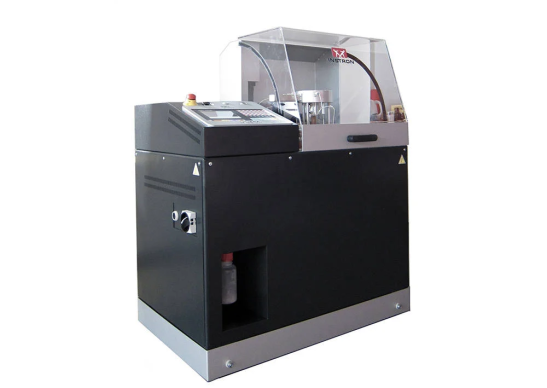
ISO 75 and ISO 306: HDT and VST Tests on High Temperature Polymers
Traditionally silicone oil has been the most popular medium for performing heat deflection temperature (HDT) and vicat softening temperature (VST) tests on polymers. The test principle and procedure are simple, and although silicone oil based test systems are very well established, they can be used safely only up to a maximum temperature of 280°C. High temperature polymers like Polyether Ether ketone (PEEK) and Polyetherimide (PEI) have an increasing demand in the polymer industry due to their higher mechanical and thermal properties. An alternative medium is required to test these high temperature polymers because they have HDTs and VSTs higher than the temperature at which silicone oil can be used. We used a CEAST HV500, which utilizes an aluminum oxide fluidized bath, to perform a range of HDT and VST tests for both high and low temperature applications according to ISO 75-1 & 2 and ISO 306 Method B,
ISO 813 Adhesion Strength of Rubber to Rigid Substrates
The ISO 813 method is used to determine adhesive strength between a vulcanized or thermoplastic rubber to a rigid substrate. The test is performed at a peel angle of 90° with a speed of 50 mm/min. The adhered rubber is pulled from the rigid substrate to measure the adhesive strength, also known as the average force divided by the specimen width. The challenges of testing to this standard are: Maintaining 90° angle throughout the test Bandwidth and data rate to capture peaks and troughs Eliminating slippage throughout the test
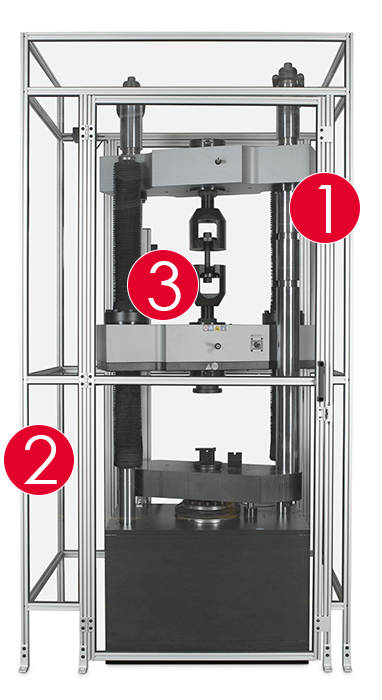
ISO 898-1 Mechanical Properties of Carbon Steel and Alloy Steel Fasteners
fastener testing equipment metal beam icon ISO 898 is a testing standard used to measure the mechanical and physical properties of steel fasteners at both ambient and non-ambient temperature. Steel fasteners are an extremely common component of many consumer goods and are also critical to the construction and aerospace industries. The standard classifies various bolts and screws as either ‘finished’ or ‘material’ and includes test methods specific to each of these classifications. ISO 898 references reputable metals standards such as ISO 6892 for performing these tests in a controlled and stringent manner.
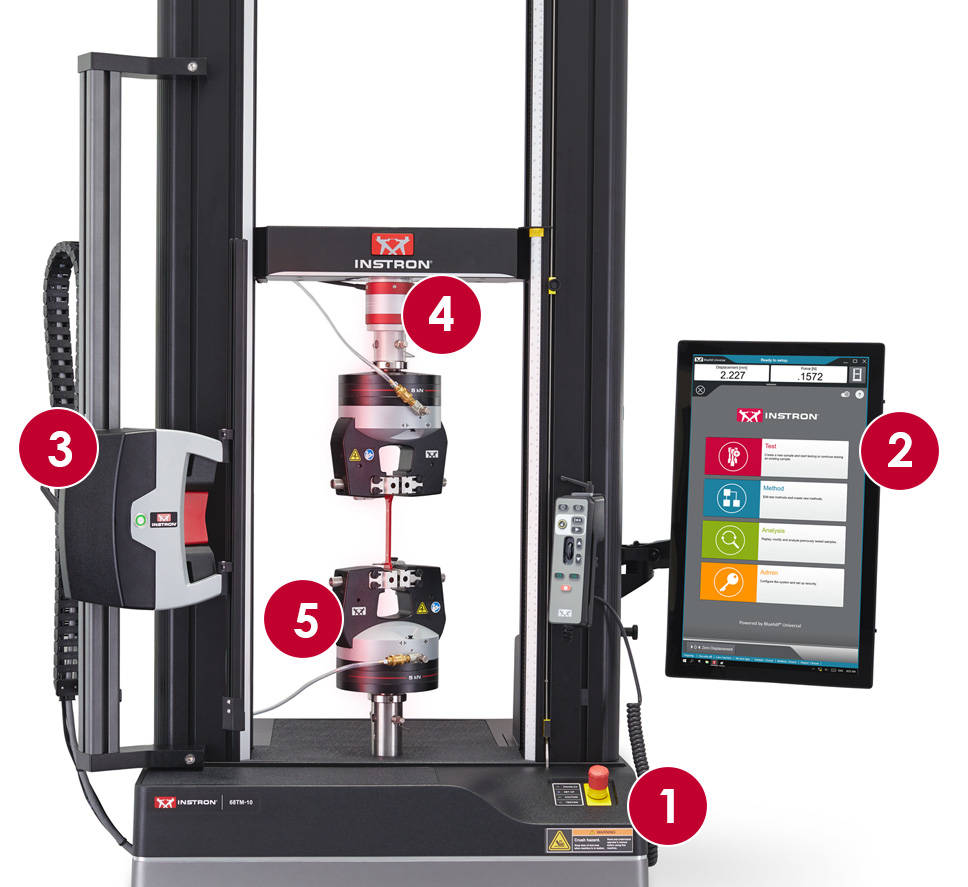
ISO 527-2: Tensile Testing for Plastics
ISO 527-2 is an international standard for determining the tensile properties of reinforced and non-reinforced plastics. While it provides similar results to ASTM D638, ISO 527-2 is not considered technically equivalent due to differences in specimen size and test requirements. While some large multinational manufacturers test to both ASTM D638 and ISO 527-2, most of our customers demonstrate a preference for one standard or the other based on their geographical location. North American manufacturers usually test to ASTM D638 while those in Europe and Asia primarily test to ISO 527-2. Customers in China test equally to ASTM D638 and to ISO 527-2. This guide is designed to introduce you to the basic elements of an ISO 527-2 plastic tensile test, but should not be considered an adequate substitute for reading the full standard.

ISO 34 Tear Strength of Rubber, Vulcanized or Thermoplastic
ISO 34-1:2010 is used to investigate the tear strength of either vulcanized or thermoplastic rubber. Tear testing of elastomers is particularly important because most elastomers that break or fail in their intended application do so because of the initiation and spread of a tear. Industries utilizing this testing include raw material manufacturers, developers of elastomer technology, and producers of consumer products, in addition to manufacturers that use rubber in a way where it risks failure by tearing, such as the automotive industry. This standard specifies three different methods for specimen shape: trouser, angle, and crescent. In all cases, force is applied to the material in a tensile direction and a value for tear strength is calculated. ISO 34-1 is intended to measure tearing strength only: anyone seeking to determine the tensile properties of elastomers should refer to ISO 37. The specimen types used in ISO 34 testing provide a range of options for geometries and stress concentrations that might lead to the initiation of a tear in a real-world application. The results from this test aren’t meant to quantify the tear strength of a material in service, but simply to understand how it behaves under the specified test conditions.
ISO 2411 Coating Adhesion Rubber-Coated & Plastics-Coated Fabrics
ISO 2411 covers the coating adhesive strength of coated fabrics. This test is referred to as a “T-peel” test, because as the two adherends are pulled apart, they form the shape of a “T”. Specimens that are 75 mm wide are pulled at a rate of 100 mm/min. Common results are the mid-point value, mean, minimum and maximum peel strength values. The challenges of testing to this standard are: Data rate used to capture peaks and troughs Gripping materials of varying thickness Eliminating slippage throughout the test
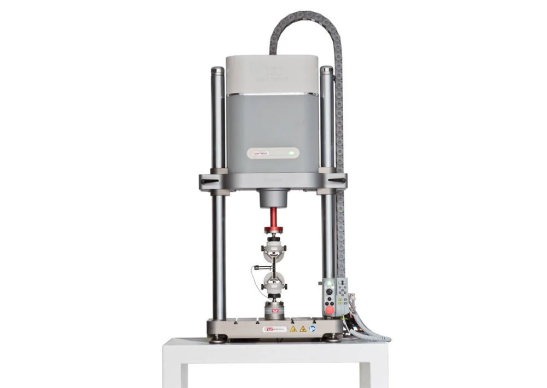
ISO 18489 Cracked Round Bar Test Method
In long term applications of thermoplastic materials such as polyethylene (PE) pipes or fittings it is important to rank and pre-select materials based on their resistance to long-term failure mechanics as a result of slow crack growth (SCG). Developments in modern raw materials has led to a significant increase in resistance of PE to crack initiation and SCG so that testing with previous methods exceeded practical time frames. ISO 18489 achieves a significant reduction in testing time at ambient temperatures more relevant to the temperature range of many applications and that do not change the structural status of the polymer. Acceleration of material testing is achieved by specimen geometry and cyclic loading regime resulting in a relatively short test time.
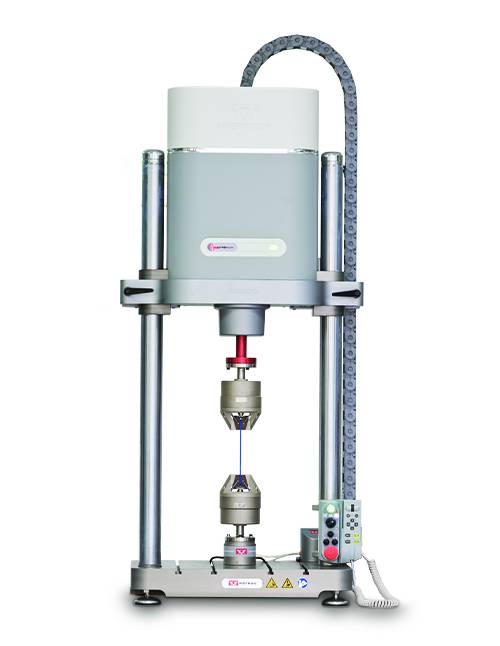
ISO 14801 Fatigue Testing of Pre-Angled Endosseous Dental Implants in a Fluid Bath
Pre-Angled dental implants are designed to help dental surgeons make the best use of the existing bone or to remove the need for bone grafting to occur, while providing a secure restorative platform. The latest revision of the ISO 14801 standard for fatigue testing specifies a method for testing of these pre-angled dental implants in a laboratory situation. The standard requires the implant to be aligned so that the angle of loading is 10° greater than between the implant axis and the axis of the angled portion of the connecting part.
ISO 17744 Determination of specific volume as a function of temperature and pressure (pvT diagram)
In the process of Injection Moulding, significant failures can occur even if mould filling has been successfully executed. This is because contraction of the plastic product upon cooling can introduce residual stresses or even failure or warping of the part. ISO 17744 helps the mould designer to mitigate against this risk and minimize failure opportunities by predicting the volume shrinkage of the melt between different conditions. The test is performed by enclosing the specimen in a high-pressure device with temperature and volume control, for example a capillary rheometer with suitable fixtures to plug the die exit. Then a variety of conditions can be applied, and a map of pressure, volume and temperature (pvT diagram) can be generated. Typically, one of these variables is held constant throughout testing.
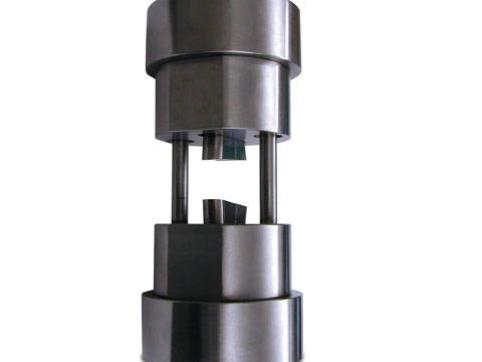
ISO 14126 In-Plane Compressive Properties of Fiber-Reinforced Plastic Composites
ISO 14126 describes the methodology for determining the in-plane compressive properties of fiber-reinforced plastic composites. The standard describes two different methods for evaluating the properties: Method 1: provides for shear loading of the specimen Method 2: provides for end loading or mixed loading of the specimen Ultimately, these two methods require two different test fixtures. The more common method of the two is Method 1, which uses a Celanese-type fixture (shown at right). Also, in both methods, the specimen gauge length is completely unsupported. For the Method 1 test, the specimen is supported in the fixture and compressed, using hardened-steel compression anvils, along its major axis at constant rate of displacement until the specimen fractures. Because of the typically high forces that are recorded during this test, we usually recommend a dual-column electromechanical testing system. Finally, accurate strain measurement is required for making measurements such as compressive modulus or compressive failure strain. Therefore, either a suitable extensometer or bonded resistance strain gauges are required for measuring axial strain throughout the test.
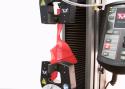
ISO 13937 Tear Properties of Fabrics - Trouser Specimens
This standard mainly applies to most woven textile fabrics, but can be applicable to fabrics produced by other techniques. The method specifies a procedure to determine the tear strength of textile fabrics using the trouser method. A rectangular specimen is cut in the center of the shorter dimension to form a trouser shape. Each leg of the trouser is inserted into the grip faces and pulled to tear the fabric. For this test, it is important to have an increased test data rate to ensure the capture a high number of data points. This is because when individual fibers within the fabric fail, the data rate must be fast enough to catch these peaks.

ISO 11897:1999 Tear Propagation on Edge Fold of Thin Film
ISO 11897 is a test method to determine tear propagation and tear resistance properties on edge fold of sacks made from thermoplastic flexible film. Specimens are cut in a trapezoidal shape with the edge fold position in the center. Then, a 25mm incision is cut along the edge fold. The specimen is pulled apart, until failure, at a constant rate of displacement. The force and displacement are recorded as the tear propagates through the entire edge fold of the specimen, and is used to calculate the resistance to tear propagation of the material.

ISO 11897:1999 Tear Propagation on Edge Fold of Thin Film
ISO 11897 is a test method to determine tear propagation and tear resistance properties on edge fold of sacks made from thermoplastic flexible film. Specimens are cut in a trapezoidal shape with the edge fold position in the center. Then, a 25mm incision is cut along the edge fold. The specimen is pulled apart, until failure, at a constant rate of displacement. The force and displacement are recorded as the tear propagates through the entire edge fold of the specimen, and is used to calculate the resistance to tear propagation of the material.
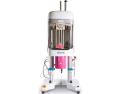
ISO 11443 – Rheology of Heat-Curing Elastomers/Silicone at Room Temperature
Heat-cured elastomers/silicone materials have a variety of different applications - ranging from automotive to biomedical - thanks to great characteristics including: flexibility and durability, chemical resistance, fatigue and compression resistance, sealing and insulating properties. Depending on the specific chemistry and compounding, the uncured material can be processed by extrusion, injection molding, or compression molding, and cured by different methods. Rheology plays an important part in characterizing these materials and reproducing the flow conditions of the industrial process.
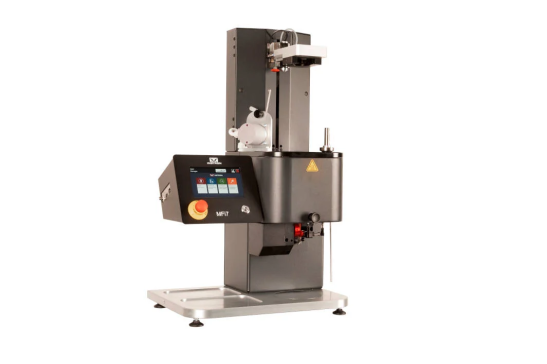
ISO 1133: How to Use a Plastic Melt Flow Index Tester to Determine the Melt Flow Rate of Polymers
According to ISO 1133 and ASTM D1238, the MFI is the weight of polymer melt flowing out from a standard die (2.095 x 8 mm) at a given temperature and with a standard weight applied to the piston. The ISO 1133 MFI is used to verify if a plastic material's grade is within the required fluidity range. This is commonly used for polyolefins (polyethylene HDPE, LDPE, LLDPE, and polypropylene PP).
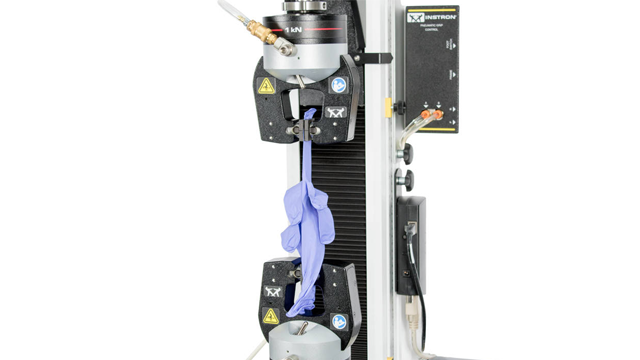
EN455-2, ISO 11193, ASTM D6319 Tensile Testing of Medical Gloves
ASTM D6319, ISO 11193, and EN 455-2 are standards used by the biomedical industry to regulate the tensile properties of medical gloves. Used primarily during the quality control process, these tests ensure that the glove material meets expected criteria for tensile strength and elongation so that the gloves do not fail during use. This is extremely important, as glove failure in medical settings could expose the care provider or patient to dangerous and potentially life-threatening contaminants. Medical gloves are manufactured from a wide variety of materials and are designed for different applications. Materials used for medical gloves generally vary from latex to nitrile, PVC, natural rubber, or polychloroprene, with the requirements for surgical gloves being more stringent than those designed for patient examination. Though there are three standards commonly used to evaluate their tensile properties, their differences are minor, and all require the same basic test setup and procedure. This guide will provide a general overview of the testing process, but should not be considered a substitute for reading the full published standards.
Plastic Strain Ratio (r-value) According ISO 10113, ASTM E517, and JIS Z 2254
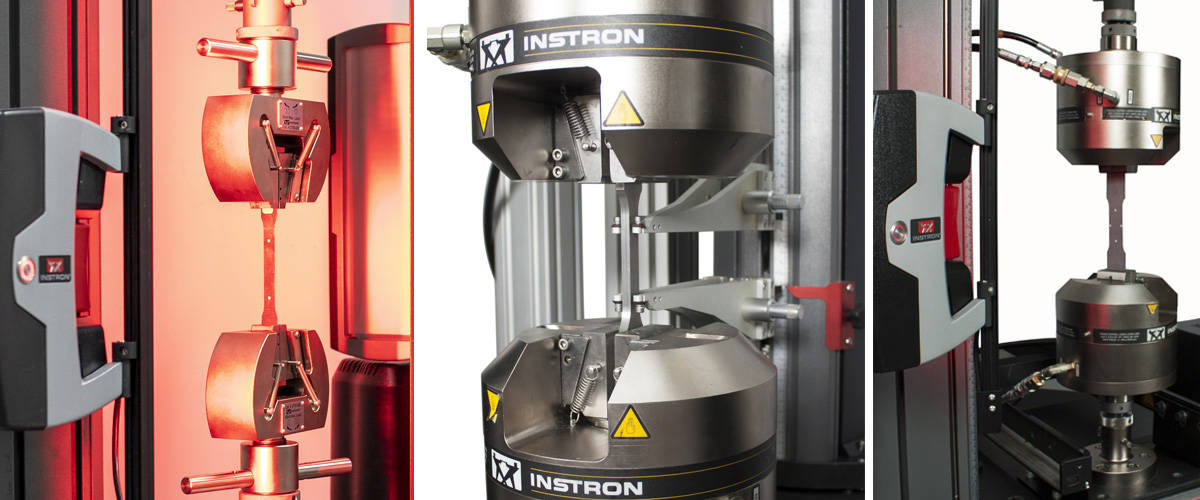
To calculate the r-value, a test is performed to ISO 6892 and requires the use of axial and transverse extensometers. Where the behavior of true plastic width strain versus true plastic length strain is homogeneous, a single point calculation can be used. For material that exhibits inhomogeneous deformation, a regression method is recommended, and ISO 10113:2020 strongly recommends measuring transverse strain at multiple locations evenly distributed along the axial gauge length, to be averaged into one value. The AverEdge32™ feature of Instron's AVE2 non-contacting video extensometer can provide this capability, and these calculations can be done automatically in real time using the Bluehill® Universal materials testing software. An ISO 10113, ASTM E517, or JIS Z 2254 test is typically performed at the same time as ISO 10275, ASTM E646, or JIS Z 2253, the tensile strain hardening exponent (n-value). Sheet metal testing applications require calculations such as yield strength, yield point elongation, ultimate tensile strength, r-value and n-value. These calculations place a high physical demand on traditional contacting extensometers for measuring axial and transverse strain. They need to allow for enough travel to test the specimens through break, but small gauge lengths make it more challenging to ensure high accuracy of the measurements. Additionally, relevant ASTM and ISO testing standards have accuracy requirements that must be achieved. Historically, video extensometry is not frequently used in these applications, as most customers in the metals industry prefer traditional contacting extensometers and trust the reliability of the results. Significant advances in the technology of video extensometry offer metals testing customers other options. Not only do video extensometers like the AVE2 allow for simultaneous collection of axial and transverse strain data and reduce the maintenance required for wear and tear on knife-edges, they have also been shown to increase productivity and simplify testing. In addition, the AverEdge32™ feature has shown substantial improvement in reducing transverse strain measurement variability.
ISO/TS 11405 Tensile Adhesion and Bond Strength of Dental Materials and Adhesives
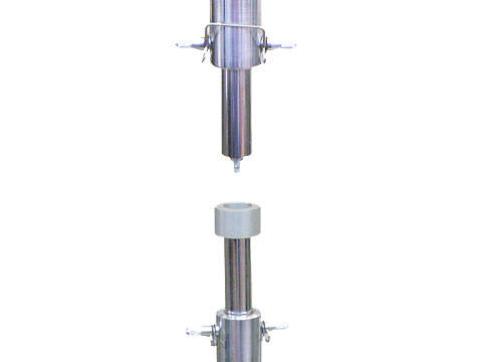
Tensile adhesion and bond strength are important parameters in determining the performance of bonding materials in restorative dentistry. Although these particular types of test do not predict clinical behavior, they help scientists and researchers understand materials in a controlled laboratory environment. ISO/TS 11405 'Dental materials - Testing of adhesion to tooth structure' helps to establish laboratory guidelines to evaluating both tensile and shear bond strength. For a successful mechanical test of tensile bond strength, specimen alignment is critical during mounting of the specimen and as the test progresses.
ISO 8295 Coefficient of Friction Plastic Film and Sheeting
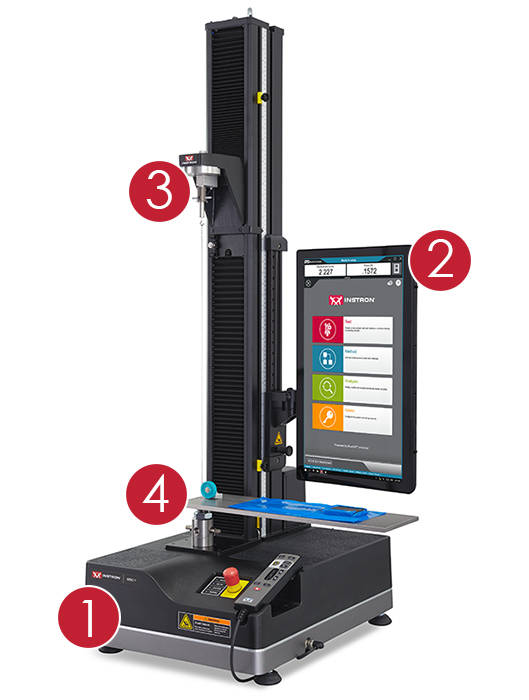
ISO 8295 is a standardized test method used for determining static (μ_s ) and kinetic (μ_k ) coefficients of friction of plastic film and sheeting. Plastic film is a widely used material in the packaging industry. Within the packaging industry the use of film can be separated into two categories: food packaging such as produce bags, carton liners, or meat seal wrap, and non-food packaging such as envelope liners or potting soil sacks. Outside of the packaging industry, plastic films are used for an assortment of products: trash bags, can liners, I.V. bags, construction liners, and other barriers. Thin films are also an important component of electric vehicle batteries, which is an industry predicted to experience explosive growth over the course of the next decade. The frictional properties of these films must be characterized and controlled to ensure the safety and functionality of the end product.

ISO 80369 Small-Bore Connectors for Liquids and Gases in Healthcare Applications
ISO 80369 is an international standard that specifies the testing requirements for small-bore connectors used in medical devices. Its primary goal is to prevent misconnections and ensure patient safety. The standard specifies mechanical tests that verify the safety and reliability of the connector under clinical conditions. These tests include: Axial pull-out force Leakage resistance Stress cracking Dimensional verification For manufacturers and contract test labs, understanding these protocols is essential for compliance and product integrity across connector types, including Enteral Respiratory Limb cuff inflation Neural Intravascular or hypodermic Standard at a Glance Materials Biomedical Test Types Tension Standard ISO 80369 Overview of Luer Connectors Luer connectors are small-bore connectors that are universally used across medical applications to ensure compatibility between components like syringes and catheters. They enable reliable connections regardless of the manufacturer, supporting critical functions such as medication delivery and bodily fluid withdrawal.
ISO 6892-2: Tensile Testing of Metallic Materials at Elevated Temperatures
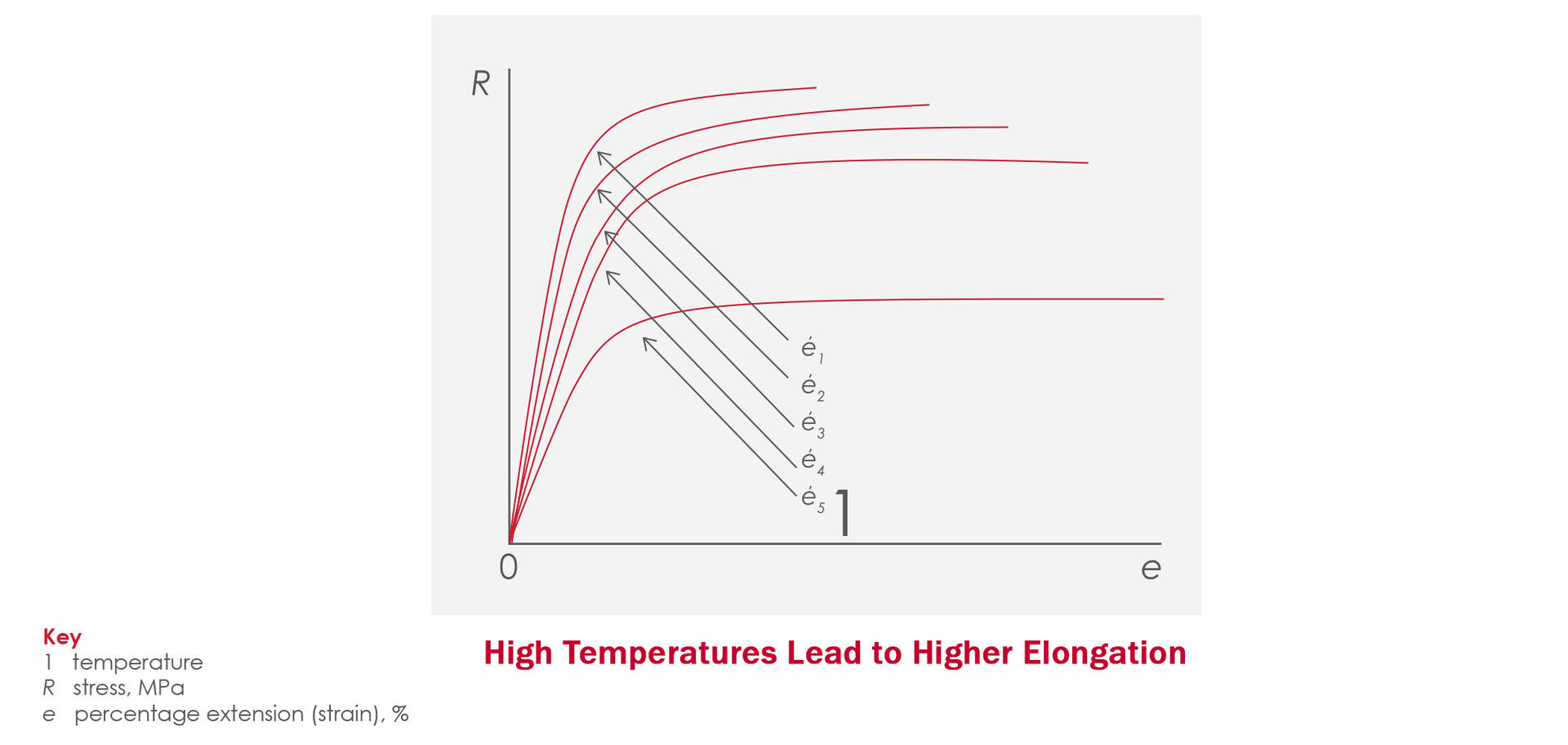
ISO 6892-2 is one of the most commonly used testing standards for the tensile testing of metallic materials at elevated temperatures (above 35°C). ISO 6892-2:2018 is the current version of the metals testing standard. It was first published in 2011, when it canceled and replaced the previous standard governing elevated temperature testing — ISO 783:1999. Elevated temperature testing is most commonly used in the aerospace industry, where metallic materials in aircraft engines and structures must exhibit high strength while running at high temperatures. This form of testing has become increasingly important in aerospace metals, as higher engine service temperatures are desired for improved efficiency. Similarly, ISO 6892-2 is relevant to important applications in power generation, automotive components, and petrochemical equipment. Wherever metal fasteners, hardware, or structural components are expected to carry loads in hot environments, ISO 6892-2 enables a standardized determination and qualification of their important tensile properties.
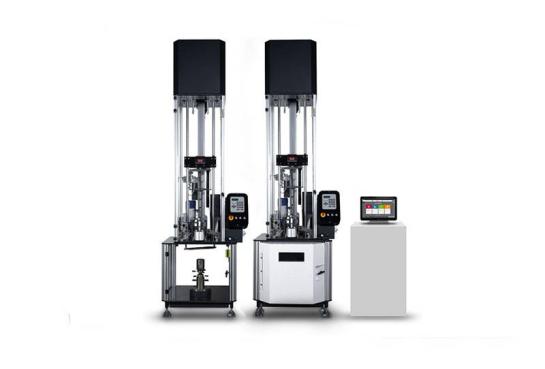
ISO 6603-2 Impact Resistance of Composite Materials – Nautical Applications
Resins, and composites with a resin matrix, provide materials that are strong, lightweight, corrosion-resistant and dimensionally stable. These materials also provide good design flexibility, a high dielectric strength, and usually require lower tooling costs. Their tremendous strength-to-weight and design flexibility make them ideal in nautical applications. They are widely used in the building of recreational boat hulls and products destined to permanent water contact such as competition boats, surf-boards etc. Manufacturers of these products require materials that have a high degree of resistance to impact.
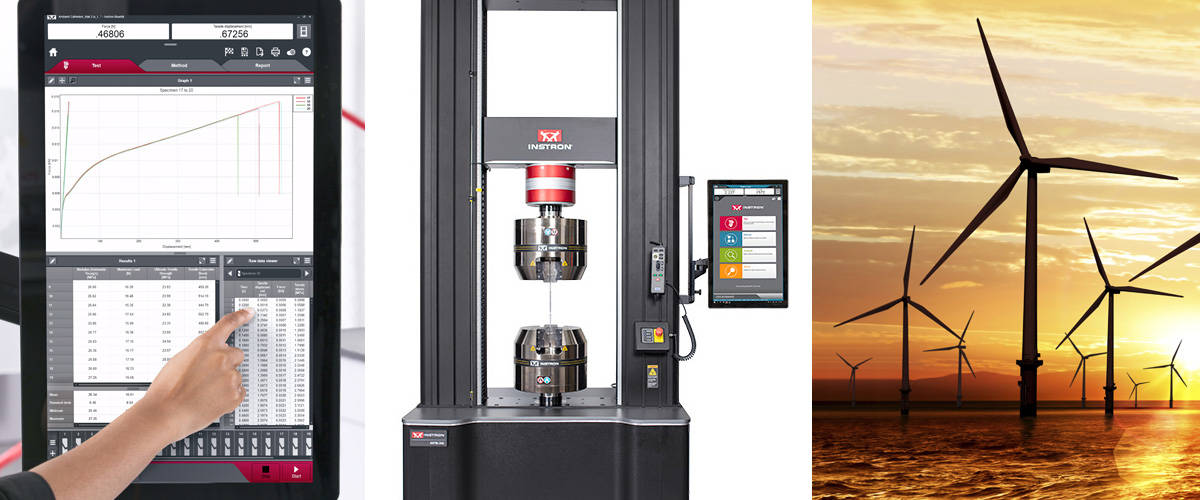
ISO 527-4 Tensile Properties of Isotropic and Orthotropic Fiber-Reinforced Plastic Composites
ISO 527-4 is an international testing standard for determining the tensile properties of fiber-reinforced plastic composites. ISO 527-4 covers test conditions for isotropic and orthotropic non-unidirectional composites and refers to ISO 527-1. This guide is designed to introduce you to the basic elements of an ISO 527-4 tensile test, including an overview of the equipment, software, and samples needed. However, anyone planning to conduct testing to ISO 527-4 should not consider this guide an adequate substitute for reading the full standard.

How to Perform a Tensile Test to ISO 37
ISO 37 is used across a wide range of industries to measure the tensile stress-strain properties of vulcanized and thermoplastic rubbers. It is similar but not equivalent to ASTM D412, and most companies will test to one standard or the other depending on where in the world they are located. ISO 37 is commonly used by companies engaged in raw material manufacturing, development of elastomer technology, and manufacturing of rubber-based consumer products and medical supplies, such as rubber gloves. ISO 37 is also a very common standard used by the energy and automotive sectors, particularly tire manufacturers. This guide is designed to introduce you to the basic elements of an ISO 37 tensile test, including an overview of the equipment, software, and samples needed. However, anyone planning to conduct ISO 37 testing should not consider this guide an adequate substitute for reading the full standard.
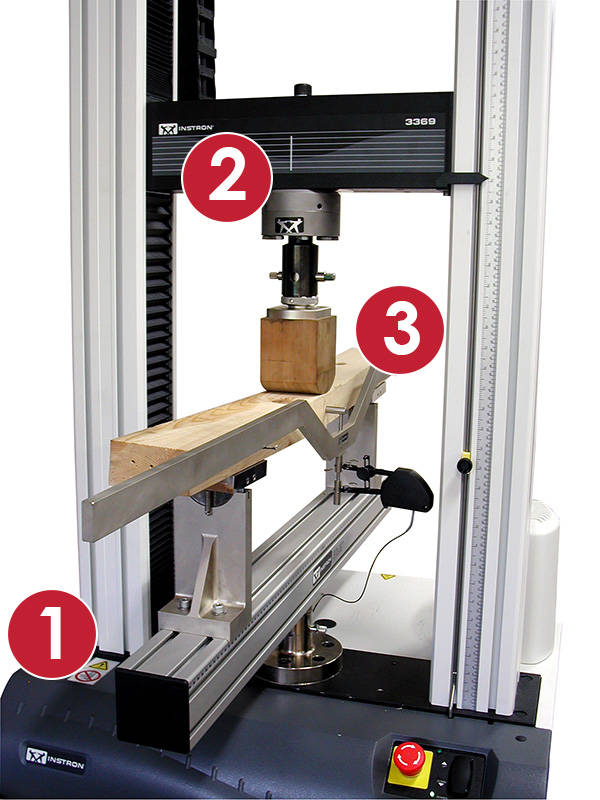
ISO 3133, ISO 3349, & ASTM D143 Flexural Properties of Wood
ISO 3133, ISO 3349, and ASTM D143 are all testing standards that determine the flexural material properties of wood beams. A flex test subjects wood to compressive, tensile and shear loading, which replicates the most realistic end uses of the material. ISO 3133, ISO 3349 and EN 310 are specific to static bending, but ASTM D143 includes various other wood test types such as compression, impact, tension, hardness, nail removal testing, and others. The above listed standards are the most commonly used wood flex tests, but many other wood testing standards exist in various organizational bodies including ASTM, ISO, EN, BS, JAS, and JIS. Wood is widely used as an engineering material in the construction and furniture industries. Before using a wooden beam as a building material, contractors and manufacturers need to know that the beam will hold up appropriately when subjected to the forces and environmental conditions of its end use. Bend testing is an accepted way to compare different types of wood, which is often required when choosing the appropriate material.
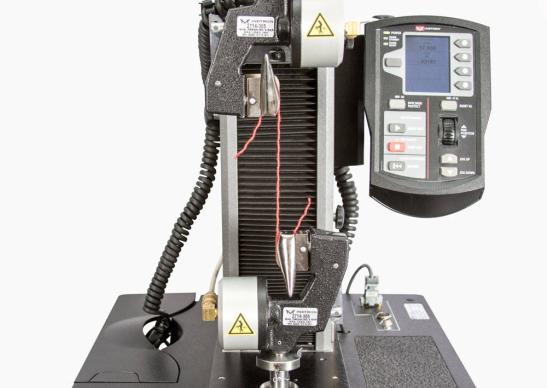
ISO 2062 Breaking Force and Elongation of Yarns
ISO 2062 is used to test textile yarns and twine to determine the breaking force and elongation at break. The testing of yarn is an essential step between raw material and finished fabrics, and aides in controlling the quality of the end product. The test specimen is clamped on either end in stationary jaws and is pulled until failure at a constant rate of displacement. For this particular test, it is important to have a high data capture rate, as some specimens will fail within a few seconds. High data capture rates will allow data to be captured in this short time.
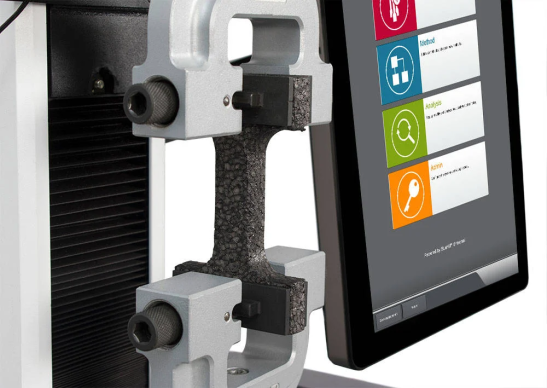
ISO 1798 Tensile Strength Flexible Cellular Polymeric Materials
The ISO 1798 method determines the tensile and deformation properties of flexible cellular materials when extended at a constant rate of displacement until failure. These properties include tensile strength and elongation at break. The challenges: Specimen gripping Repeatable strain measurements Reporting test results in compliance with the standard
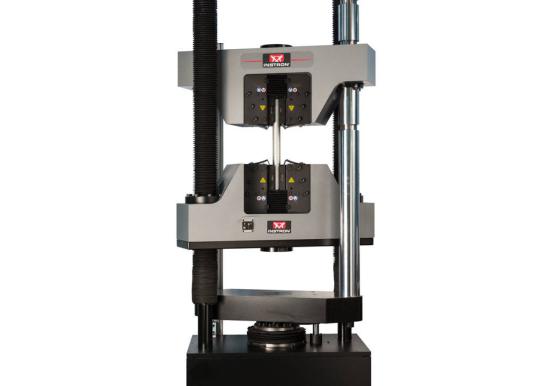
ASTM A370 ISO 6892-1 API5L & ISO 3183 Tensile Testing of Pipe and Tube
Major investment to safely harvest and refine our natural resources throughout the world has caused the marketplace to focus more broadly on the quality of steel pipe for oil casing and pipeline transportation systems. ISO 6892-1, ASTM A370, API5L, and ISO 3183 specifications contain tensile testing procedures which can present a variety of challenges based on the shape of the pipe, the wall thickness, and the radius. The challenges of tension testing of pipe and tube to these standards: Gripping full section pipe/tube Obtaining suitable strain measurements

ASTM Standards » Gripping Solutions for Tensile Testing to ASTM E8, A370, A48, and GOST 1497-1 Gripping Solutions for Tensile Testing to ASTM E8, A370, A48, and GOST 1497-1
Advancements in metals properties to improve performance characteristics have introduced materials to market that are stronger, tougher and many times more costly to produce. Tensile testing of these products can present a variety of gripping challenges. Use of a traditional grip arrangement consisting of a grip jaw or grip face will wear quickly and allow slippage. In addition, high production cost can mean limited material and shortened test samples. These are common challenges QC labs face and often lead to the need for machined, shoulder-end test specimens. Shoulder-end, or button-head test samples are outlined in ASTM E8, A370, A48, GOST 1497-1, as well as other general tensile test standards of metal products.
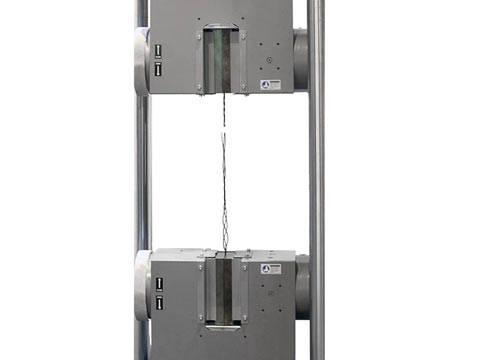
ASTM A370, A416, ISO 15630 Tensile Testing of Multi-Wire Strand for Prestressed Concrete
In order to test 7-wire strand according to ASTM A370, A416, or ISO 156303, we decided to use an Industrial Series Model 600KPX. Since most wire strand applications require specimen lengths of 500 mm and greater, this frame was chosen primarily because of its convenient, large test space and long stroke actuator. This made it easy for the operator to install and remove specimens without a need for a ladder or pit mounting the machine. We used a set of side-acting, hydraulic grips with wire strand inserts. The side-acting design helps eliminate problems associated with traditional wedge grips that include grip failures, time-consuming grip changes and inaccuracy of total elongation measurements. Clamping forces up to 900 kN (202,300 lbf) were available for positive gripping the wire strand specimen. The wire strand insert arrangement allows for quick changeovers between different specimen diameters.
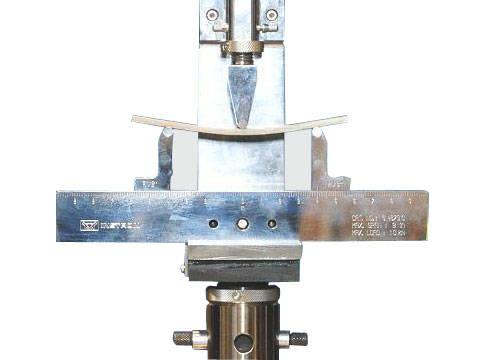
ISO 14130 Determination of Apparent Interlaminar Shear Strength by Short-Beam Method
The ISO 14130 test method covers the determination of the apparent interlaminar shear strength (ILSS) of fiber-reinforced plastic composites by the short-beam method. The method is suitable for composites with either a thermoset or thermoplastic matrix. The data obtained is not suitable for determining the design parameters, but it can be used for screening materials or for quality control. So with the various test samples there will also be variation on the failure mode, which is dependent on the fiber lay-up procedures used during manufacturing.
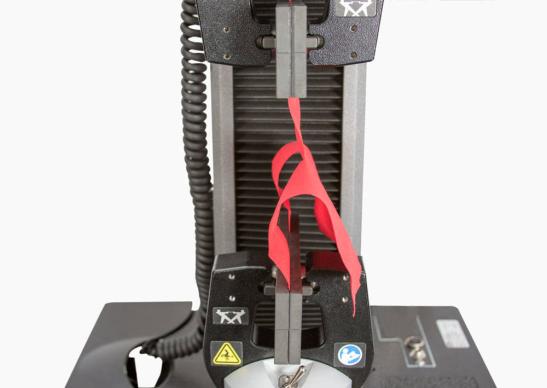
ISO 13937-4 Tear Properties of Fabrics for Tongue Shaped Specimens
The ISO 13937-4 standard mainly applies to most woven textile fabrics, but can be applicable to fabrics produced by other techniques. Part 4 of this standard specifies a procedure to determine the tear strength (tear force) of tongue shaped textile fabric specimens using the double tear test method. A rectangular specimen is cut in multiple places to form a tongue, which is used to propagate two tears and determine the tear strength or tear properties. For this test, it is important to have an increased test data rate to ensure the capture a high number of data points. This is because when individual fibers within the fabric fail, the data rate must be fast enough to catch these peaks.
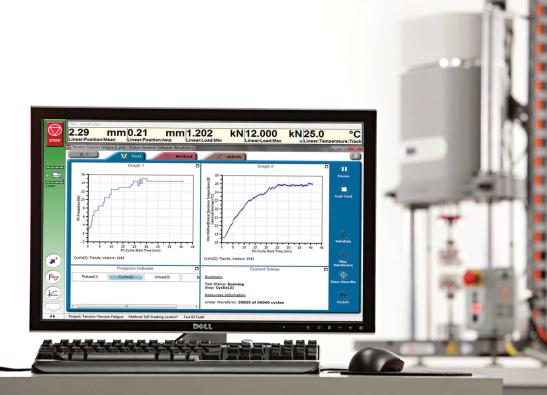
ISO 13001 and ASTM D3479 Improving Throughput in Composites Fatigue Tests
In recent years, composites fatigue testing has rapidly moved from a research interest to a critical commercial requirement, but the cost - in terms of machine time - remains a significant challenge to commercial testing The wind energy industry has led this demand, but aerospace and automotive sectors are defining their own needs in this area and fatigue performance is expected to become an additional qualification requirement for their composite materials and assemblies.
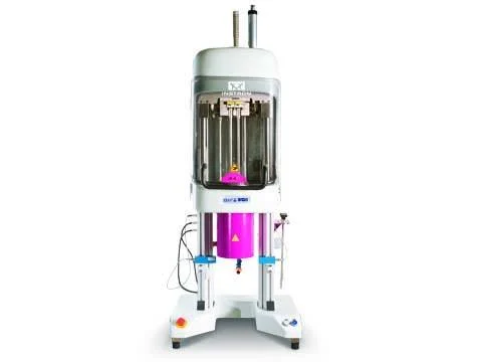
ISO 11443, ASTM D3835 Determination of Properties of Polymeric Materials with a Capillary Rheometer
ISO 11443 and ASTM D3835 are two analogous standards, laying out procedures to analyze the flow properties of polymer melts up to high shear levels. This is used primarily for process design in injection molding and extrusion, where the process designer needs to know how to best design the mould, set temperatures, adjust speed and pressure based on how the polymer melt will flow. The test is performed by means of a capillary rheometer, imposing a series of pre-determined shear rates on the hot fluid by extruding it through a capillary die. The pressure of the fluid as it hits the die is recorded; the resulting data can then be analyzed in order to determine the flow properties. The testing temperature applied can be altered in order to determine the best processing temperature, but for practicality reasons, care should be taken when applying temperatures much higher or lower than the specified melting point.
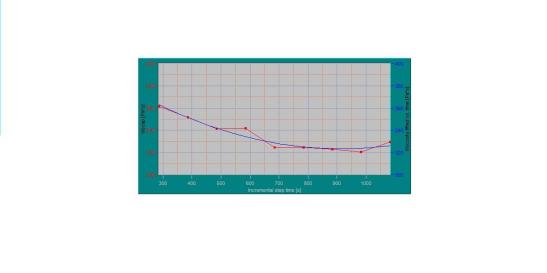
ISO 11443 and ASTM D3835 tests to study Polymer Degradation
Thermal degradation of polymers corresponds to deterioration at a molecular level, for example as a result of (over-)heating. Polymer degradation is normally undesirable since related to the loss of properties in the finished product. Some of the recently developed thermoplastics, used as neat or reinforced high-performance materials, are suitable for high-temperature applications, but they are also exposed to high temperatures during compounding and molding processes. Therefore, they're highly sensitive to processing conditions and may undergo thermal degradation before becoming the finished product. This applies for example to LCP (liquid-crystal polymers). One of the key parameters when processing this type of materials is their degradation time and temperature.

ISO 11339 T-Peel Test Flexible to Flexible Bonded Assemblies
ISO 11339 measures the comparative peel properties of adhesive bonds between flexible adherends by using a T-peel test. The test is referred to as a “T-peel” due to the shape the two flexible adherends form as they are pulled apart. Average peel strength for each specimen type and average, minimum, and maximum peeling loads for each individual specimen are the primary results of interest. Manufacturers use this standard for quality control in a wide range of industries as it is primarily intended for determining relative peel resistance between individual specimens or different types of adhesives. Direct comparison of different adhesives can only be made when specimen construction and test conditions are identical.

Syringe Testing to ISO 11040
Testing to this single standard can require up to 12 unique test procedures, each needing different fixturing and system parameters. Maximizing test efficiency while ensuring operator safety can be a significant challenge. Instron recommends using our 68SC1 test frame with Bluehill Universal software along with fixturing appropriate to your specific needs. Some customers only test to specific methods and can make use of generic syringe fixturing, but for customers testing to multiple ISO 11040 methods, we recommend using a modular fixture to reduce setup time between procedures. Because of the dangers associated with breaking glass, we also highly recommend using integrated protective shields. Devise closure evaluation often requires biaxial testing capabilities to determine torques associated with screwing and unscrewing closure systems. In these cases we recommend that the 68SC1 system be augmented by Torsion Add-On 3.0, which enables a standard axial universal testing machine to perform biaxial testing.

The Definitive Guide to ISO 178
Due to their low cost, light weight, resistance to corrosion, and general versatility, plastics have established a significant presence in many different industries. It is important to determine the material properties of plastics in order to characterize their expected behavior in real-world applications. One important property is the relationship between stress and strain while a plastic sample is being bent or flexed: in other words, the flexural properties of the material. To regulate an internationally standardized method for determining this property, the International Organization for Standardization (ISO) developed ISO 178. This guide is designed to introduce you to the basic elements of an ISO 178 flexure test and will provide an overview of the testing equipment, specimens, and results involved in the standard. However, anyone planning to conduct testing compliant with ISO 178 should not consider this guide an adequate substitute for reading the full standard.
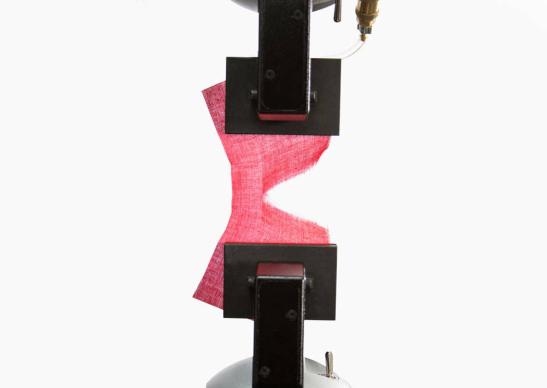
ISO 9073-4 Tear Resistance Nonwovens
This standard specifies a procedure to determine the tear force of nonwoven textile fabrics using the trapezoid method. A rectangular specimen is marked and prepared so that it can be loaded in the grip faces at an angle, allowing a tear to propagate across the specimen. For this test, it is important to have an increased test data rate to ensure the capture a high number of data points. This is because when individual fibers within the fabric fail, the data rate must be fast enough to catch these peaks.
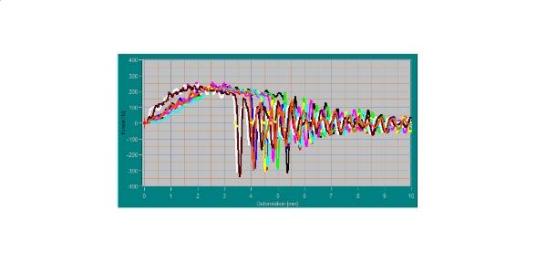
ISO 8256 Tensile Impact Tests on Playing Cards (PVC)
Everyone can play cards, but only professional players know the difference between common cards and high-quality ones. Professional poker cards do not spoil easily and do not show signs of wear after being used a few times. They are strong, flexible, and easy to handle, making it easier to distribute to the players at the table. Playing cards are made of heavy paper, thin cardboard, plastic-coated paper, or thin plastic. Professional cards are usually made of plastic that guarantees their performances. We carried out tensile impact tests on cards made of PVC to evaluate their strength and consistency as seen through an advanced and severe testing method designed for thin plastic samples. A tensile impact test foresees the same geometry as a basic tensile strength test, but here the stress is applied impulsively by means of a swinging pendulum.
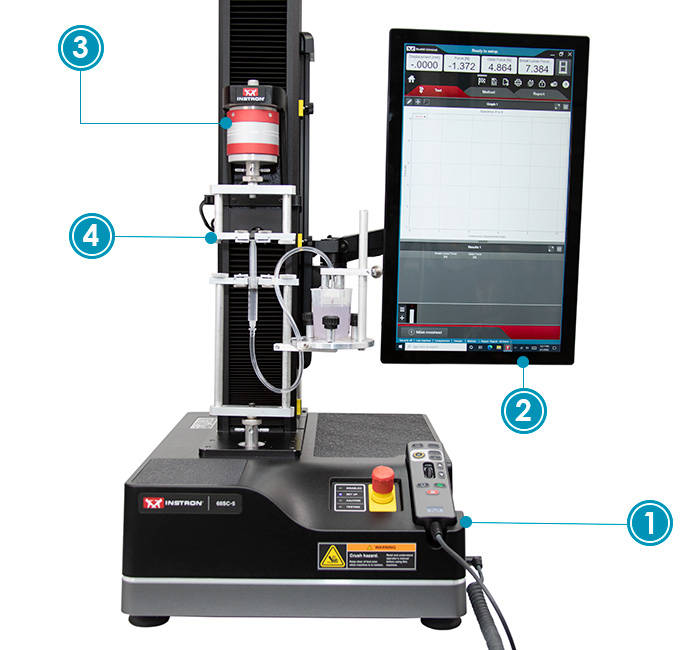
ISO 7886-1 Testing Sterile Hypodermic Syringes
The ISO 7886-1 standard regulates the mechanical properties of hypodermic syringes and outlines the specifications for single use hypodermic syringes. It also includes information related to the design, manufacture, and functionality of the devices, while the annexes of the standard describe the standard operating procedure for testing these devices. Whereas ISO 7886-1:1993 discusses mechanical testing in annex G, the newer version of the standard, ISO 7886-1:2017 discusses it in annexes D and E. Annex D measures the quality of the plunger stopper seal by simultaneously applying a perpendicular force to the syringe barrel and maintaining a constant compressive force on the syringe piston. A visual check is performed to ensure that no liquid escapes past the plunger stopper seal. This annex is less commonly tested than Annex E, which measures the forces needed to operate the syringe plunger with water in the barrel. The force profile typically displays an initial peak force known as the break loose force, and an average force of the remaining plunger travel, known as the glide force. This test also requires the recording of maximum force during plunger travel excluding the break loose force.
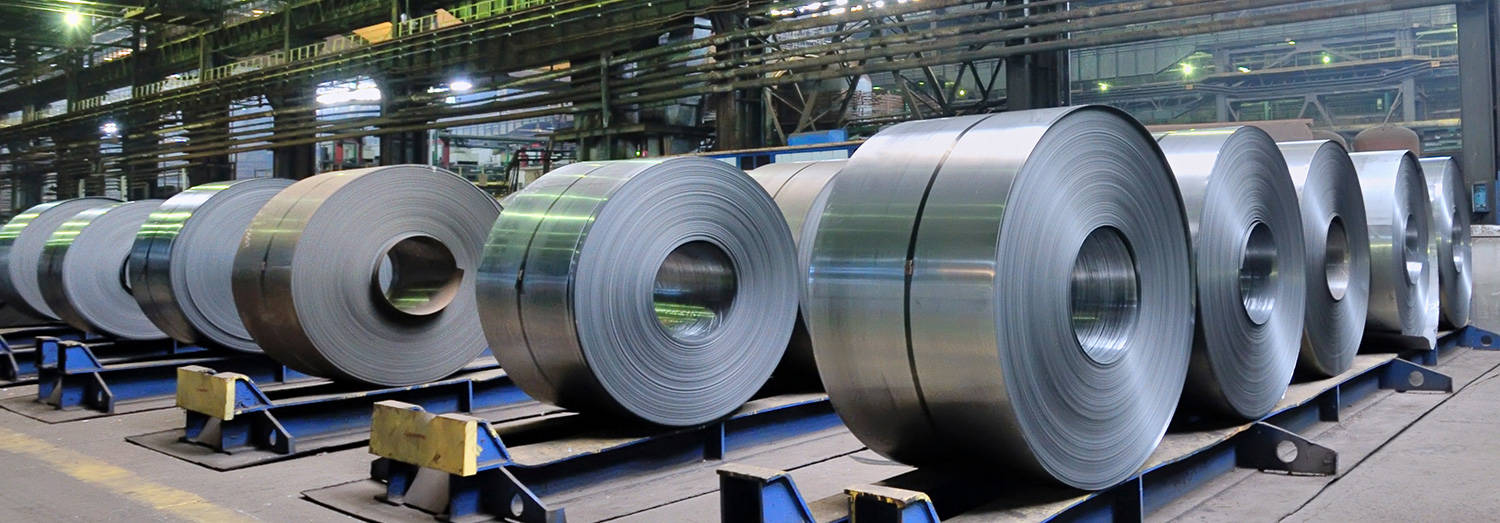
ISO 6892 Tensile Testing of Metallic Materials
SO 6892-1 is one of the most commonly adopted testing standards for the tensile testing of metallic materials at ambient temperature. ISO 6892-1:2016 is the current version of a metals testing standard that has undergone several iterations. Instron actively participates on the committee, which allows us to ensure that our products are compliant with the standard and that our team is educated about upcoming changes. The third edition, released in 2019, is the most recent version of this standard and cancels and replaces the second edition (ISO 6892-1:2016). Only minor changes and corrections have been introduced into the latest version. These updates are enumerated in the forward of the latest standard. The second edition introduced a much more significant revision in the description of three different test methods: Method A1, Method A2, and Method B. ISO 6892-1 is similar but not equivalent to ASTM E8/E8M. This guide is designed to introduce you to the basic elements of an ISO 6892-1 tensile test and will provide an overview of the materials testing equipment, software, and tensile specimens needed. However, anyone planning to conduct testing should not consider this guide an adequate substitute for reading the full standard.
ISO 6603 – ASTM D3763: Quick impact at low temperature
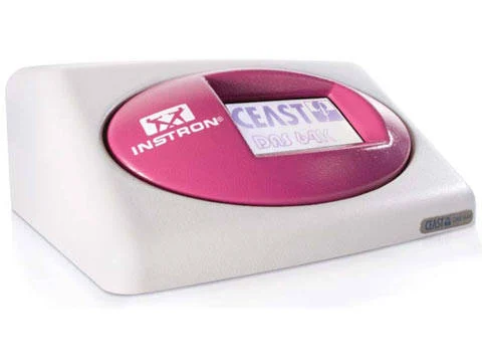
Plastics are used in many products and applications so it’s important to understand how a material’s behavior is affected by the various conditions it is subjected to during use. Understanding how these conditions change the material’s impact properties requires testing it at different temperature and energy combinations. Commonly, plastics are tested at low temperatures by conditioning the specimen immediately before the impact. A standard solution for conditioning is a thermostatic chamber that uses liquid nitrogen to cool the specimen to the required temperature.
ISO 527-3 Tensile Properties of Films and Sheets
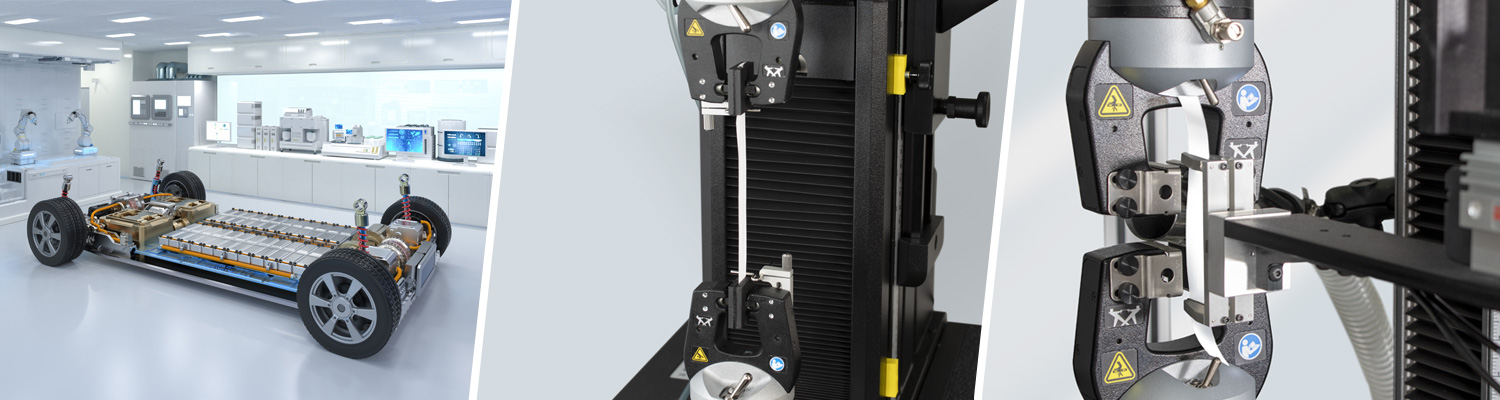
ISO 527-3 is an international standard used to determine the tensile properties of plastic film or sheeting. Plastic films are used extensively in the packaging industry and as components of more complex products, such as electric vehicle batteries. Material properties reported for this standard are tensile strength, yield point, and strain. Film or sheeting is defined to be a plastic test specimen with a thickness less than 1 mm. Plastics with a thickness greater than 1 mm should be tested per ISO 527-2. The equivalent ASTM standard to ISO 527-3 is ASTM D882.
ISO 36 Adhesion to Textile Fabrics
ISO 36 determines the strength required to separate two plies of fabric bonded together with rubber, or a rubber and a fabric ply bonded together. This test is referred to as a “T-peel” test, because as the two adherends are pulled apart, they form the shape of a “T”. Specimens for ISO 36 are 25 mm wide and are pulled apart at 50 mm/min for a minimum separation of 100 mm. Common results are the average, minimum and maximum peel force and peel strength values. The challenges of testing to this standard are: Data rate used to capture peaks and troughs Gripping materials of varying thickness Eliminating slippage throughout the test
ISO 306 Determination of Vicat Softening Temperature (VST)
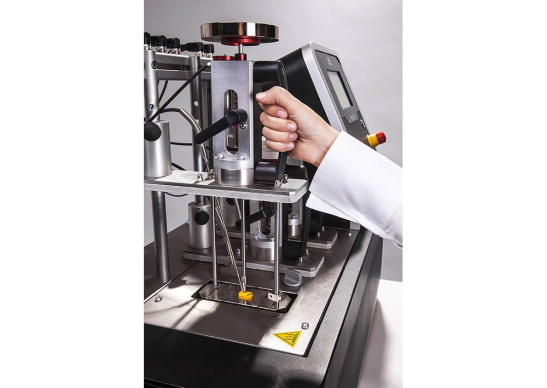
Vicat softening temperature of plastics: definition The Vicat Softening Temperature (VST) test, specified by the ISO 306 standard, measures polymers’ ability to retain their mechanical (in this case surface) properties at high temperatures. Also known as Vicat Needle test, the VST is becoming increasingly important as plastics continue to replace more traditional materials in all manner of applications.
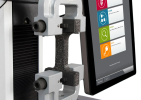
ISO 1926 Rigid Cellular Plastics Tensile Properties
ISO 1926 method determines the tensile and deformation properties of rigid cellular materials when extended at a constant rate of displacement until failure. These properties include tensile strength and elongation at break. The challenges: Specimen gripping Repeatable strain measurements Reporting test results in compliance with the standard
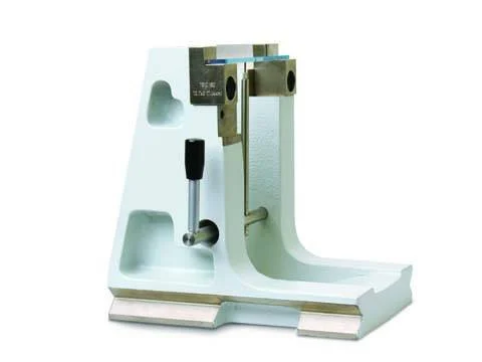
ISO 179-2 Determination of Charpy Impact Properties - Instrumented
ISO 179-2 defines the method used to determine the resistance of plastic to breaking when impacted in a three point bend configuration, using a pendulum system with an appropriately sized, instrumented hammer arm. This test is used to characterize the materials behaviour under impact conditions. To this end, the instrumented hammer and Data Acquisition System collect relevant data in order to plot the force-deflection or force-time curve for the duration of the test. Different test parameters are specified according to the type of material that the specimen is made of as well as the type of notch cut in it. While similar to ASTM D6110 (Charpy Impact Resistance of Notched Plastic Specimens), the defined tests are significantly different and are not interchangeable.
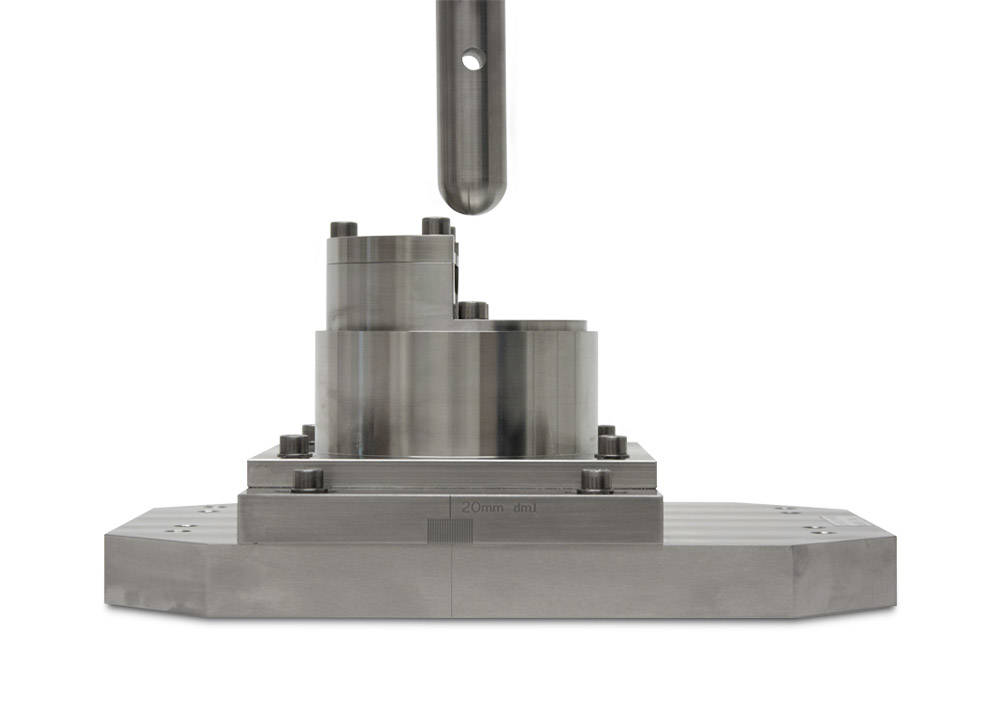
A Guide to Cyclic Fatigue Testing of Tibial Tray Components in accordance with ASTM F1800 and ISO 14879
Fatigue fracture of knee tibial trays has been one of the most commonly reported failure mechanisms of Total Knee Replacements (TKR). It is caused by loss of underlying bone support resulting from biological reactions, such as wear-induced osteolysis. Under these conditions, the tibial tray becomes mechanically unstable, and cyclic loading imparted by normal walking causes fatigue cracks, ultimately leading to catastrophic failure. The ISO 14879-1 standard 'Determination of Endurance Properties of Knee Tibial Trays' and ASTM F1800 ‘Standard Practice for Cyclic Fatigue Testing of Metal Tibial Tray Components of Total Knee Joint Replacements’ both provide a common set of test parameters for determining and validating the fatigue properties of different tibial tray designs. ElectroPuls® All-Electric Dynamic Test Instruments will assist designers, manufacturers and researchers through the product life-cycle process, from deriving fundamental material properties, such as resistance to fatigue crack propagation, to testing the entire tibial tray and beyond.
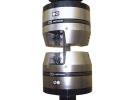
ISO 14129 In-Plane Shear Stress/Shear Strain Response
ISO 14129 specifies a procedure for determining the in-plane shear stress/shear strain response, including the in-plane shear modulus and shear strength of fiber-reinforced plastic composites by the ± 45° tension test method. The method is suitable for use with thermoset and thermoplastic matrix laminates made from uni-directional layers and/or fabrics including uni-directional fabrics, with the fibres, oriented at ± 45° to the specimen axis, where the lay-up is symmetrical and balanced about the specimen mid-plane. Typically the specimens require to be strain-gauged to measure parallel and perpendicular and we would use our Expansion Channel Module for strain conditioning and output.

ISO 13937 Tear Properties of Fabrics - Wing Specimens
This standard mainly applies to most woven textile fabrics, but can be applicable to fabrics produced by other techniques. The method specifies a procedure to determine the tear strength of textile fabrics using the wing method. A rectangular specimen is cut on the shorter dimension to form “wings”, then cut again in the center of the shorter dimension to form a wing shape. Each wing is inserted into the grip faces and pulled to tear the fabric. For this test, it is important to have an increased test data rate to ensure the capture a high number of data points. This is because when individual fibers within the fabric fail, the data rate must be fast enough to catch these peaks.

TMF Testing to ISO 12111 & ASTM E2368
TMF testing machines help characterize material properties under cyclic mechanical and thermal loading, which contributes to the material selection process for different applications where components are exposed to combined thermal and mechanical loading profiles, including the hot section components in gas turbine generators and jet engines. It also allows engineers to better predict the life cycle of components under these conditions and confirm that computer simulation models correctly predict material behavior under TMF. TMF applications and research areas include: Characterization of materials under combined thermal and mechanical loading cycles Effects of different loading phases on materials TMF crack initiation in superalloys for gas turbines generators TMF life prediction of hot section components in jet engines TMF Detail Why choose Instron? Instron Thermomechanical Fatigue (TMF) testing systems provide a fully integrated, turnkey solution for analysis of combined thermal and mechanical loading cycles on high-performance materials. The furnace controller has been updated recently to provide a more intuitive experience, better performance, and more accurate temperature control. Expert integration of proven products has resulted in a complete, user-friendly system perfect for simulating these conditions and measuring material performance.
ISO 11443 – Rheology of low viscosity fluid for spray application
Rheology analyzes the flow properties of fluids and is key to understand their behavior under industrial processing conditions. Low viscosity fluids are usually tested with rotational rheometers, but this is not enough when high-shear processing conditions need to be simulated. So depending on the application, this kind of fluids (such as paints, glues, adhesives, etc…) should preferably be tested by means of a capillary rheometer. We were asked to test glue and paint samples consisting of water based polymer dispersion, in order to investigate suitability of a spraying process (very high shear). We used a capillary rheometer Instron CEAST SR20, managed through the dedicated VisualRheo software. The machine (15 mm barrel diameter) was equipped with a 20-kN load cell. Two low-range pressure transducers were used (3.5 and 20 MPa) to cover the whole testing range
ASTM A370 ISO 6892-1 API5L & ISO 3183 Tensile Testing of Pipe and Tube
Major investment to safely harvest and refine our natural resources throughout the world has caused the marketplace to focus more broadly on the quality of steel pipe for oil casing and pipeline transportation systems. ISO 6892-1, ASTM A370, API5L, and ISO 3183 specifications contain tensile testing procedures which can present a variety of challenges based on the shape of the pipe, the wall thickness, and the radius. The challenges of tension testing of pipe and tube to these standards: Gripping full section pipe/tube Obtaining suitable strain measurements
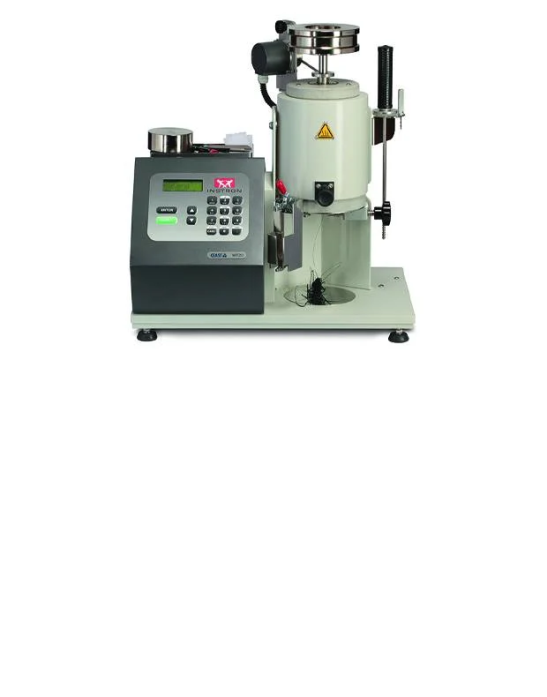
ISO 1133-2 and ASTM D1238: when Load Cell ensures Repeatability of Results
ISO 1133 and ASTM D1238 cover the determination of the Melt Mass-Flow Rate (MFR) and Melt Volume-Flow Rate (MVR) using easy and quick test procedures. The ASTM D1238/ISO 1133 standards specify detailed test conditions, including pre-heating period, starting position, and measurement length/time. However, fulfilling all standard specifications using a basic melt flow tester (extrusion plastometer) can be challenging, especially when testing some polymers and compounds. Results can be affected by poor repeatability.

ISO 10555 - Tensile Testing of Catheter Tubing
Intravascular catheters are devices used for either diagnostic purposes or to deliver treatments within the vascular system. They are commonly used to treat clogged arteries by moving through the vascular system to access the site of a blockage, where a balloon or stent is placed in order to permanently hold the artery open. Cardiac catheterization is extremely commonplace and helps prevents cardiac arrest in millions of people with high blood pressure and other cardiac risk factors. As with all medical devices, the consequences of catheter failure are severe. Because of this, regulatory bodies maintain strict testing requirements to ensure that all devices are suitable for their intended use. ISO 10555 is a testing standard that defines specifications for single-use intravascular catheters, including mechanical properties, corrosion resistance, and functional properties related to gas and liquid leakage. The various annexes of the standard correspond to various types of vascular catheters. To read the standard in full, purchase ISO 10555.