 View Instron on TEKEN44
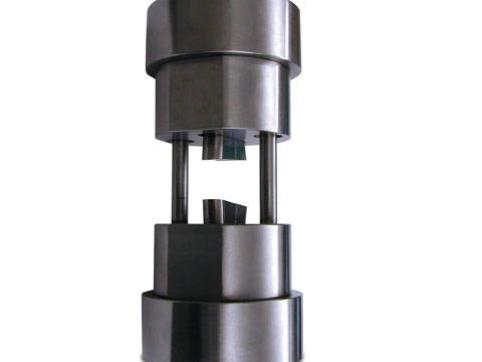
ISO 14126 describes the methodology for determining the in-plane compressive properties of fiber-reinforced plastic composites. The standard describes two different methods for evaluating the properties: Method 1: provides for shear loading of the specimen Method 2: provides for end loading or mixed loading of the specimen Ultimately, these two methods require two different test fixtures. The more common method of the two is Method 1, which uses a Celanese-type fixture (shown at right). Also, in both methods, the specimen gauge length is completely unsupported. For the Method 1 test, the specimen is supported in the fixture and compressed, using hardened-steel compression anvils, along its major axis at constant rate of displacement until the specimen fractures. Because of the typically high forces that are recorded during this test, we usually recommend a dual-column electromechanical testing system. Finally, accurate strain measurement is required for making measurements such as compressive modulus or compressive failure strain. Therefore, either a suitable extensometer or bonded resistance strain gauges are required for measuring axial strain throughout the test.
TEKEN44 Similar Products

Chemprotector Mega-Divetex®
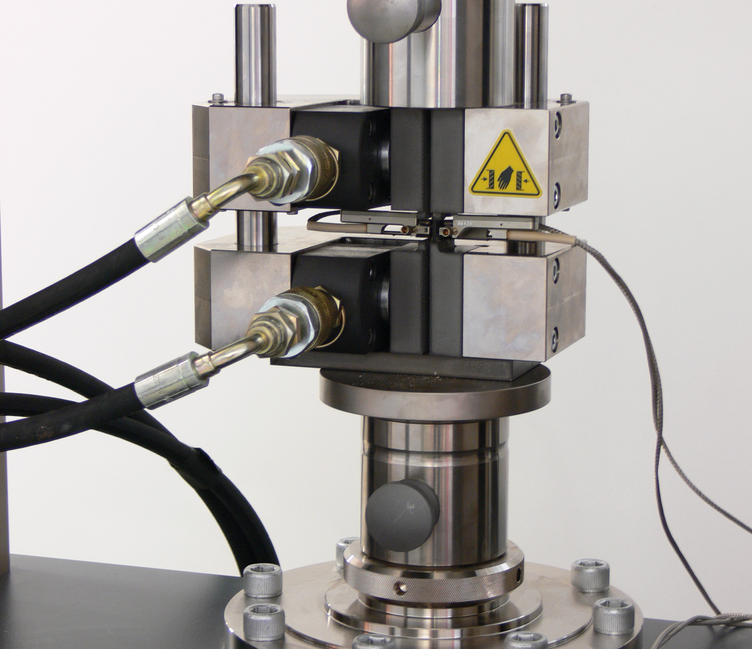
Hydraulic composites compression fixture (HCCF)
ISO 6383-1 Tear Resistance Plastic Film and Sheeting
ISO 6872 Flexural Strength Testing of Dental Ceramics
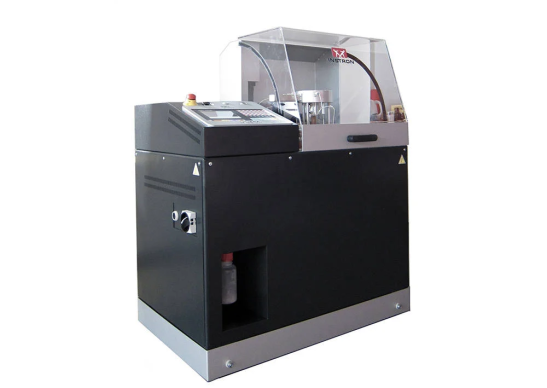
ISO 75 and ISO 306: HDT and VST Tests on High Temperature Polymers
ISO 813 Adhesion Strength of Rubber to Rigid Substrates
Google Lens Search · visually similar products
The TEKEN44 product image was analyzed with Google Lens via the TEKEN44 MCP server to find 20 visually similar products from across the web.