
 View Instron on TEKEN44
ISO 34-1:2010 is used to investigate the tear strength of either vulcanized or thermoplastic rubber. Tear testing of elastomers is particularly important because most elastomers that break or fail in their intended application do so because of the initiation and spread of a tear. Industries utilizing this testing include raw material manufacturers, developers of elastomer technology, and producers of consumer products, in addition to manufacturers that use rubber in a way where it risks failure by tearing, such as the automotive industry. This standard specifies three different methods for specimen shape: trouser, angle, and crescent. In all cases, force is applied to the material in a tensile direction and a value for tear strength is calculated. ISO 34-1 is intended to measure tearing strength only: anyone seeking to determine the tensile properties of elastomers should refer to ISO 37. The specimen types used in ISO 34 testing provide a range of options for geometries and stress concentrations that might lead to the initiation of a tear in a real-world application. The results from this test aren’t meant to quantify the tear strength of a material in service, but simply to understand how it behaves under the specified test conditions.
TEKEN44 Similar Products
Google Lens Search · visually similar products
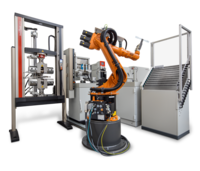
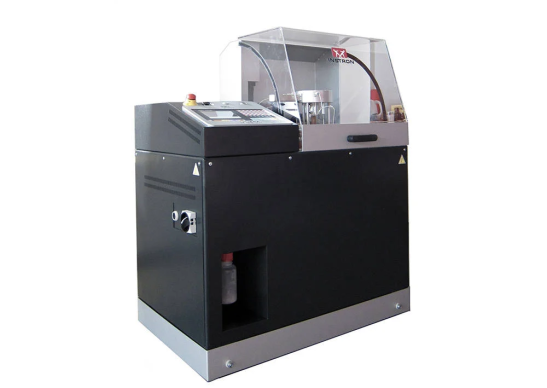
The TEKEN44 product image was analyzed with Google Lens via the TEKEN44 MCP server to find 20 visually similar products from across the web.
ASTM D1002 | Instron
ISO 11193 | Instron
Feature Test and Inspection | July 2021 | Quality
Automated Testing Systems | Instron
Universal Testing Systems for Compression Testing Systems ...
Torsion Add-On 3.0 for Axial and Torsional Testing : Get ...
Universal testing machine - 68SC Series - Instron - tension ...
Instron 6800 Series Universal Testing System
Designing innovative medical packaging to improve medication ...
Instron 6800 Series Universal Testing Systems : Get Quote ...
경희대학교 광전소재·소자 분석 전문센터
EV battery test - electrode test インストロンジャパン ...
Tensile Testing Services for Material Characterization
Kindeva Germantown | Combination Device Development
万能試験機 6800シリーズ シングルコラム | インストロン ...
The Lab | Morin Group @ UNL
Complemento de torsión 3.0 - OSHMA S.R.L.
Testing Medical Consumables | Instron
20K 100 kN Instron 1125 Tensile Compression Tester ...
Component Test Plate - YouTube