 View CCIT on TEKEN44
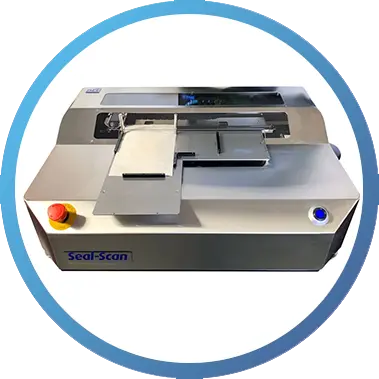
Airborne ultrasound is a referenced technology in the new USP <1207> Chapter Guidance as a deterministic test method for seal quality testing, is an ASTM Test Method F3004 and FDA Recognized Standard for seal quality inspection testing. PTI’s proprietary Airborne ultrasound technology is a non-destructive seal quality inspection solution. Airborne ultrasound can be used for many material types such as Tyvek ®, paper, foil, film, aluminum, plastic & poly. PTI’s Seal-Scan (Offline) and Seal-Sensor (Online) both utilize the non-contact airborne ultrasonic testing technology. As a package seal passes through the sensor head, ultrasonic waves propagate through the material causing reflection of the sound waves. When defects are encountered, they result in a reduction/elimination of the signal strength – identifying the defect. The greater the acoustic difference between mediums (most evident at a gas to solid transition) the more sound is reflected, and the less sound transmitted through the seal. Any material fold, foreign media inclusion and even a microscopic air gap between layers of pouch material can cause a significant reflection, so the transmitted signal is lower. A small cut, abrasion or missing layer in material causes less reflection, so the transmitted signal is higher. Therefore, the level of a signal received after passing through the seal is a function of the seal quality. Various types of seal defects, visible and invisible, leaking and non-leaking, process-related and random, are detectable.
TEKEN44 Similar Products



Google Lens Search · visually similar products
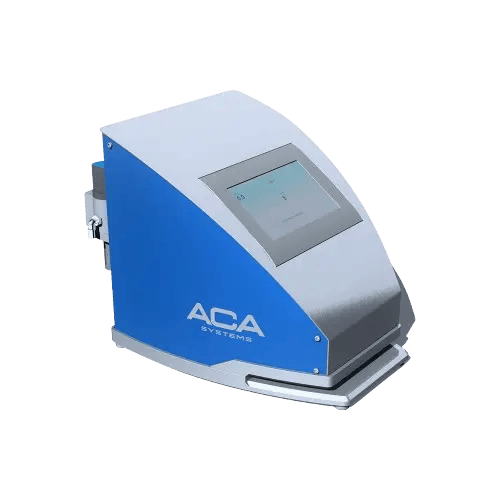
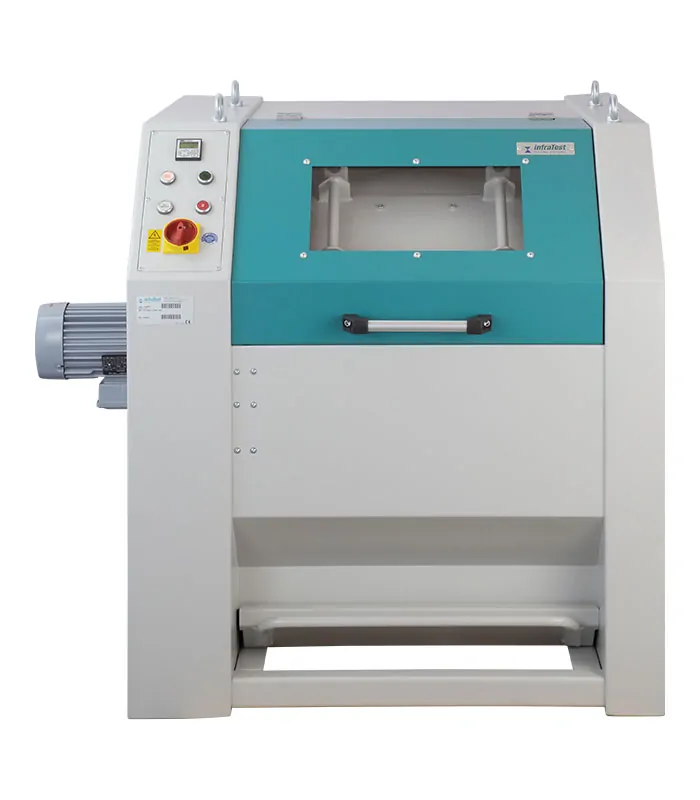
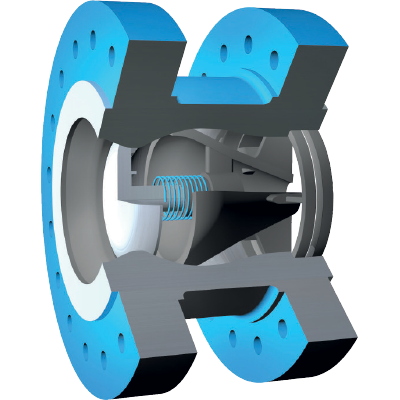
The TEKEN44 product image was analyzed with Google Lens via the TEKEN44 MCP server to find 20 visually similar products from across the web.