
ZwickRoell
ZwickRoell is a family-owned company with over 170 years of experience in materials and component testing. They offer innovative testing systems and services for reliable test results in various industries worldwide.
All Products(14)
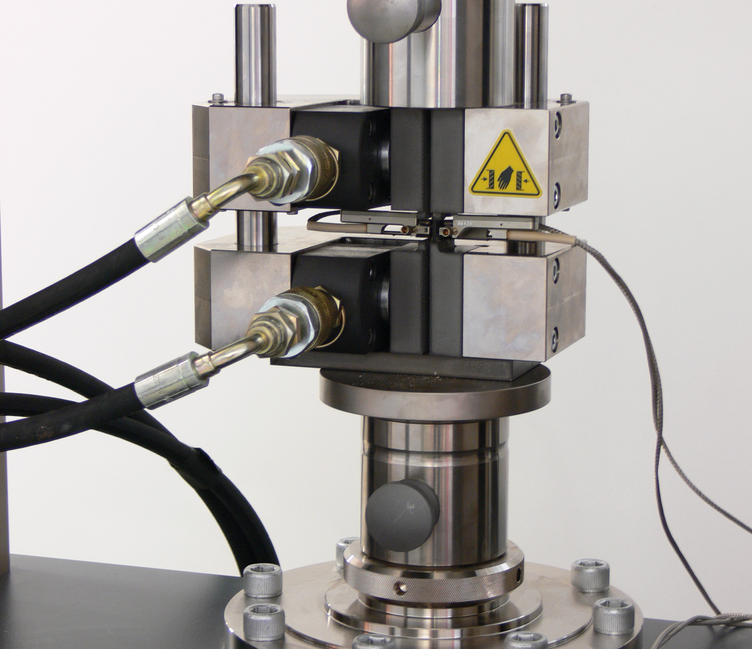
Hydraulic composites compression fixture (HCCF)
Applications: Test to ISO 14126, prEN2850, Airbus AITM 1-0008, ASTM D3410, ASTM D6641, JIS K 7076, RAE TR 88012 CRAG methods 400 and 401, QVA-Z10-46-38, ASTM C1358, Airbus document X88SP1105735: “Plain compression test according to AITM 1.0008 A1 and A2 with ZwickRoell HCCF” 'Plain', 'open hole and 'filled hole' compression tests with force application via clamping (shear loading) or with combined force application with end support and simultaneous clamping (combined loading) Function description: The hydraulic compression fixture for composites (HCCF = Hydraulic Composites Compression Fixture) is used for determining the compression properties of long-fiber-reinforced composites. Strain is measured using strain gages on both sides as standard (grid length > 3 mm). The compression fixture has a connection hole at the top. The bottom is mounted on a compression platen. In the case of specimens for which the distance between the tabs and the grip-to-grip separation are at least 2 mm greater than the initial gauge-length, a clip-on extensometer measuring on both sides can be used (with a clamping fixture) on a customer-specific basis. Advantages: Can be used for tests in an extended temperature range from -60°C to +150°C. Open design form (C-shaped) allows convenient specimen changing and simplifies use of extension measurement systems. Design ensures extremely accurate specimen alignment. Parallel-closing hydraulic clamping principle ensures slip-stick-free, flexure-free force application with largely constant deformation rate. Precision guide-columns for extremely precise alignment of specimen grips with each other. Low-friction ball-guides prevent distortion of test results. The magnetic support of the movable jaws facilitates changing of specimens and cleaning of the clamping surfaces
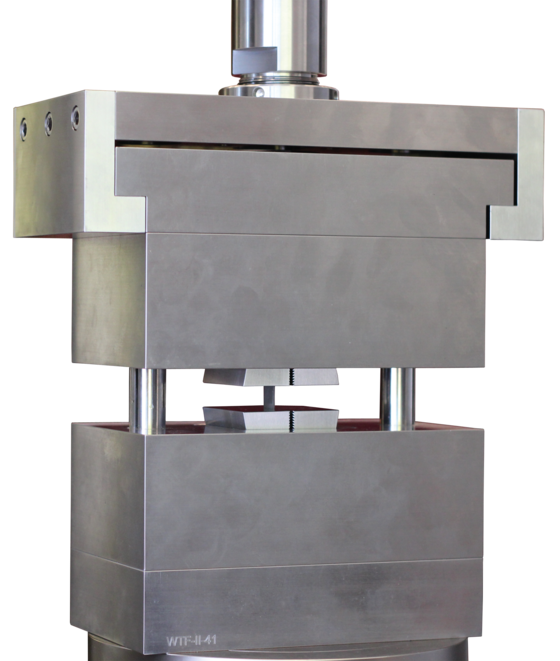
Compression test kit (shear loading), IITRI version
Applications: The compression test kit is used for testing fiber composites to ASTM D3410. Function description: The compression test kit is based on the wedge clamping principle. The kit consists of the following components: upper holder, specimen grip bodies, 3 sets of wedge jaws, setting gauge with centering spigot. A centering aid allows for exact alignment of the specimen with the wedge jaws. The clamped specimen plus wedge jaws are inserted into the lower specimen grip body. The upper specimen grip body is inserted into the upper holder. The parts of the device are moved together and engage with each other. Centering bolts ensure alignment of the upper grip to the lower grip. Advantages: Centering aid for alignment of the specimen For compression forces up to 220 kN Wide temperature range of -70 to 300 °C No machining of the test specimen face necessary

Kappa Multistation
The Kappa Multistation, capable of up to 50 kN, is suitable for creep tests on metals, plastics and composites. Up to 3 individually controlled load axes in one test frame Central precision lead screws ensure constant speed of the moving crosshead Easy simulation of various environmental conditions using either high-temperature furnaces or a temperature chamber Electromechanical creep testing machine with up to six individually controllable test axes
View Product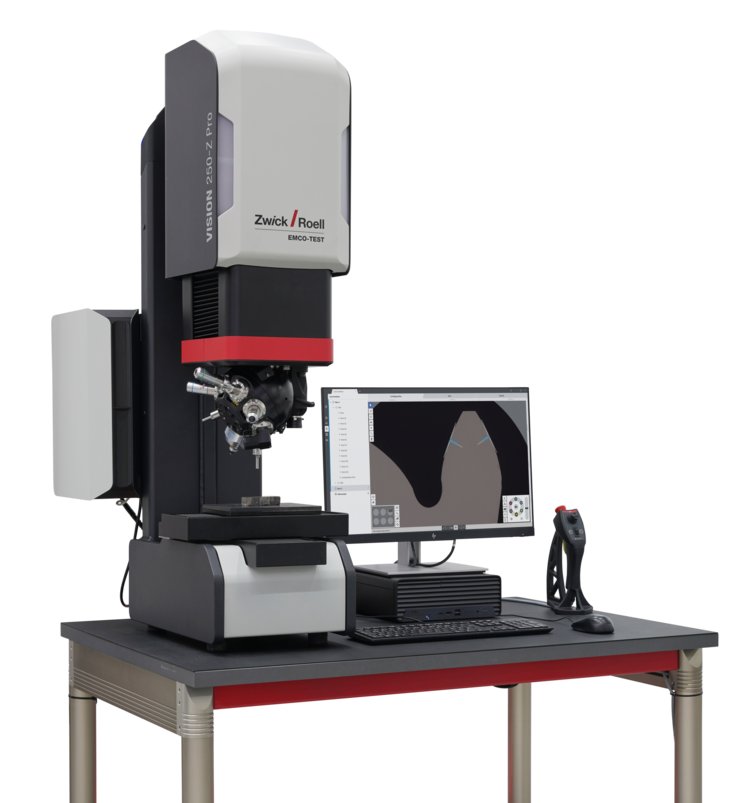
Universal Hardness Tester – VisionLine
Versatile hardness testing from micro to macro
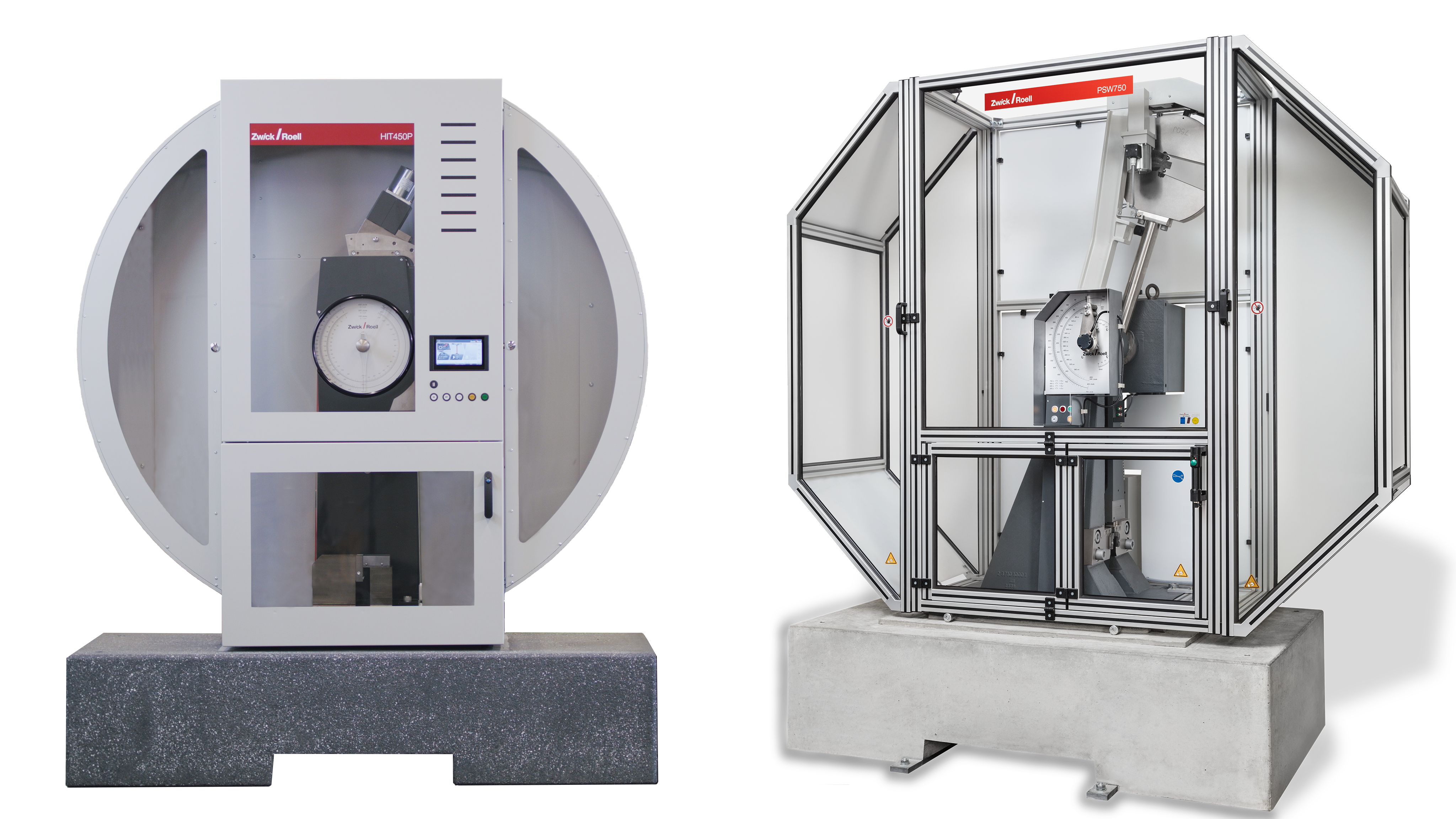
Pendulum impact testers
For tests up to 750 joules
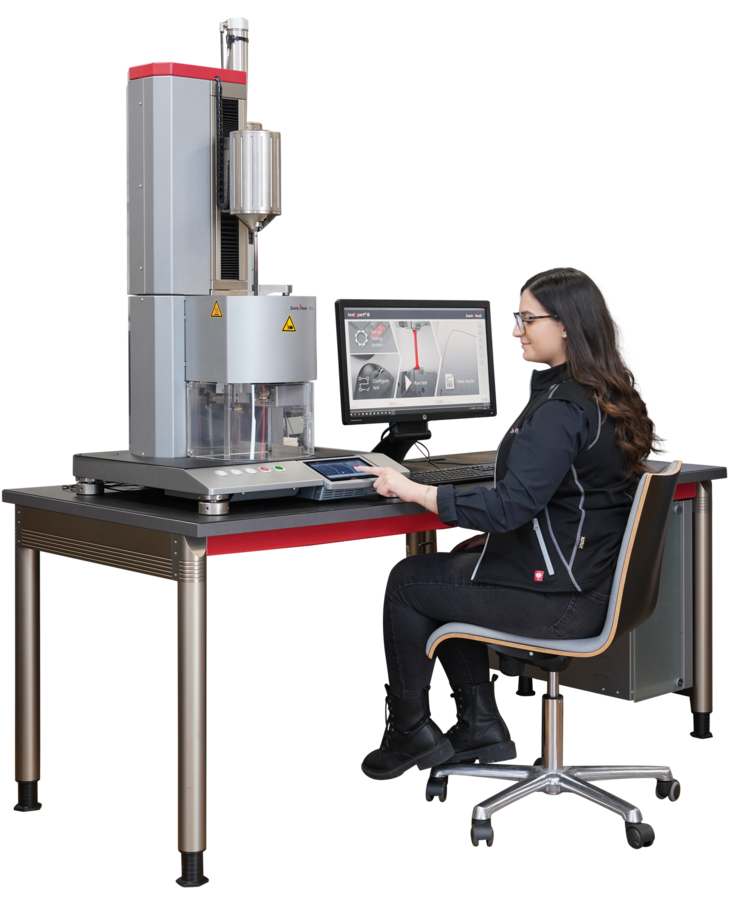
Aflow Extrusion Plastometer
Overcoming the challenges of melt index testing with the Aflow The Aflow is characterized by its high level of automation. Whether simple cleaning and defined pre-compaction at the press of a button, or steplessly adjustable test loads, the Aflow extrusion plastometer adapts to your testing needs: The Aflow was specially developed for research and development, shift work with changing operators and production control, where speed, operator-independent testing and a high level of repeatability and reproducibility of test results play an important role. The instrument supports worldwide common standards and methods: ISO 1133, ASTM D1238, ASTM D3364, JIS K 7210 for MFR and MVR measurement according to methods A, B, C and D.
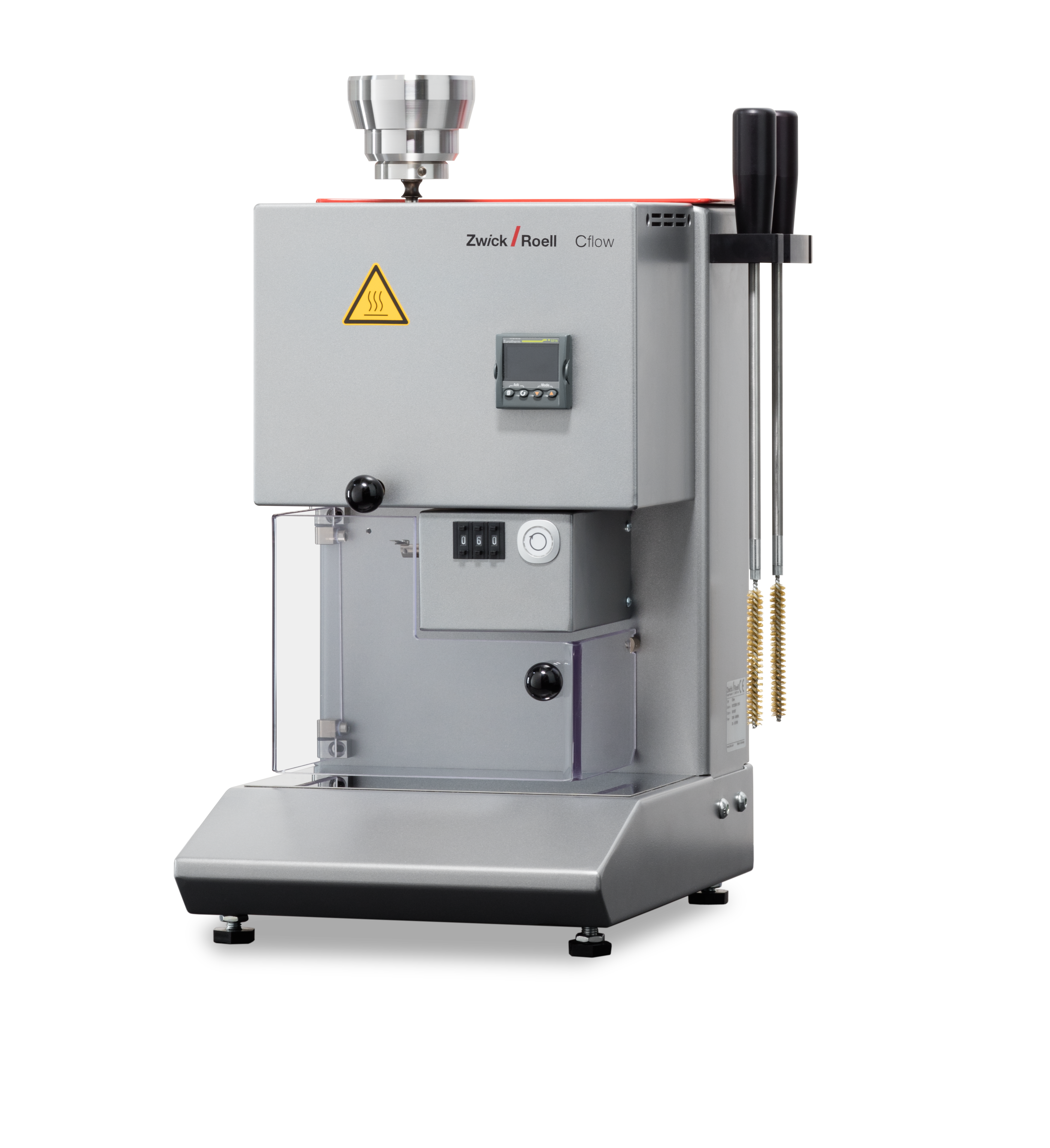
Cflow Extrusion Plastometer
The compact Cflow extrusion plastometers were designed as stand-alone instruments for quick verification of melt mass-flow rates (MFR). They are primarily used for incoming goods inspection at plastics processors where melt flow tests are carried out sporadically and no PC connection is required. The Cflow is designed for MFR tests to method A. Tests can be performed according to the following standards: Method A to ISO 1133, ASTM D1238, ASTM D3364, JIS K 7210.
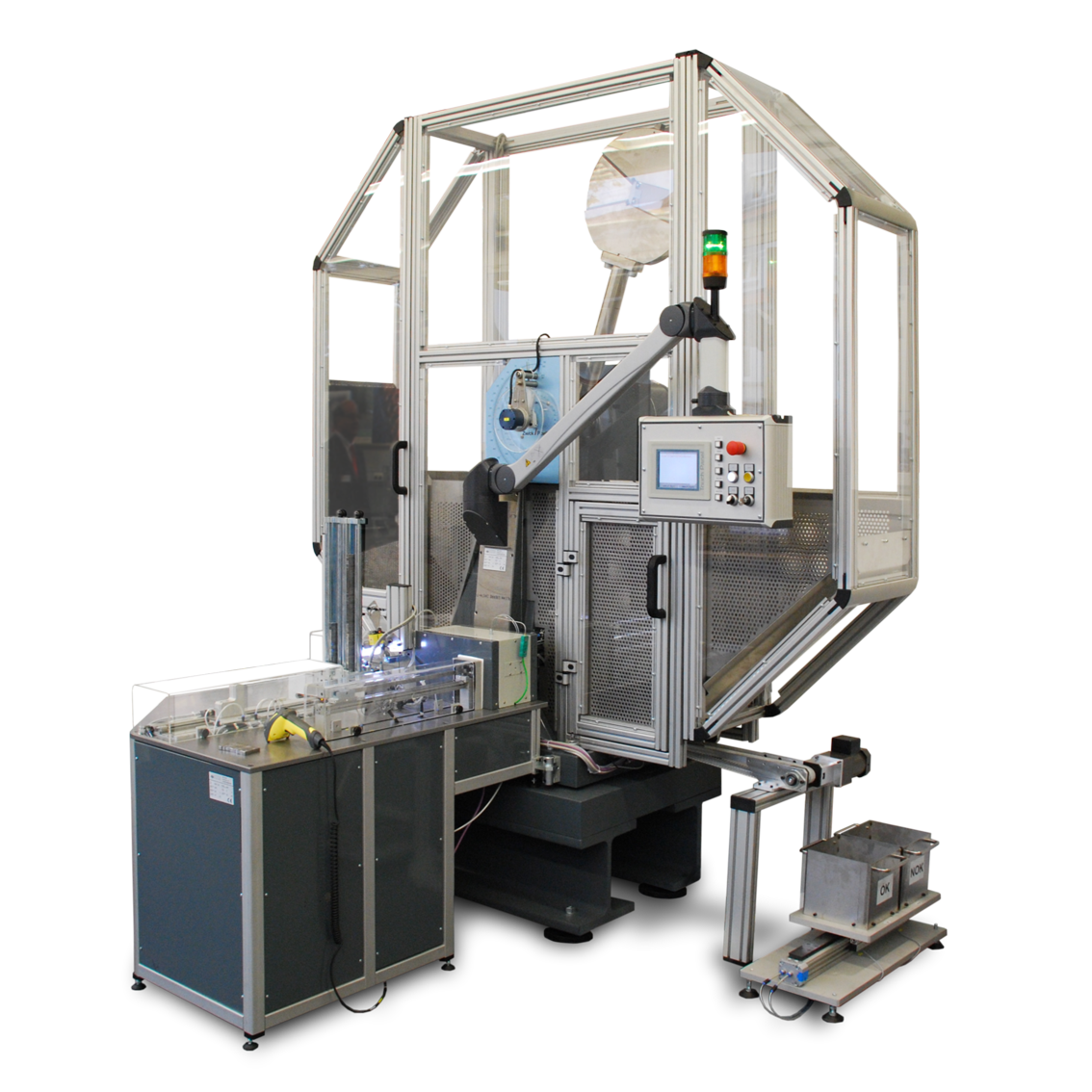
Robotic testing system roboTest I
For automated impact tests on tempered metal specimens (Charpy) or PE/PP specimens (Charpy/Izod)
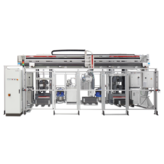
Robotic Testing System roboTest P
For automated tensile tests and complex test tasks on metals
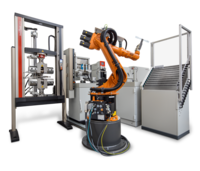
Robotic Testing System roboTest R
For automated tensile, flexure and compression tests and complex test tasks
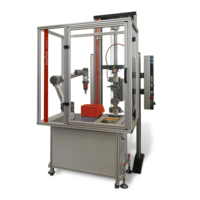
Lightweight Robot roboTest N
Automated function testing of simple applications in small series
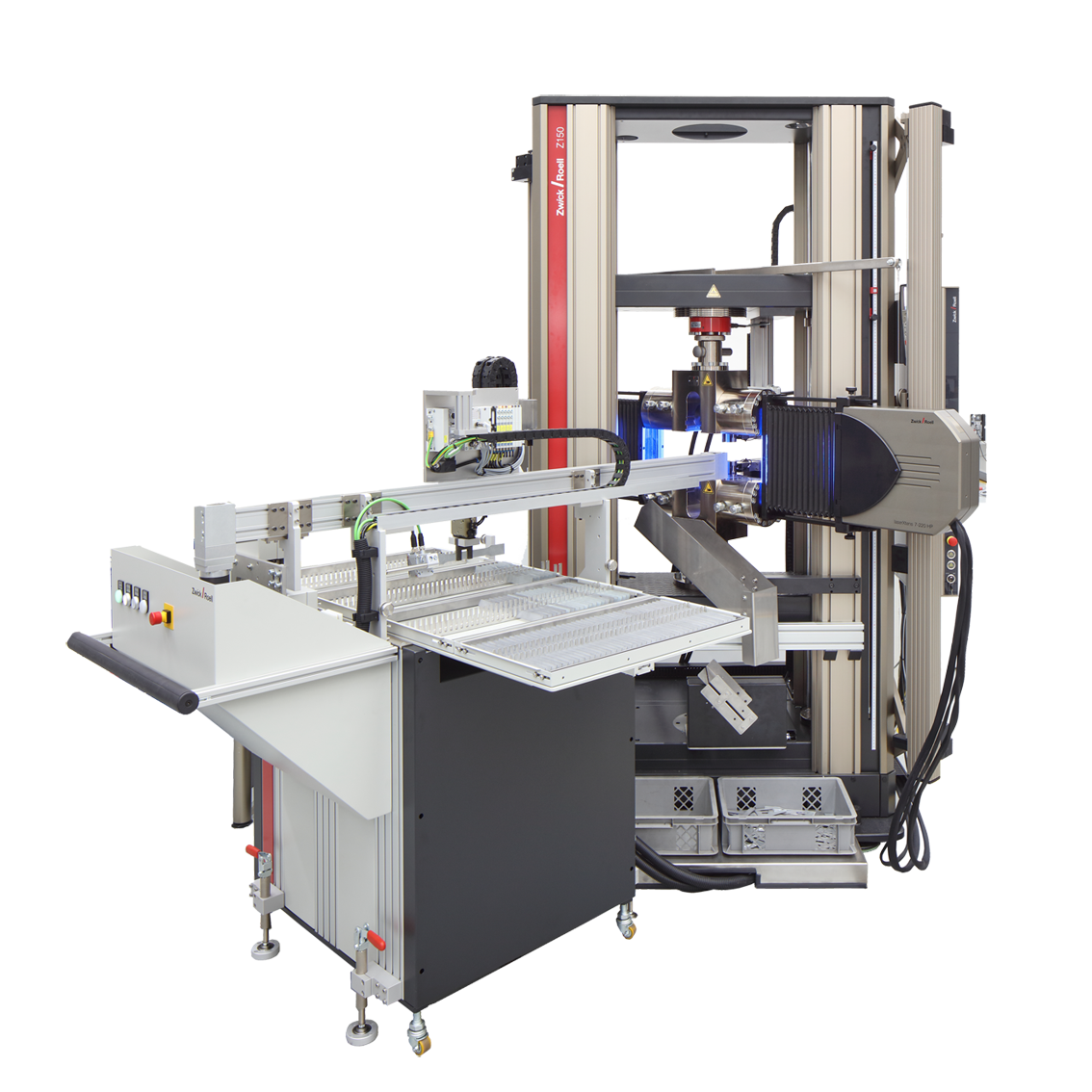
Robotic Testing System roboTest L
The automated testing machine for tensile tests and flexure tests
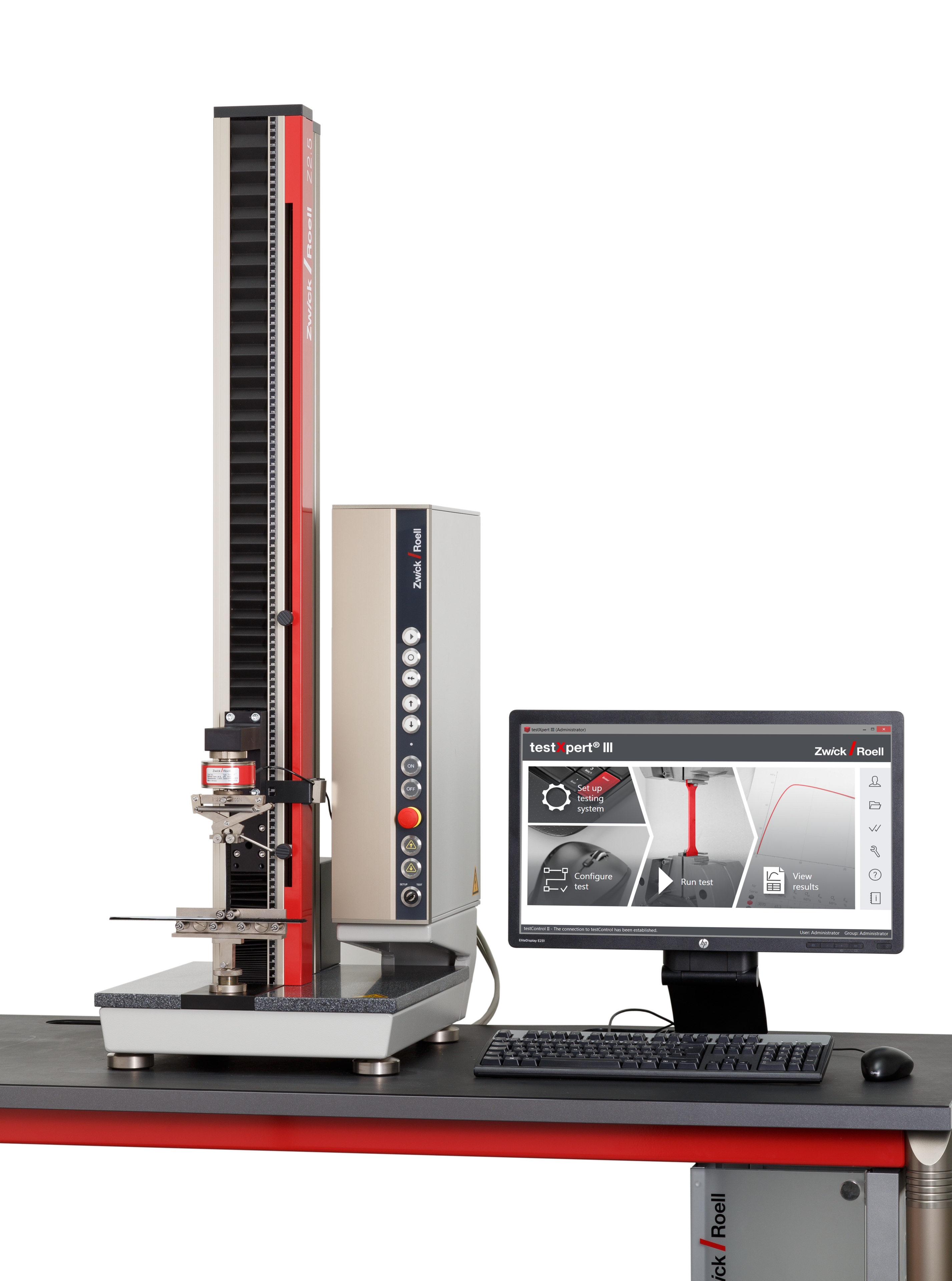
zwickiLine
For small test loads up to 5 kN
View Product