

Gabbrielli Technology S.r.l.
Gabbrielli Technology is a manufacturer of laboratory instruments and equipment for the ceramic industry and related sectors, specializing in quality control and complete 'turnkey' laboratory solutions.
All Products(31)
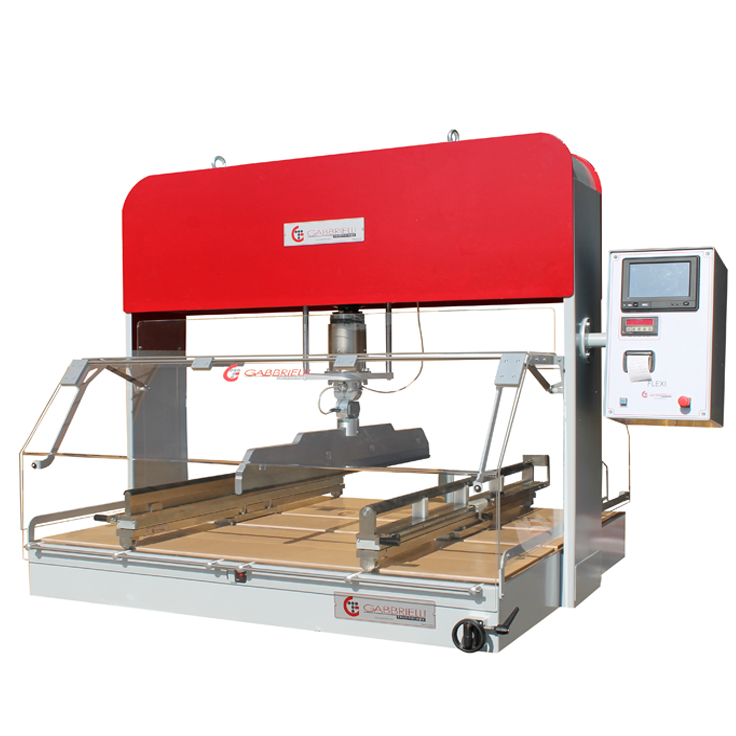
Flexi 5000
Instrument for determining the max load up to 5000 kg. and modulus of rupture M.O.R. and flexion consisting of a steel base where are positioned oscillating supports (knives) adjustable in width on which the specimen is positioned. The upper knife (with electronically adjustable speed as required by the standards) descends until it touches the specimen and then applies a force that compresses it until it breaks. Change up to 2 cells with automatic recognition. The instrument is equipped with a touch screen control and the lower supports (knives) are semi-automatically adjusted in width by operating a practical handwheel and can also be extracted outside for easier and more precise positioning of the specimen, limiting the consumption of the coating. eraser. The instrument is manufactured according to the UNI EN ISO 10545-4 STANDARD (other standards on request).
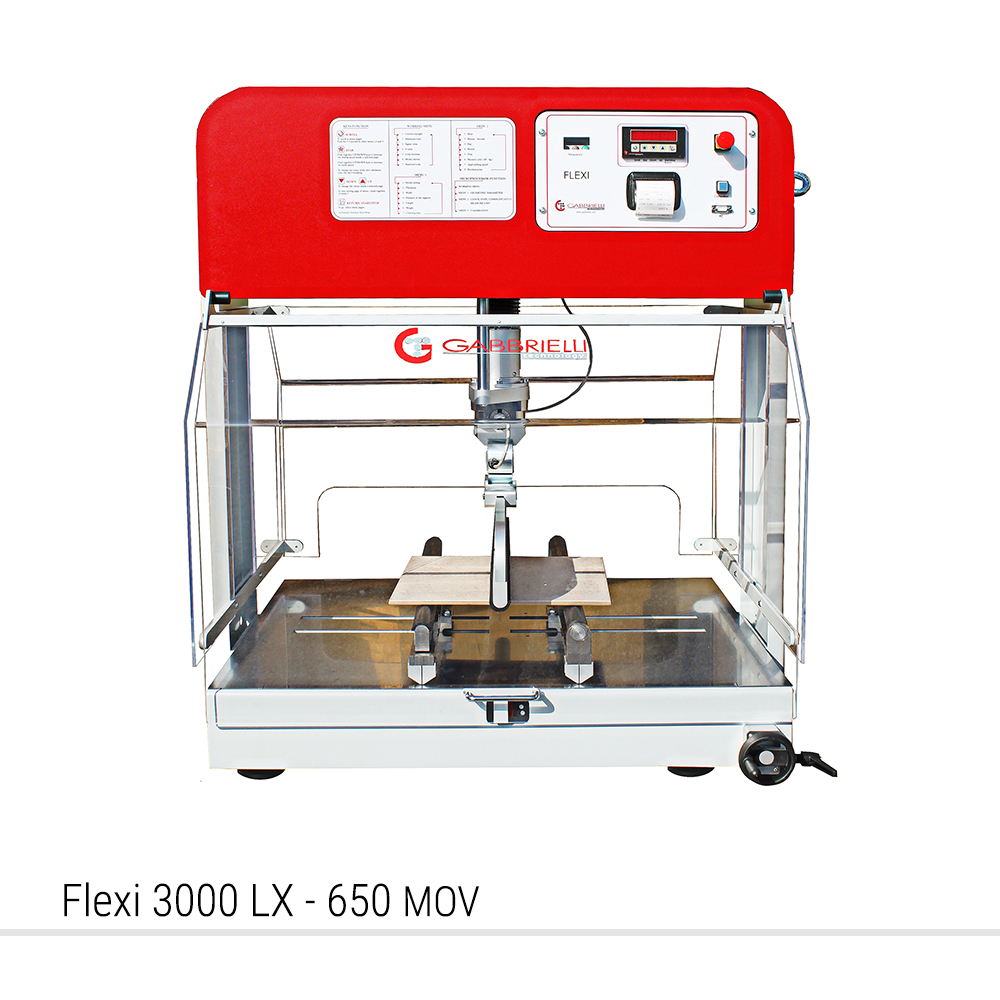
Flexi 3000
Instrument for determining the max load and modulus of rupture M.O.R. and flexion. The semiautomatic instrument consists of a steel base where there are oscillating supports (knives) adjustable in width on which the specimen is positioned. The upper knife (with electronically adjustable speed as required by the standards) descends until it touches the specimen and then applies a force that compresses it until it breaks. Change up to 2 cells with automatic recognition. The Flexi is produced in two versions: FLEXI STD: The lower supports (knives) are adjusted in width by manually positioning them inside the holes on the top. FLEXI PRO: The lower supports (knives) are semi-automatically adjusted in length by operating a practical handwheel. In this version, the accessory may be required that allows the extraction of the two lower supports for easier and more precise positioning of the specimen, limiting the consumption of the rubber coating. The touch screen accessory can be requested for both STD or MOV versions. The instrument is produced according to the UNI EN ISO 10545-4 STANDARD (other standards on request).
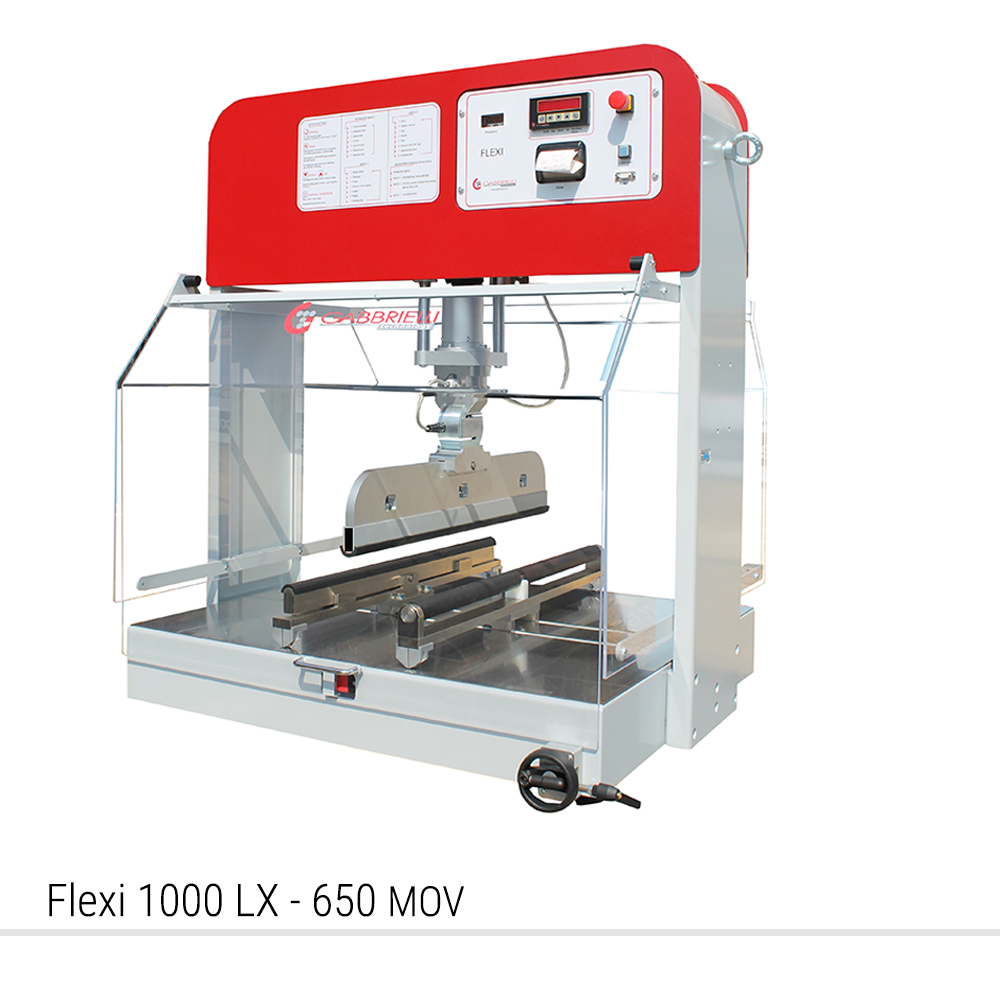
Flexi 1000
Instrument for determining the max load up to 1.000 Kg and modulus of rupture M.O.R. and flexion, consists of a steel base where there are oscillating supports (knives) adjustable in width on which the specimen is positioned. The upper knife (with electronically adjustable speed as required by the standards) descends until it touches the specimen and then applies a force that compresses it until it breaks. Change up to 2 cells with automatic recognition. The Flexi is produced in two versions: FLEXI STD: The lower supports (knives) are adjusted in width by manually positioning them inside the holes on the top. FLEXI PRO: The lower supports (knives) are semi-automatically adjusted in length by operating a practical handwheel. In this version, the accessory may be required that allows the extraction of the two lower supports for easier and more precise positioning of the specimen, limiting the consumption of the rubber coating. The touch screen accessory can be requested for both STD or MOV versions. The instrument is produced according to the UNI EN ISO 10545-4 STANDARD (other standards on request).
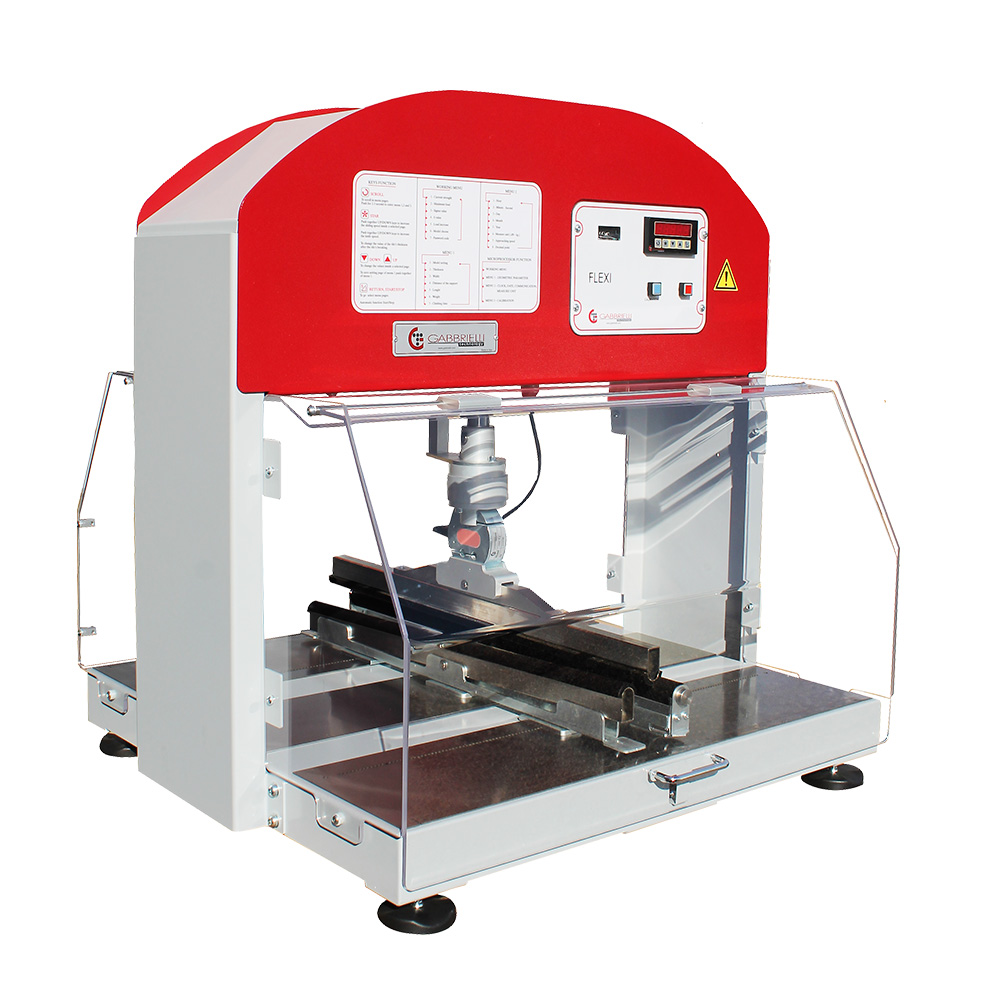
Flexi 800
Instrument for determining the max load up to 800Kg and modulus of rupture M.O.R. and flexion. The semiautomatic instrument consists of a steel base where there are oscillating supports (knives) adjustable in width on which the specimen is positioned. The upper knife (with electronically adjustable speed as required by the standards) descends until it touches the specimen and then applies a force that compresses it until it breaks. Change up to 2 cells with automatic recognition. The touch screen accessory can be requested. The instrument is produced according to the UNI EN ISO 10545-4 STANDARD (other standards on request).
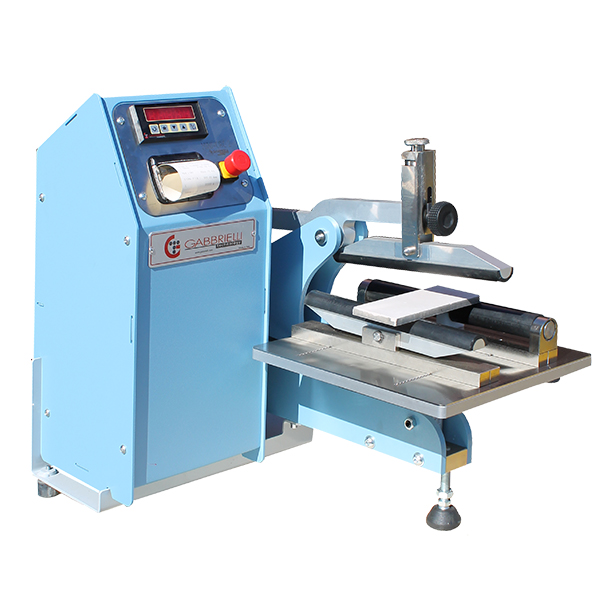
Crometro CRC 2 Mini
The Mini Crc 2 is composed by a working bench anchored on the electronic load cell and it holds, according the type of specimen under examination, the lower supporting knives. The upper part, supporting the upper knife, is motor driven and applies the load towards down during the working stroke. The increase of load is electronically programmable. The stroke ends wihen the specimen is broken. The instruments allows depending on the accessories installed, perform tests according to ISO and DIN standards. Other standards on request.
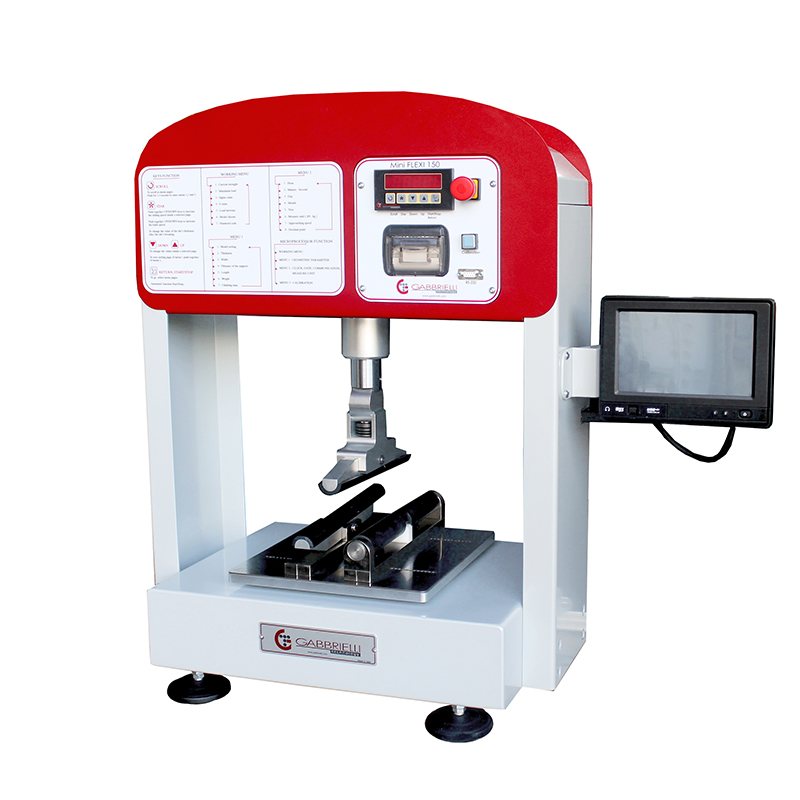
Flexi 150 Mini
Electronic instrument for the measurement of the breaking flexural strength on unfired ceramic specimen.The Flexi 150 Mini is composed by a working bench anchored on the electronic load cell and it holds, according the type of specimen under examination, the lower supporting knives. The upper part, supporting the upper knife, is motor driven and applies the load towards down during the working stroke. The increase of load is electronically programmable. The stroke ends wihen the specimen is broken. – The instruments allows depending on the accessories installed, per form tests according to UNI EN ISO 10545-4 standard – Other standards on request – The weight of the specimen is acquired autonomously and used in the calculation of sigma
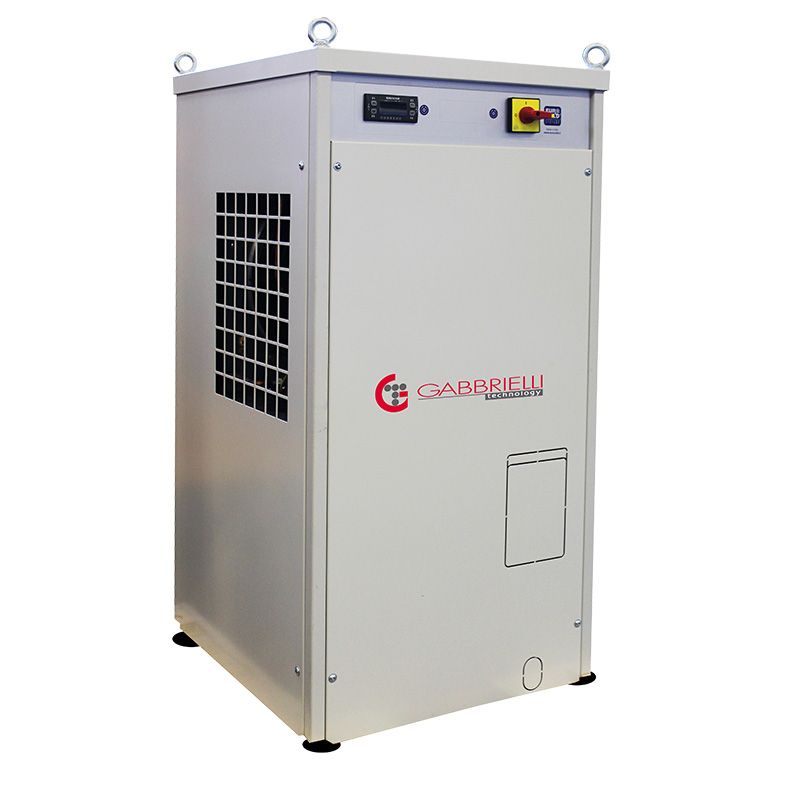
Chiller Cooler
Fluid cooler with compressor refrigerator (suitable for thermal shock)
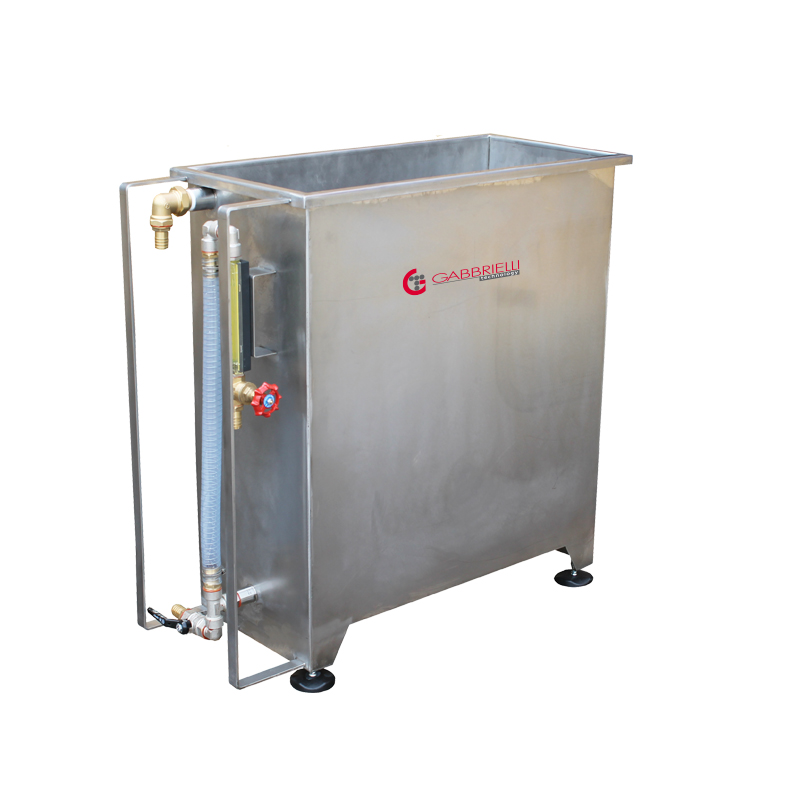
Thermal Shock Tanks
Determination of resistance to thermal shock on ceramic tiles: THERMAL TEST: If the glazed tiles are showing an absorption coefficient ≤ 10% (m/m) must be immerged in a tank “THERMAL” with a water flow of 4 lt/min and a temperature of 15 ± 5 °C, with a sufficient dept to allow the tiles to be placed vertically, immersed and so that are not in contact with each other. THERMAL-W TEST: If the glazed tiles are showing anabsorption coefficient>10% (m/m) must be use the tank “THERMAL-W”.An aluminium plate of # 5 mm must to be put in the tank. The aluminium plate must have the lower flat surfaces to stay in con tact with a water flow of 4 lt/min. while the upper surface must stay covered with a layer of 5 mm thickness of aluminium grains (diameter from 0,3 up to 0,6 mm) onto which the tile must lay with it’s glazed face towards the grains.The temperature must be kept to 15 ± 5 °C. For both testings:after the tiles have been for 5 min.at low temperature, take them immediately into an oven with temperature 145 ± 5 °C sand then just repeat the test. The above procedure has to be carried out for 10 times.
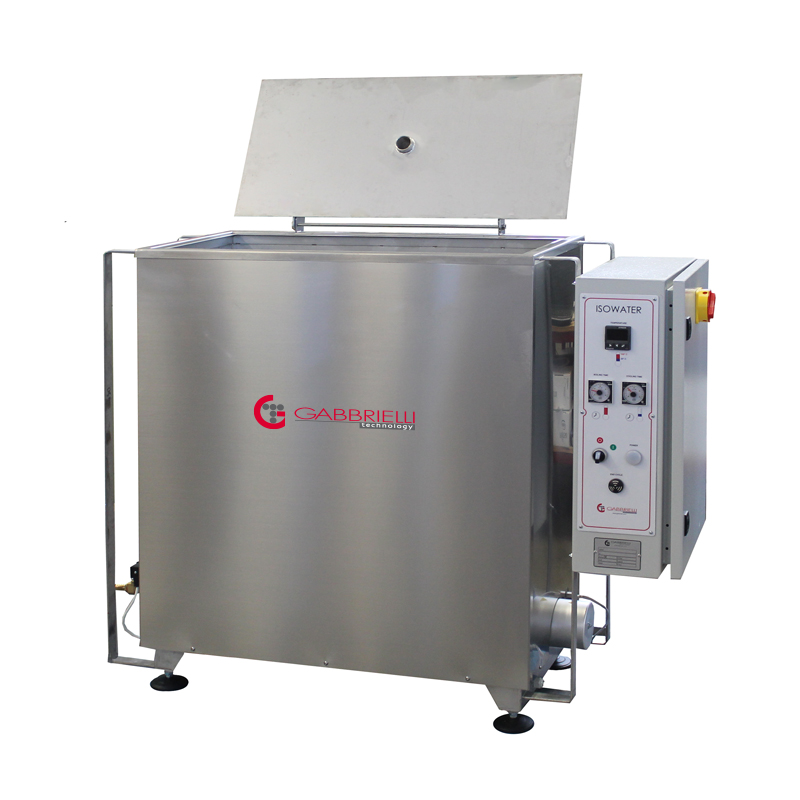
Isowater
Laboratory instrument to determine the amount of water absorption on tiles which have undergone boiling and cooling. The result is a % difference between the dry weight and the weight after the test.
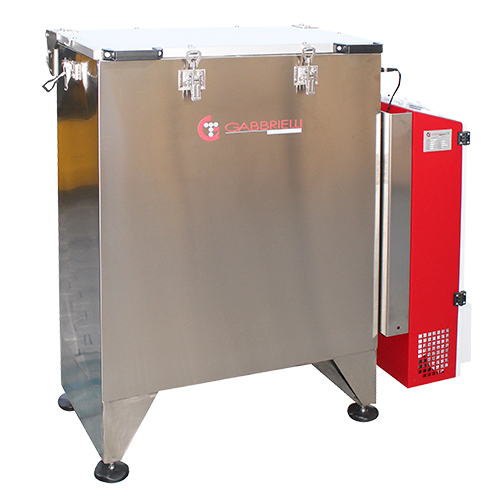
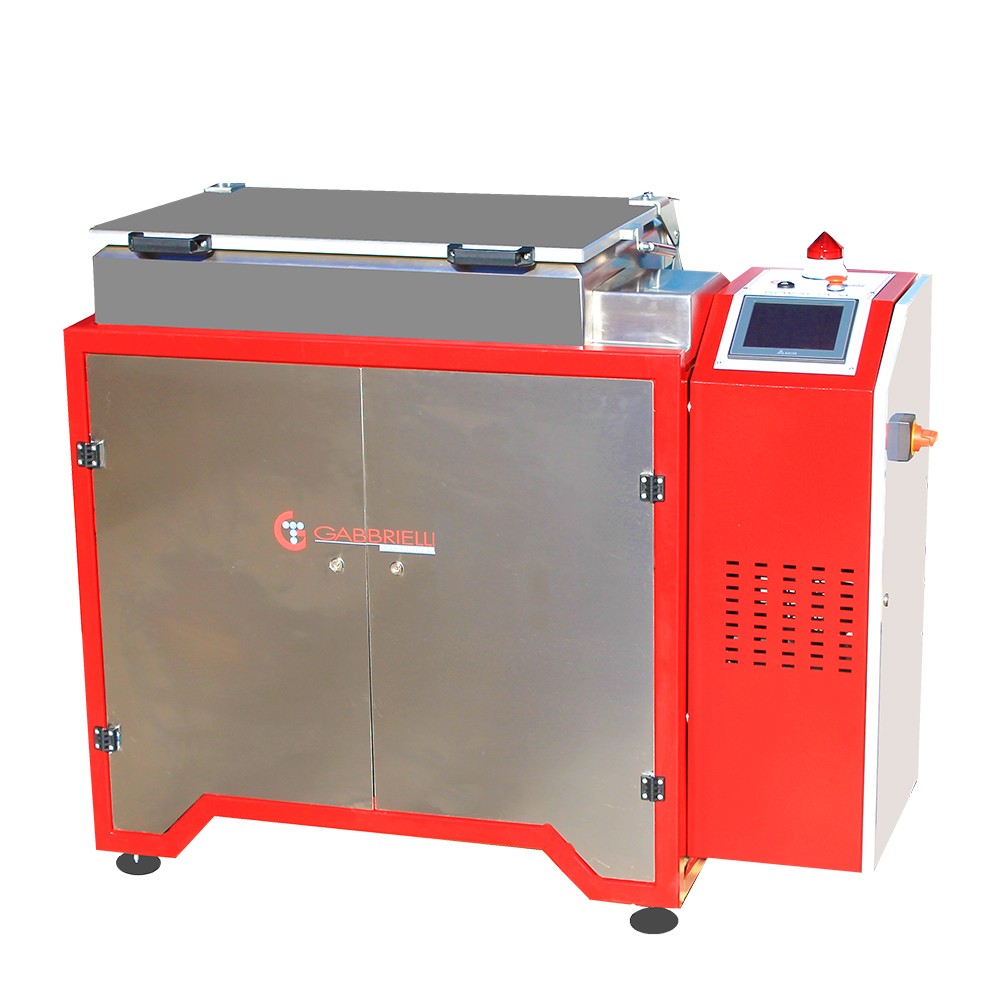
Isovacuum 200
DESIGNED AND MANUFACTURED IN COLLABORATION WITH “IL CENTRO CERAMICO”. Laboratory instrument to establishing the water absorption under vacuum of ceramic tiles according to the latest incoming standard UNI EN ISO 10545-3 (2018) for cut material of the size 20×20 cm. The cycles are stored and the operator can easily select or modify the same or programming newone. The touchscreen installed has a self explanatory interface which allows for a variety of information. The instruments are tested and calibrated according to the UNI EN ISO 10545-3:2018 others standard on demand.
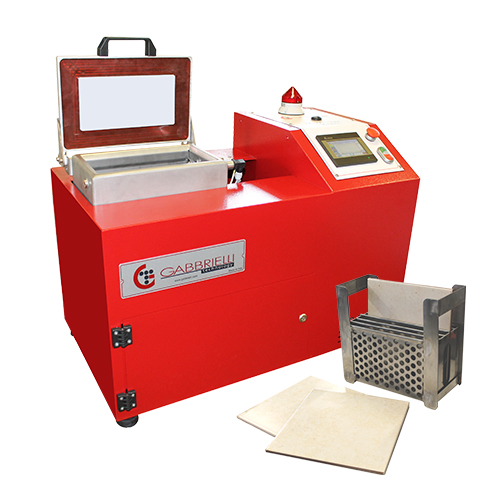
Isovacuum 150 Mini
Laboratory instrument to establishing the water absorption under vacuum of ceramic tiles according to the cycle of the last ISO 10545-3 Standard. The cycles are stored and the operator can easily select or modify the same or programming newone. The touchscreen installed has a self explanatory interface which allows for a variety of information. The instruments are tested and calibrated according to the UNI EN ISO 10545-3:2018 others standard on demand. Isovacuum is supplied and test according to the cycle of ISO 10545-3 Standard. Att: The instrument is strong recommended for testing mosaic tiles acc. to ISO 10545-3 standard.
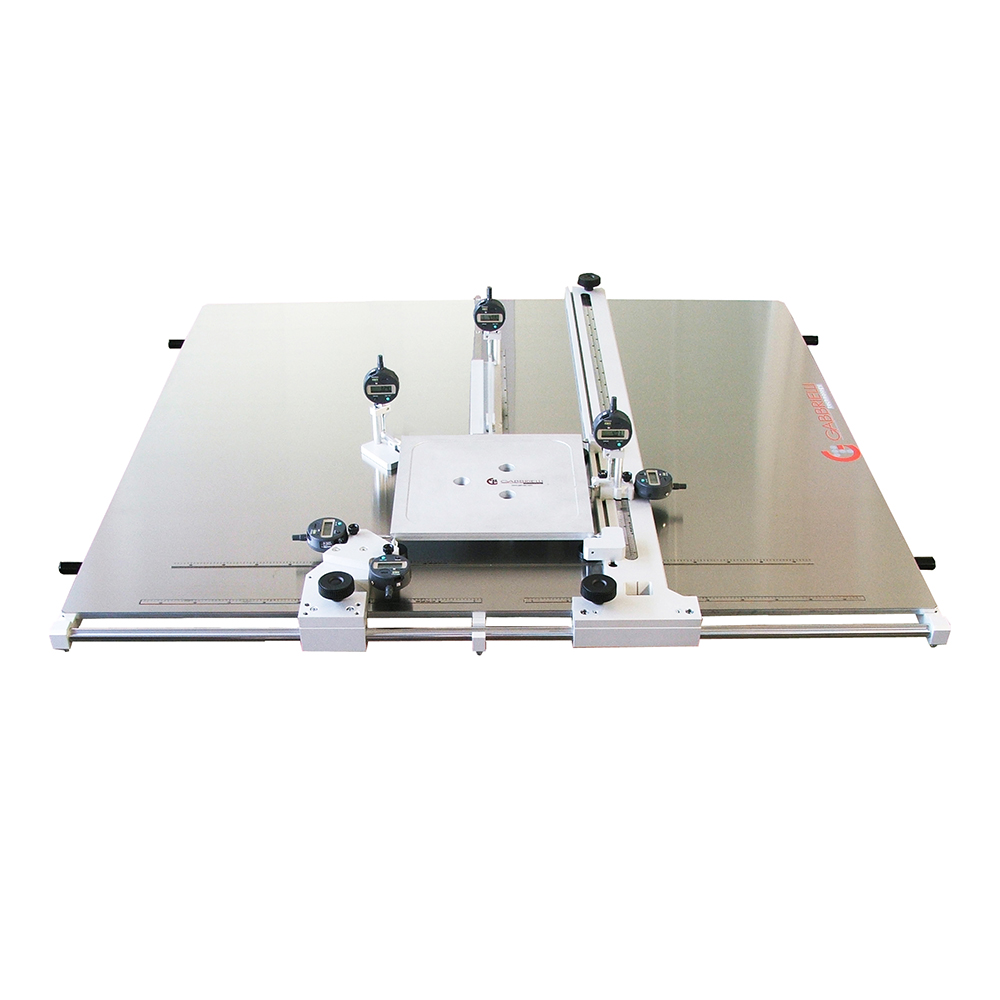
Dimension Digital
Laboratory instrument for determining the dimensional characteristic of the tiles (lenght, ortogonality, glide, warping, straightness of sides, curvature/bending of the sides). The measurements are done as difference from calibration plate and ceramic tile. Visual data collection through analog gauges.
Dimension Digital
Laboratory instrument for determining the dimensional characteristic of the tiles (lenght, ortogonality, glide, warping, straightness of sides, curvature/bending of the sides). The measurements are done as difference from calibration plate and ceramic tile. Visual data collection through analog gauges.
View Product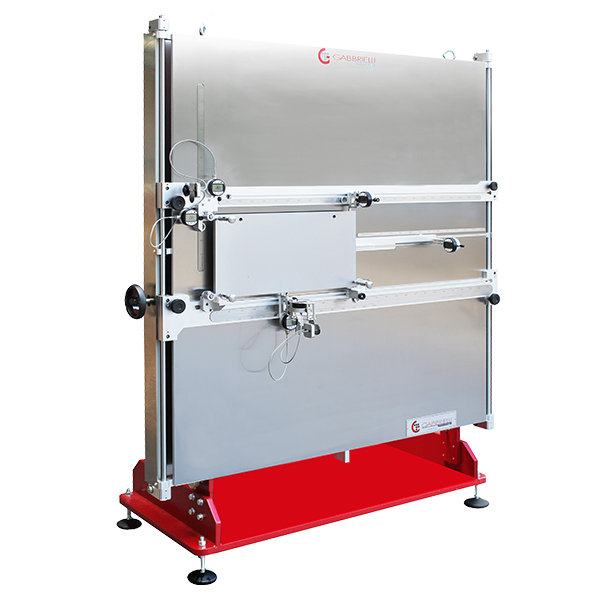
Datadimension-V
Laboratory instrument for determining the dimensional characteristic in the tiles (lenght, width, straightness of sides, rectangularity, surface flatness). The thickness is calculated by isothickness instrument. The measuring takes place by difference between the reference calibration plate (supplied with measures on customer demand) and the ceramic tiles to be tested. The instrument is used by means of a common notebook or Tablet and the data acquisition is fully automatic. The instrument is equipped with PC/Tablet and software that running with Windows XP/ Vista/7,8.1 for acquisition, calculation of tile dimensions, recording and link to printer as requested by ISO 10545-2 standards.
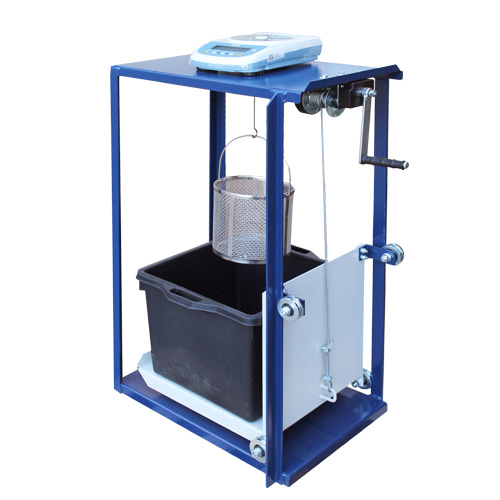
Densimeter Apparent Porosity
Used for specific gravity determination of tiles, concrete, aggregates, natural stone etc. To be used with a suitable electronic balance fitted with an under – hook facility. Robust steel frame made epoxy painted , it incorporates on its lower part a platform adjustable in height, holding a water container, and allowing the specific gravity test
Densimeter Apparent Porosity
Used for specific gravity determination of tiles, concrete, aggregates, natural stone etc. To be used with a suitable electronic balance fitted with an under – hook facility. Robust steel frame made epoxy painted , it incorporates on its lower part a platform adjustable in height, holding a water container, and allowing the specific gravity test
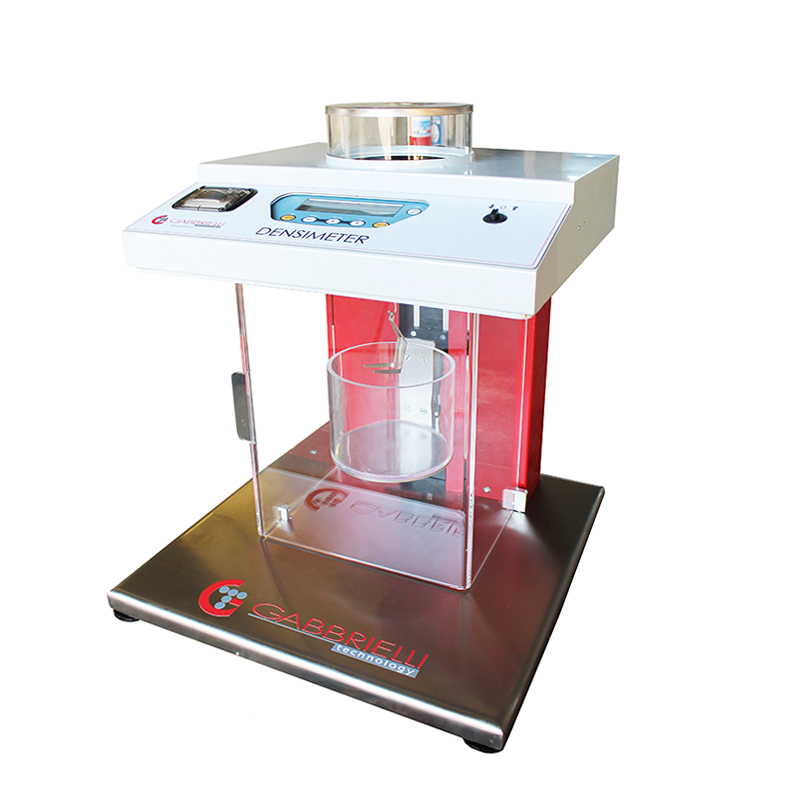
Densimeter
Instrument for measuring the density of a solid as a result of the ratio between the weight of the sample in the air and its hydrostatic thrust when it is immersed in a liquid. The measuring device includes a scale able to carry out the weight in the air, a base with a tank that contains the liquid for the measurement of the hydrostatic thrust and a mechanism that allows the rising and lowering of the tank. The execution of the test is completed by carrying out two simple operations the weight in air and the immersion of the specimen. On the control panel by means of an up / down selector, the operator immerses the specimen in the tank. The density calculation is automatic and is displayed on the large display. The result can be printed on the printer on the densimeter.
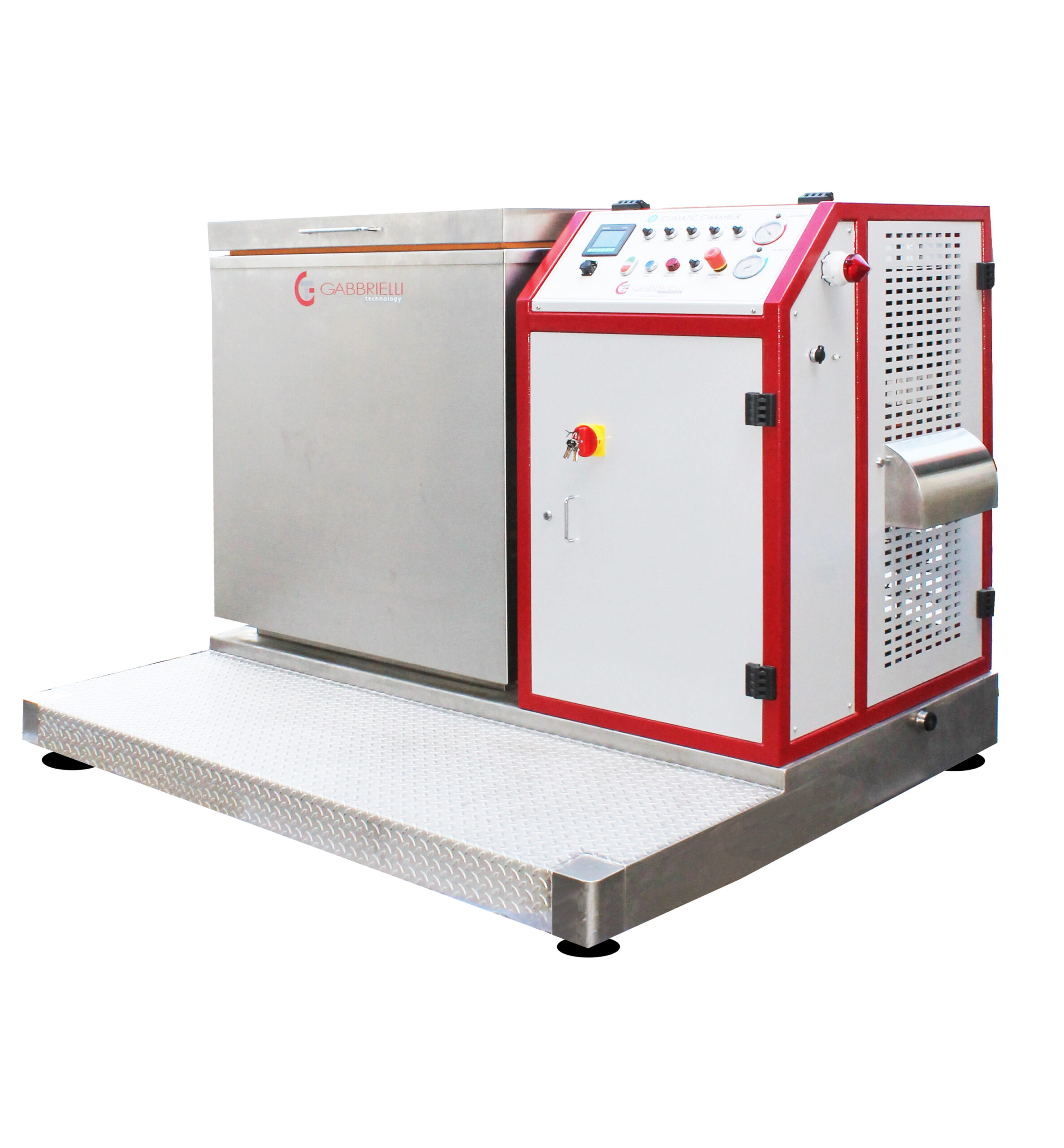
Climatic Cell
Instrument for frost test resistance on ceramic tiles, roof or a similar products. The tiles under go at least some 100 thermal-shocks (-5 ÷ +5 °C and -15 ÷ +15 °C) by repeated immersions or water spraying (the cycles are stored into the microprocessor). The climatic chamber is programmed to do the UNI EN ISO 10545-12 and EN202 Standards, GOST 27180.
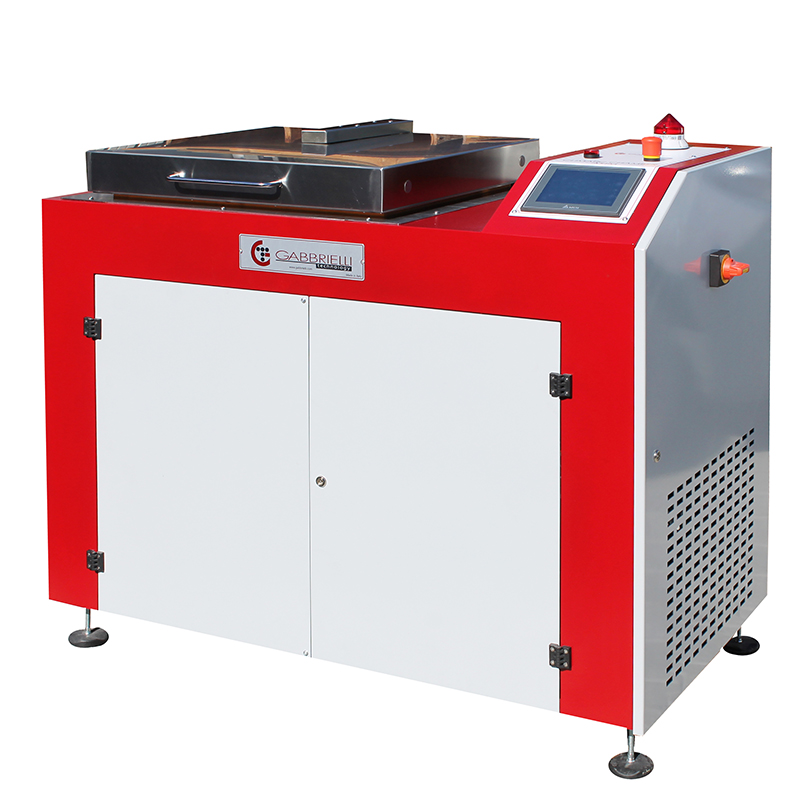
Climatic Cell Astm
Instrument for frost test resistance on ceramic tiles and similar products according to the standard ASTM C1026-13 (reapproved 2018)
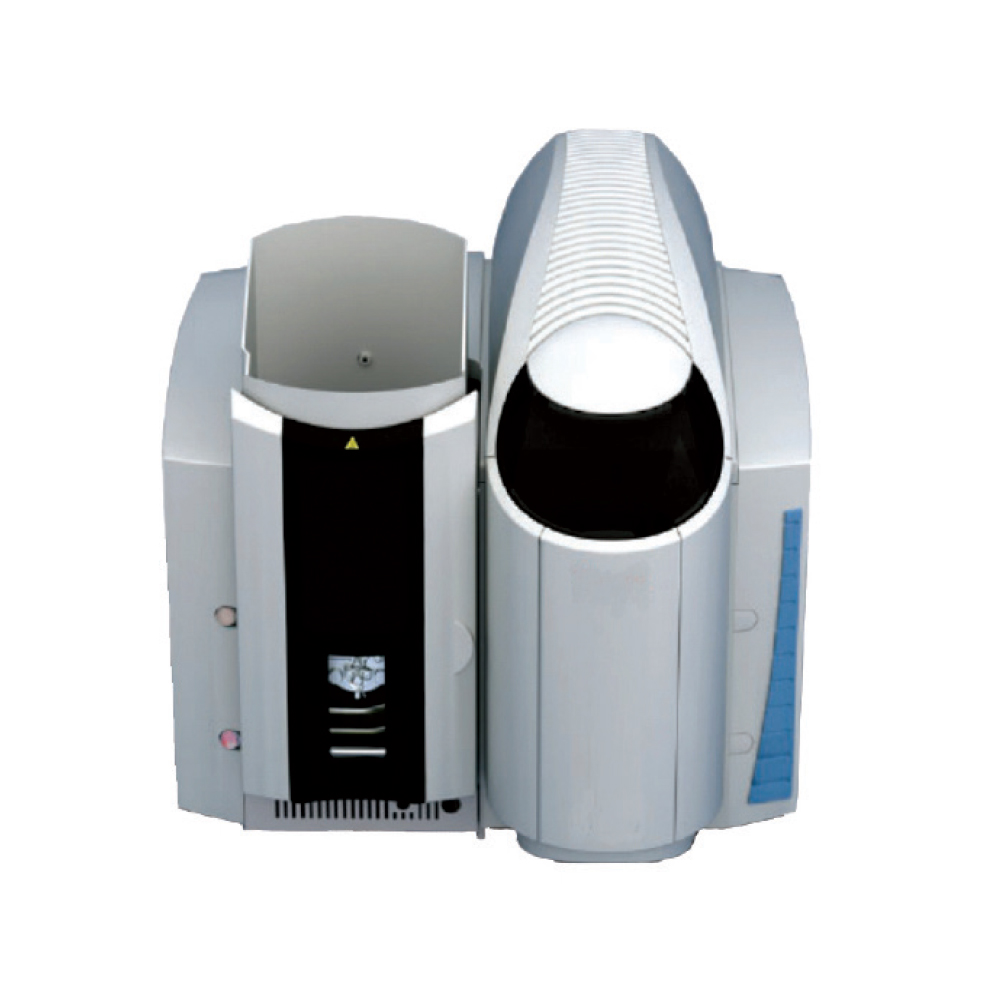
Spectrometer Atomic absorption
The iCE 3300 Atomic Absorption Spectrometer, single flame atomizer system with fully automatic gas box provides a complete elemental analysis solution incorporating simplicity and an innovative design to achieve superior performance makes even the most complicated analyses simple. Superior, high precision double beam optics provide unrivalled performance, unparalleled detection limits and exceptional optical stability while the innovative hardware design minimizes the footprint of the instrument and ensures that day-to-day analysis and maintenance is simple and minimal, developing methods and maintaining the instrument is easy. Safety comes as standard with integrated hardware safety features and automatic MFC gas controls. • The Ice 3300 Spectrometer need to work by means PC to be purchase
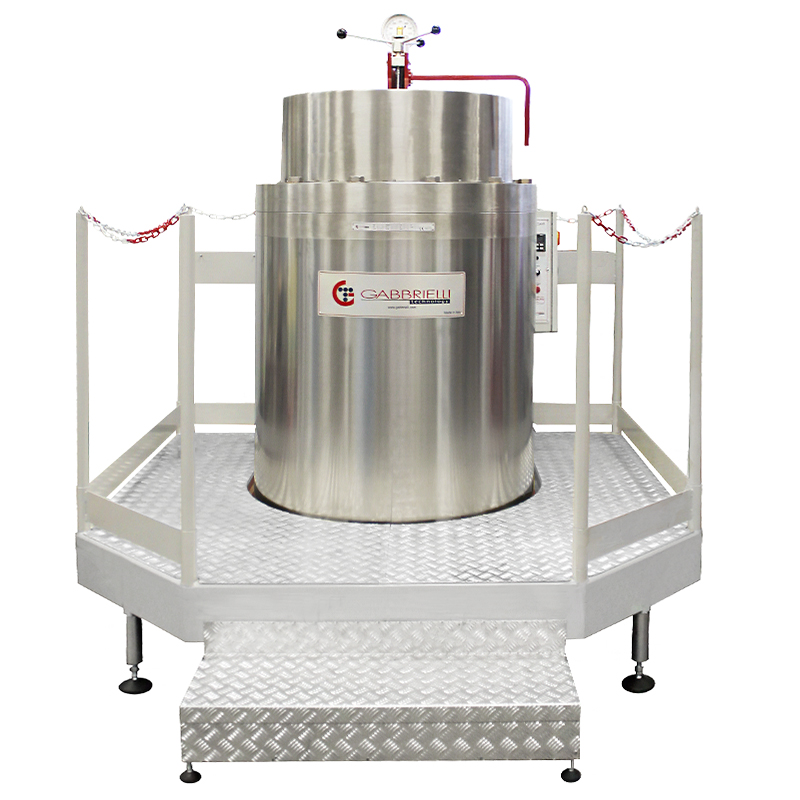
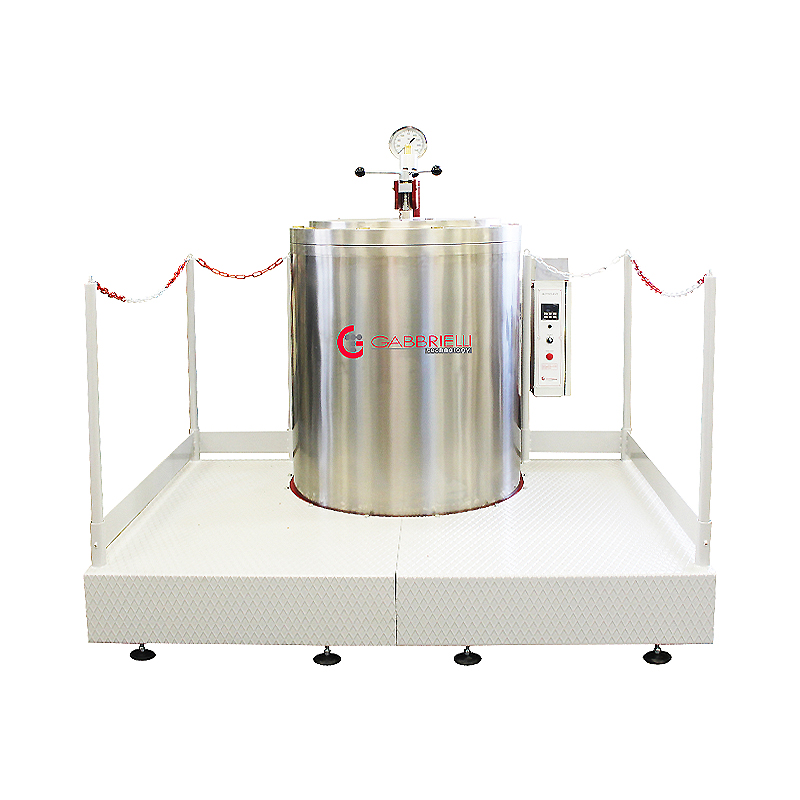
Autoclave GT-830
Autoclave for crazing test of glazed ceramic tiles. The pressurized container is all made by stainless steel AISI-304, suitably insulated, while the supporting frame is made by steel epoxy powder painted. Thanks to the programmable microprocessor, the autoclave can work with standardized cycles (according to UNI EN ISO 10545-11 standard) and cycles customized by the customer.
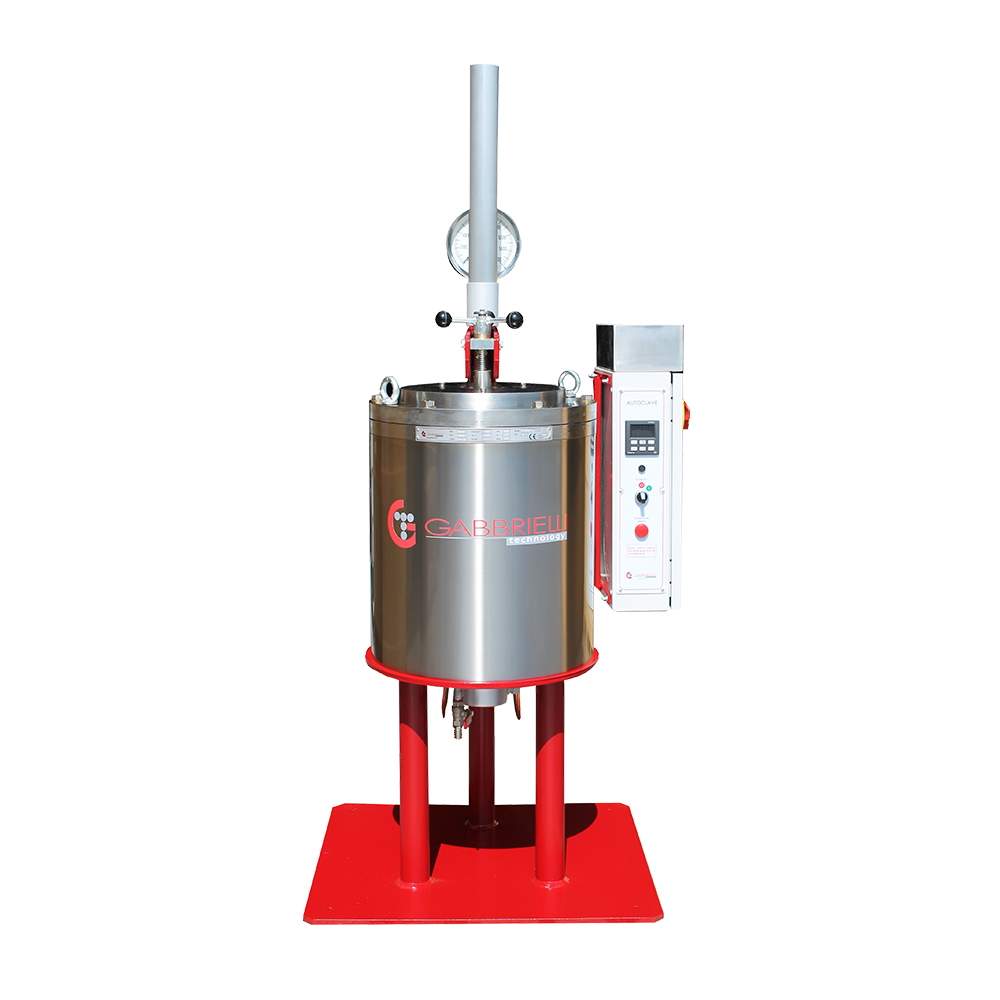
Autoclave GT-680
Autoclave for crazing test of glazed ceramic tiles. The pressurized container is all made by stainless steel AISI-304, suitably insulated, while the supporting frame is made by steel epoxy powder painted. Thanks to the programmable microprocessor, the autoclave can work with standardized cycles (according to UNI EN ISO 10545-11 standard) and cycles customized by the customer.
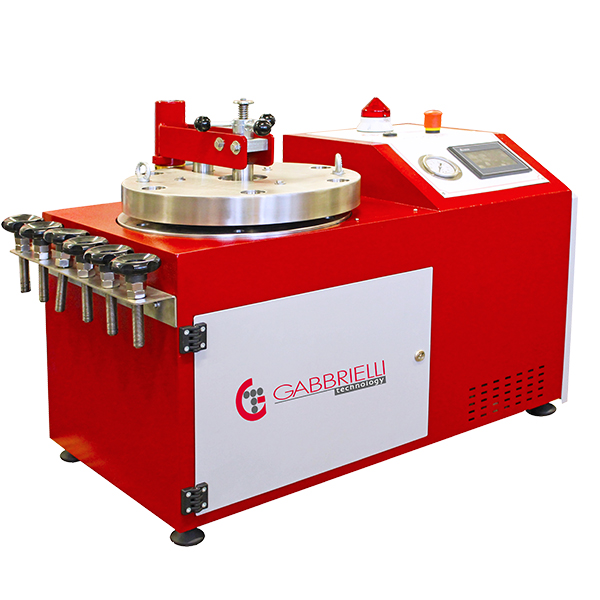
Autoclave GT-350
Autoclave for crazing test of glazed ceramic tiles. The pressurized container is all made by stainless steel AISI-304, suitably insulated, while the supporting frame is made by steel epoxy powder painted. Thanks to the programmable microprocessor, the autoclave can work with standardized cycles (according to UNI EN ISO 10545-11 standard) and cycles customized by the customer.
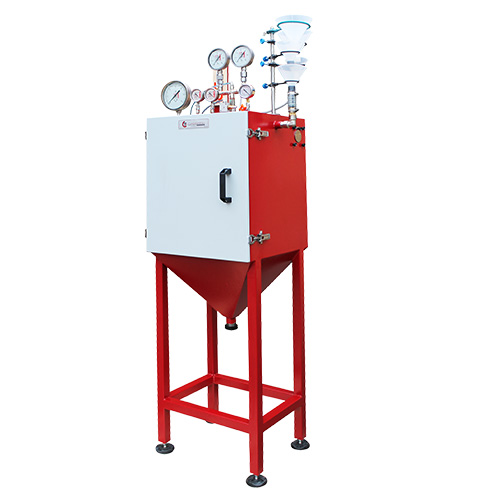
Autoclave GT-270
Autoclave for crazing test of glazed ceramic tiles. The pressurized container is all made by stainless steel AISI-304, suitably insulated, while the supporting frame is made by steel epoxy powder painted. Thanks to the programmable microprocessor, the autoclave can work with standardized cycles (according to UNI EN ISO 10545-11 standard) and cycles customized by the customer.
Abrasimeter Refractories
Laboratory instrument for the determination of the abrasion resistance of shaped refractory materials at ambient temperature (UNI EN 993-20) and also for unshaped refractory material (UNI EN 1402-6) Determination of the volume of material abraded from a flat surface of test-piece placed at a right angle to a nozzle through which 1000g of size-graded silicon carbide is blasted by air at 450 kPa. The GT1321 instrument is manufactured and calibrated to comply with UNI EN 993-20 and ASTM C 704-15.1.Other standards on request. The GT2510 instrument is manufactured and calibrated to perform the UNI EN 993-20 and ASTM C 704-15.1 Standard and high abrasion standard
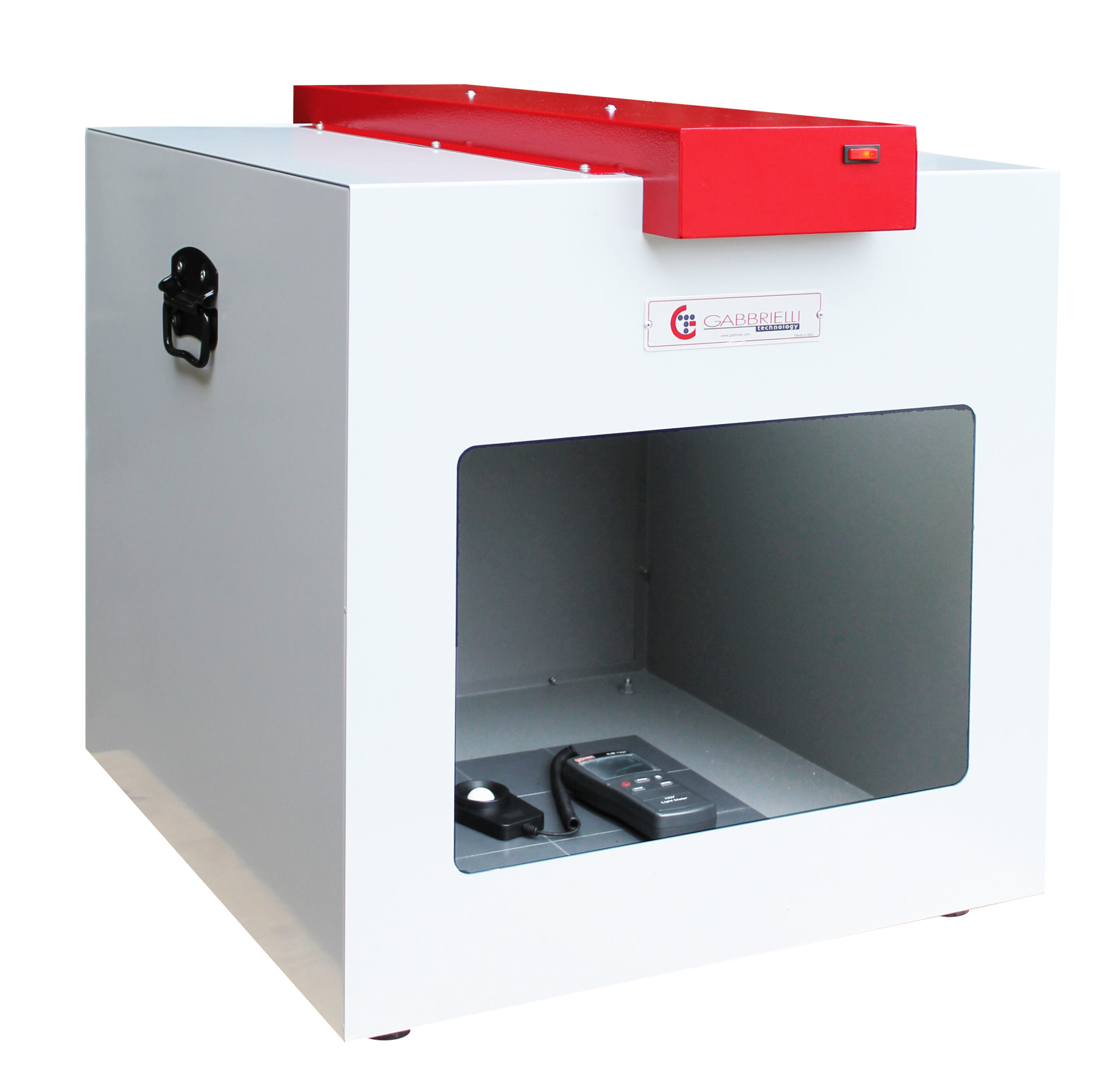
Box Isovision-Abralux Astm-Iso
The ISOVISION instrument is especially made to check the level of abrasion on glazed ceramic tiles. The inside of the instrument ispainted in “neutral grey” as requested to the standards. To do the test, place the ISOVISION instrument in a dark room, and put inside at center the abraded tile of 100×100 mm surrounded by 8 tiles with the same dimension but not abraded. Write on the marked face the r.p.m. corresponding to the abrasion made. Observing the tile specimen from a distance of 2 m and an high of 1,65 m it is possible to see the difference between the tile abrased and the other tiles not abraded. To ensure that the test is true, the consensus of at least three observers is required.
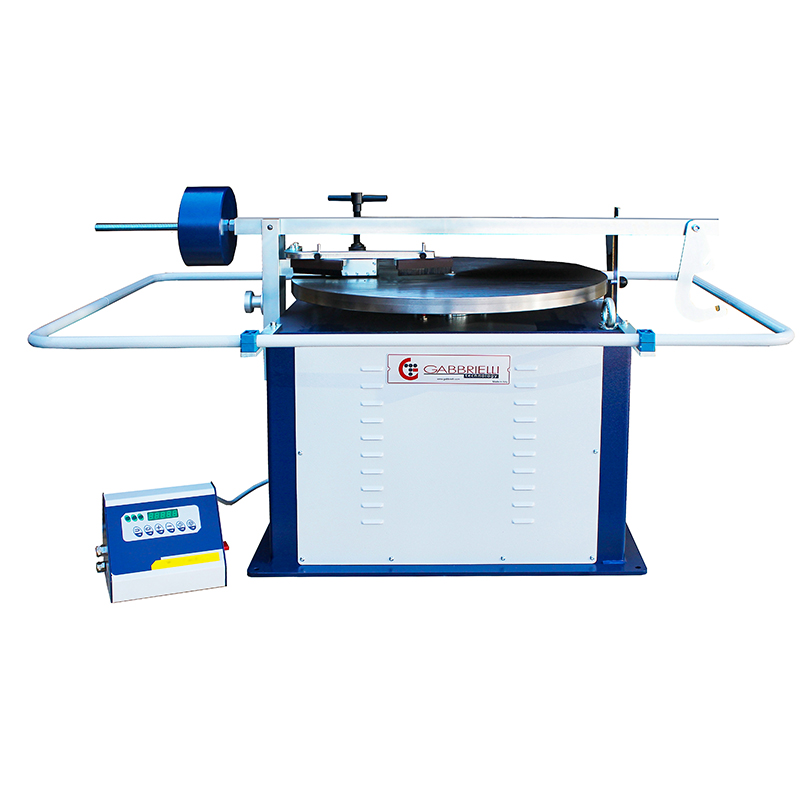
Abrasimeter Bohme
The instrument measures a volume loss in a specimen under abrasion test and it’s used in tests such as: paving stones,concrete slabs, slabs made of natural rocks, natural stone slabs
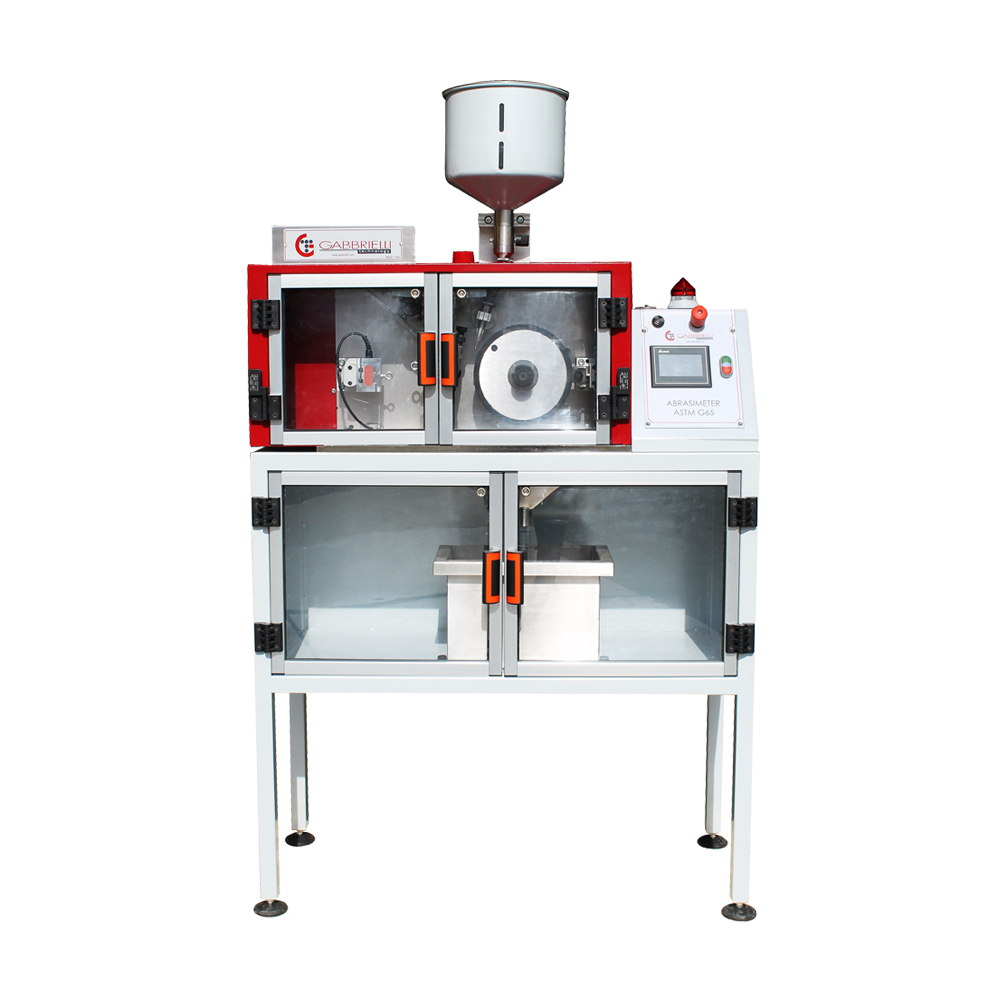
Abrasimeter ASTM G 65-16
Laboratory instrument for the determination of abrasion resistance on metal samples in accordance with ASTM G65-16
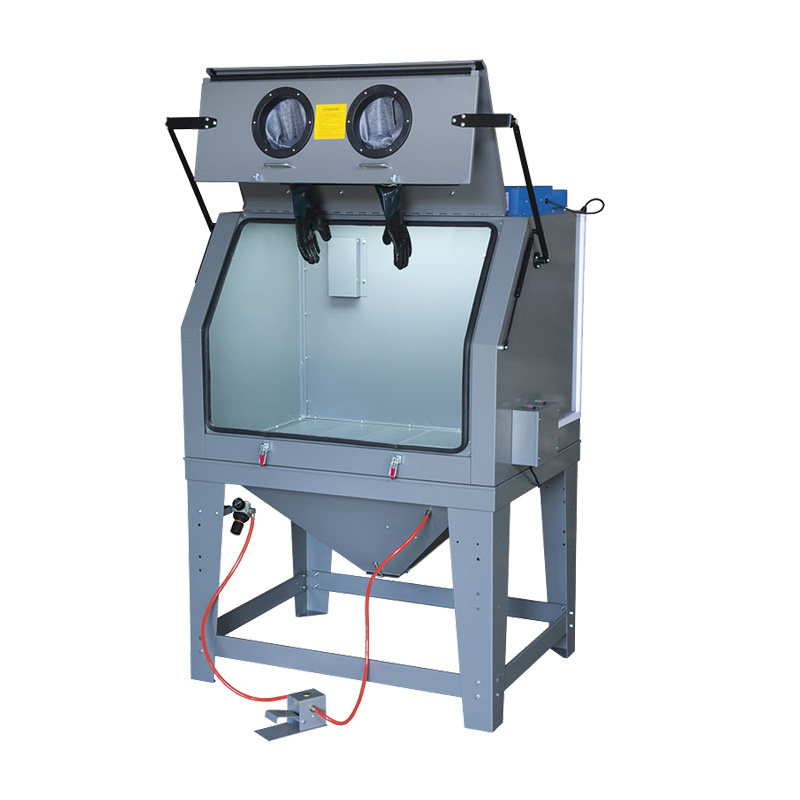
Abrasimeter ASTM C 418
Laboratory instrument suitable to verify the abrasion resistance of concrete samples by sandblasting them by subjecting them to the impact of silica sand pushed by the air. The test reproduce the action of water-based abrasives and abrasives under traffic and carries out a cutting action which tends to abrade the less resistant components of the concrete more severely. The adjustments to the pressure used and the type of abrasive allow for a variation in the severity of the abrasion which can be used to simulate other types of wear
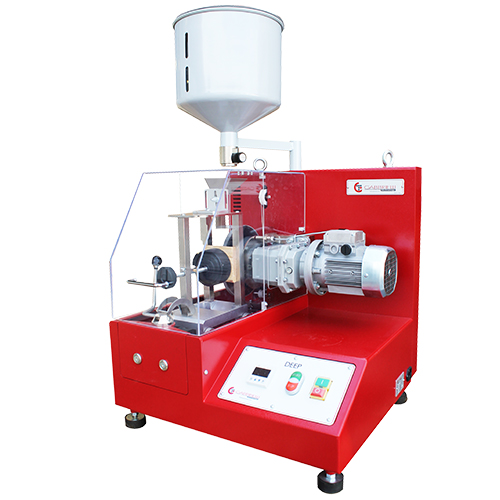
Abrasimeter Deep Unglazed
Laboratory instrument to determine the resistance to deep abrasion in the unglazed ceramic tiles obtained by means a steel disc Ø 200×10 mm and abrasive material – as corundum grain size F80 – that during the test falls between the disk and the specimen. – The instruments are calibrated according to the UNI EN ISO 10545-6 – Other calibration on demand