

ABO valve, s.r.o.
ABO valve is a leading European manufacturer and supplier of industrial valves, including butterfly, gate, ball, and check valves, catering to industries such as water and wastewater, chemical, pharmaceutical, energy, and food processing.
All Products(6)
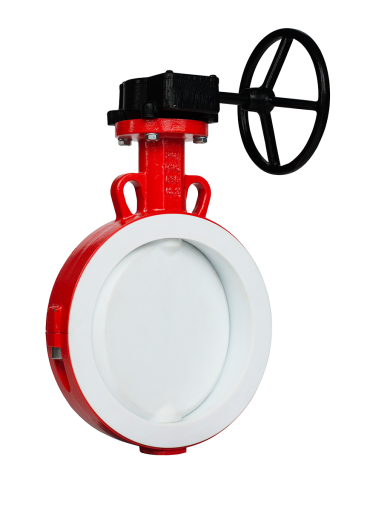
PTFE lined butterfly valves Series 500
ABO concentric butterfly valves of Series 500 with PTFE sealing are offered for demanding industries. PTFE seals for thermally demanding working environments. FDA certified.
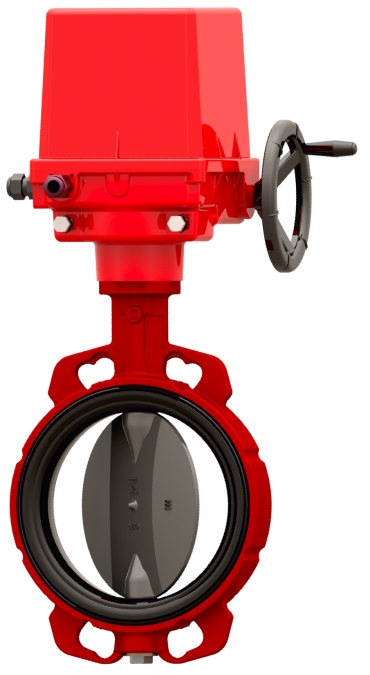
Resilient seated butterfly valves Series 900
ABO 900 series inter-flange soft-sealing centric industrial butterfly valves. Demountable with easy service.
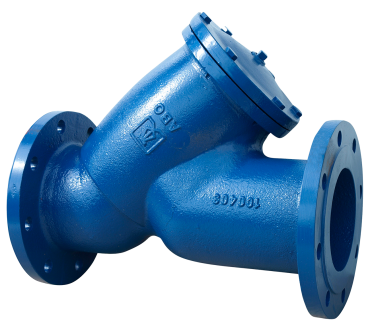
Y-strainers Series FRI-16
The Y-strainers is used to trap mechanical impurities contained in the medium being transported and ensures the proper functioning of valves or instruments. The working medium may be non-aggressive liquids.
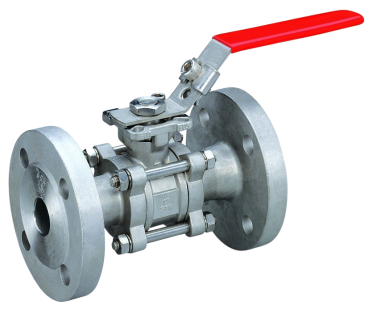
Ball valves Series Art. 94x
Ball valves are used as pressure equipment for liquids and gases of groups 1 and 2 to completely close/open the flow of media such as water, waste water, natural gas, oils and chemicals.
View Product
Double offset butterfly valves Series 2E3
Double flanged valves with double eccentricity Series 2E3 are suited for wide range of industrial applications, with easy repairs, maintenance, installation and assembly. These Series is not suitable for flow rate throttling. Disc´s shafts should be always installed in horizontal positions. WRAS certification, Splitted stem and Bidirectional sealing.
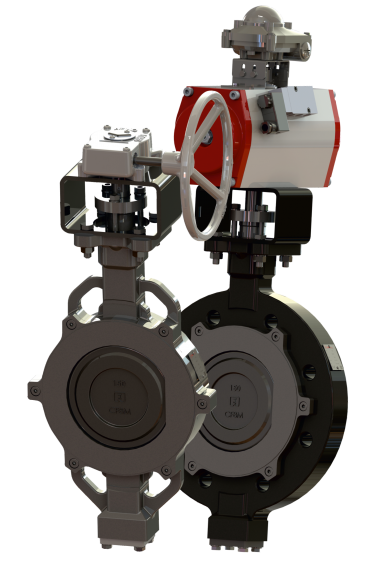
Double offset butterfly valves Series 2E
ABO's Series 2E double eccentricity butterfly valves are designed for operation in very harsh environments that require high safety, trouble-free operation and minimal maintenance. The double eccentricity design ensures safe operation and tightness even with sudden changes in temperature or pressure. The purpose of the second eccentricity is to quickly relieve the seal of compression between the closing disc and the valve seat, which extends seal life and reduces torques. As the flapper closes, the rotational motion of the disc changes to linear, effectively pushing the disc into the seal space. This design also prevents unwanted accumulation of e.g. suspended solids in contact between the disc and the sealing surfaces.