

COFEM, S.A.
A Spanish manufacturer specializing in fire detection and alarm systems, including conventional and algorithmic detection, CO and NO2 detection, and fire extinguishing systems.
All Products(23)
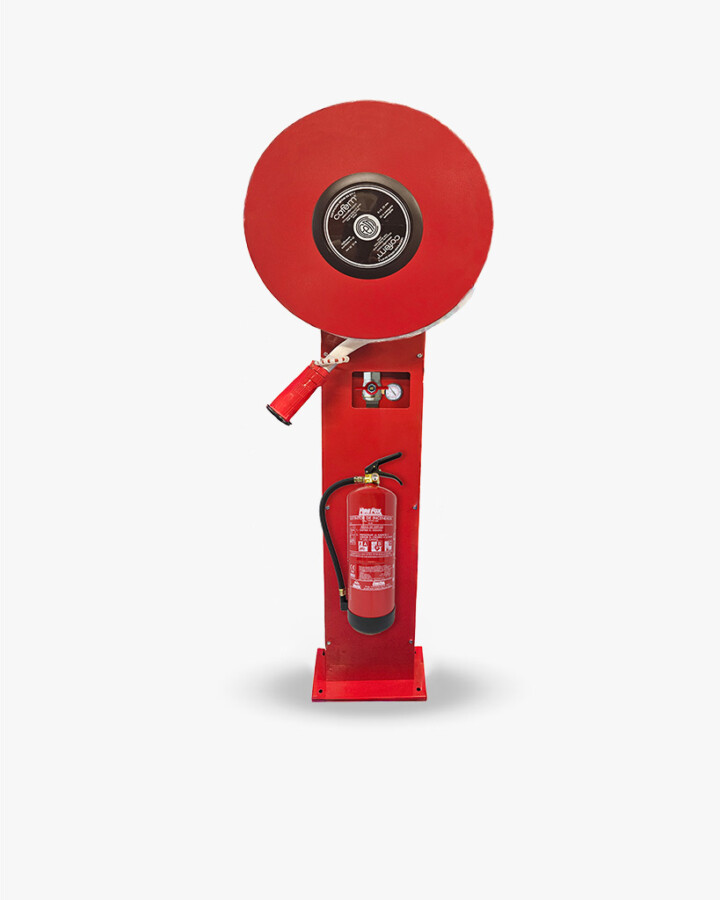
Foot for stand Ø25 SPB25
Fire hydrant Equipped with Ø25 mm according to UNE/EN 671-1 standard and 20 m of semi-rigid hose manufactured according to UNE 694. It is composed of: Support made of 1 mm thick steel sheet, painted in red color RAL 3000, measuring 460 x 1530 x 220 mm. Provided with BIE fixing bracket and fire extinguisher fixing bracket, supply inlet, hose, lance, ball valve, pressure gauge and supply hose. The B.I.E. can be manufactured in another color, having the RAL provided by the customer.
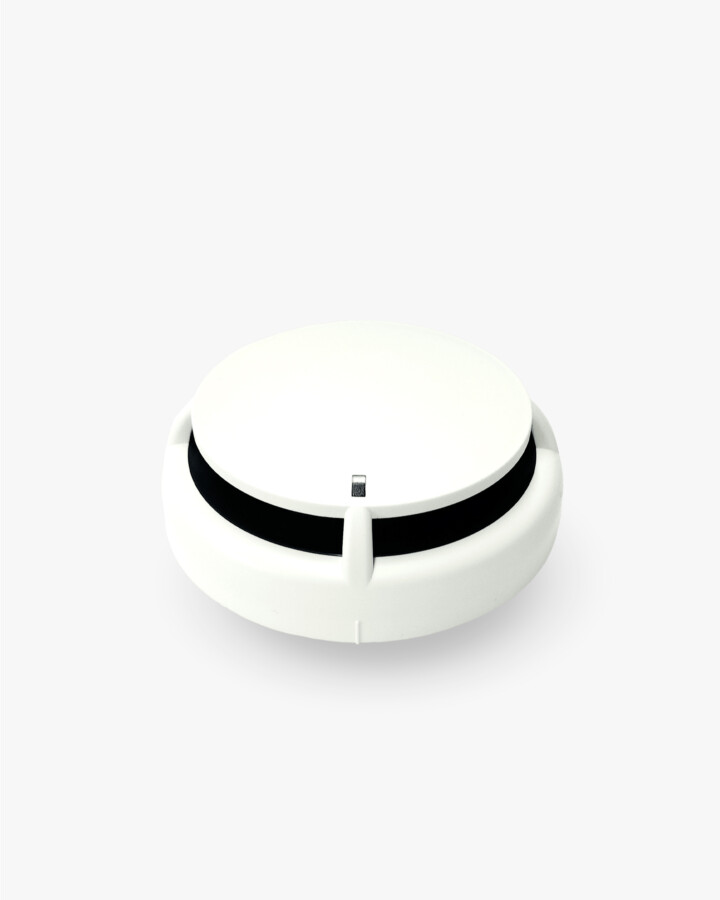
Thermal Detector C50T
The C50 range of detectors is based on a new refined aesthetic that integrates inside the latest electronic technology with new more efficient detection algorithms and a three-dimensional design that makes it more robust to environmental dirt. The C50 range allows multiple combinations between optical and thermal detection. The C50T model is a detector with a thermal sensor. The C50T model is set to trigger at static ambient temperatures of 60ºC.
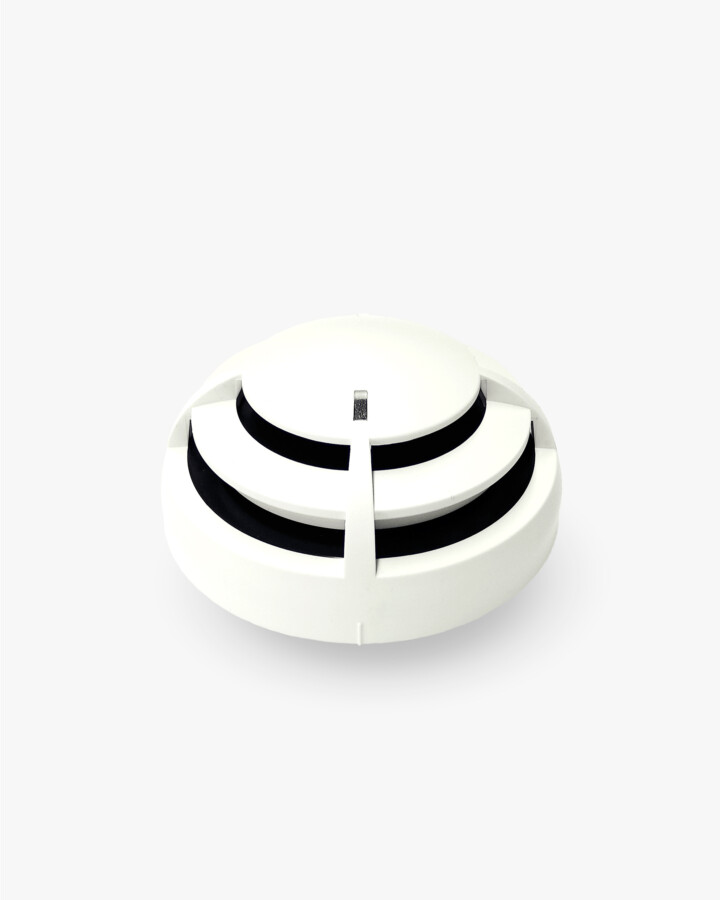
Optical thermal detector C50SH
Conventional optical-thermal detector The C50 range of detectors is based on a new refined aesthetic that integrates the latest electronic technology with new, more efficient detection algorithms and a three-dimensional design that makes it more robust to environmental dirt. The C50 range allows multiple combinations between optical and thermal detection. The model C50SH is a detector with two different types of sensors: An optical smoke sensor and a thermal sensor. The optical sensor is specially designed to detect the presence of combustion aerosols in a three-dimensional design that makes it more robust to dirt. For its part, the thermal sensor allows the thermovelocimetric response of the detector to be activated at a static temperature of 60ºC in the case of slow fire development.
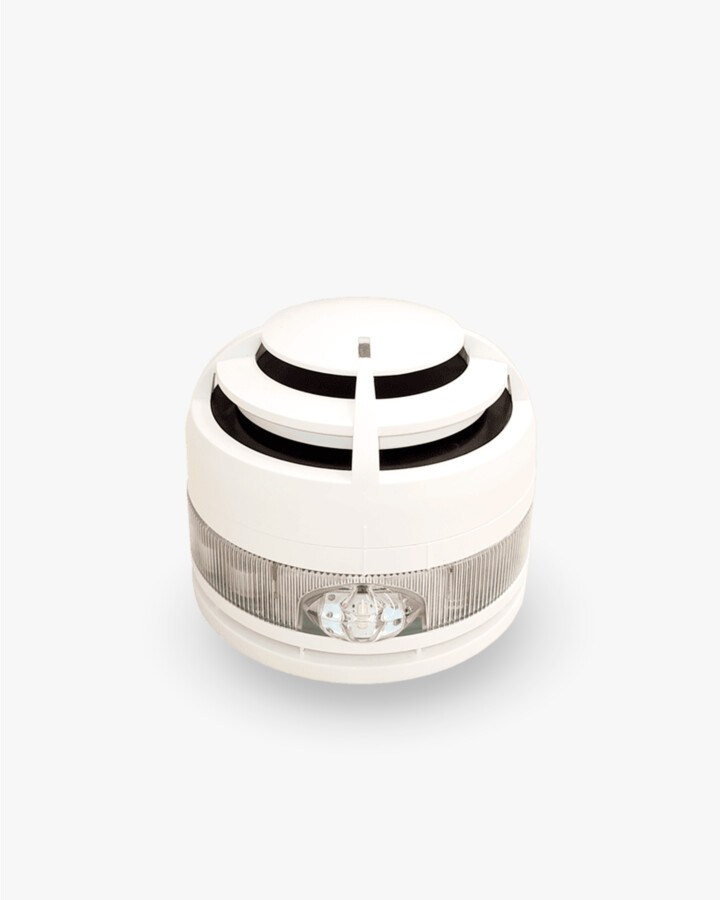
Base with alarm C50ZSL
Socket for conventional C50 detectors with EN 54-23 certified base with visual alarm and EN 54-3 sound. There are 2 models available: C50ZSL: D50 socket with sound and light base, addressable. C50ZSD: D50 socket with sound base, addressable. Typical uses for the C50ZSL and C50ZSD are spaces or rooms that require an integrated fire detector with siren and visual alarm such as hotel rooms. The coverage of the set should not exceed the coverage of the fire detector with which it is installed, unless justified by the reason or use.
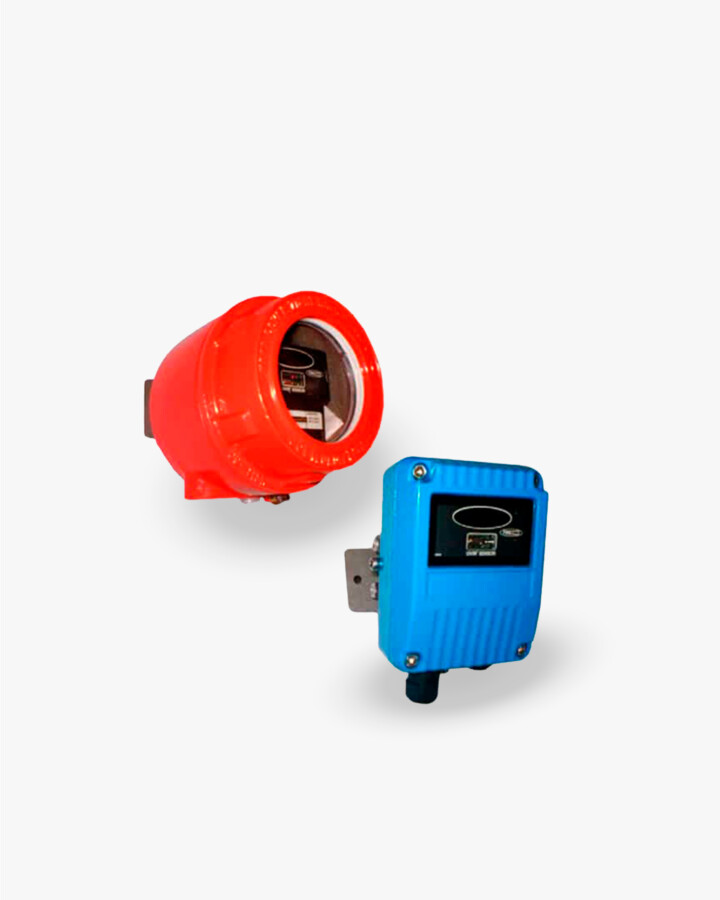
Flame detector FDINA40 - FDAAT60
Flame detector to protect areas with open fires. The detector is designed to respond to the flicker frequency and wavelength characteristics of flames. There are three types of detectors depending on the sensors used to focus on specific wavelengths typical of flames and generate algorithms to discriminate such flames from other light sources.
View Product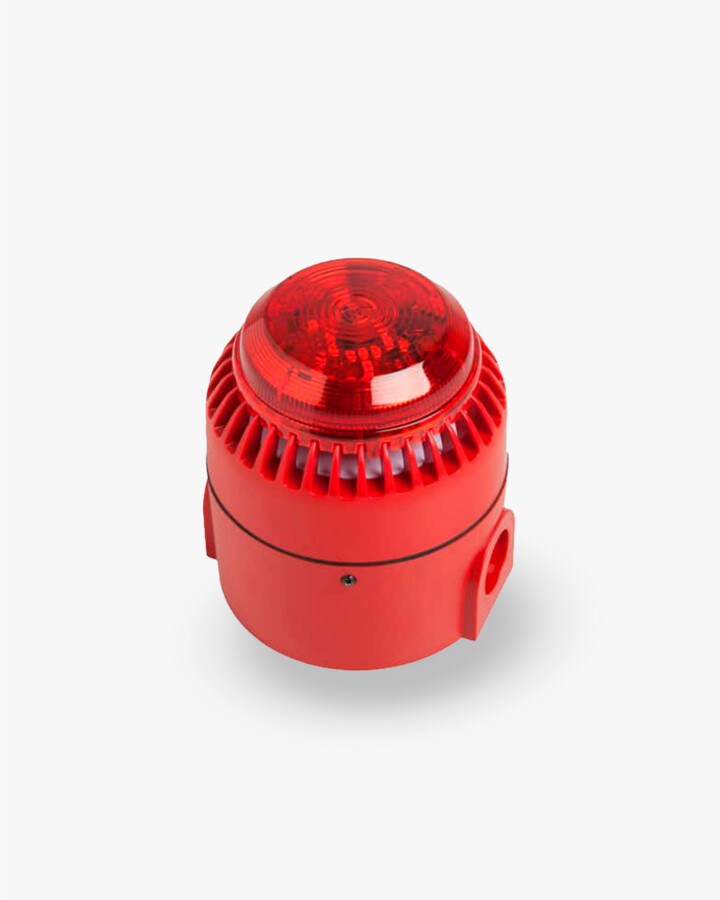
Binary alarm siren with light SIR24BL
Indoor and outdoor siren to be connected directly to the siren output of the control panels or relay modules. Indoor and outdoor siren made of red ABS. High sound volume with low power consumption, EN54-3 certified. 32 selectable tones. Volume control. Automatic synchronization. SIR24B: Siren. SIR24BL: Optical acoustic siren with high socket. SIR24BLZO: Acoustic optical siren with low base. SIR24BZA: Siren with high base. BSLC: Base with light, EN54-23 certified.
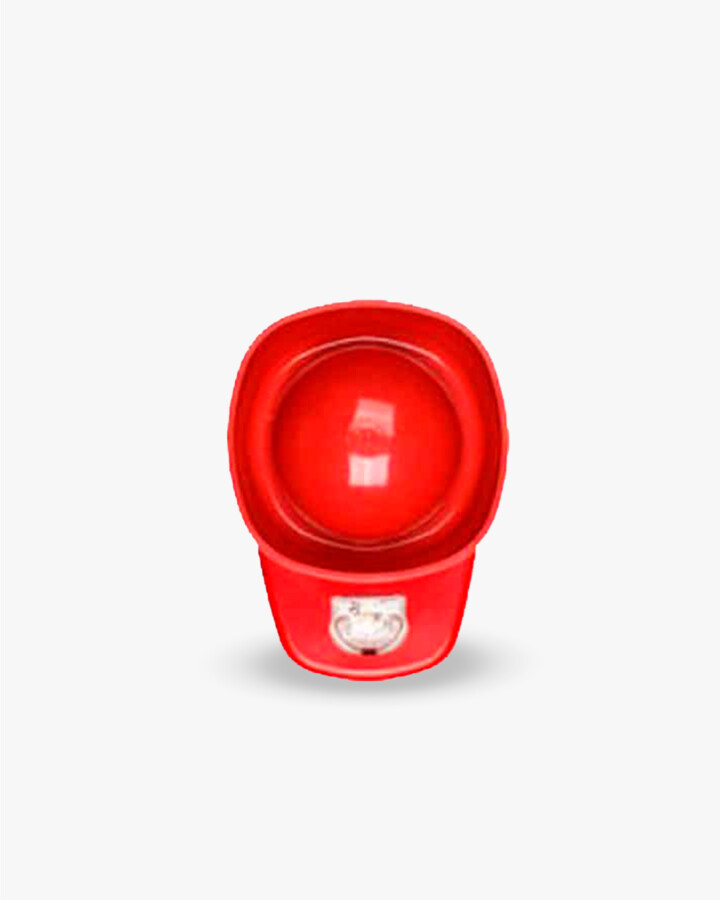
Voice alarm device SIR24SC - SIR24SLC
Voice alarm device: Device that activates a voice message interspersed with a fire alarm sound. The message is selectable from its internal list. They have a built-in diode.
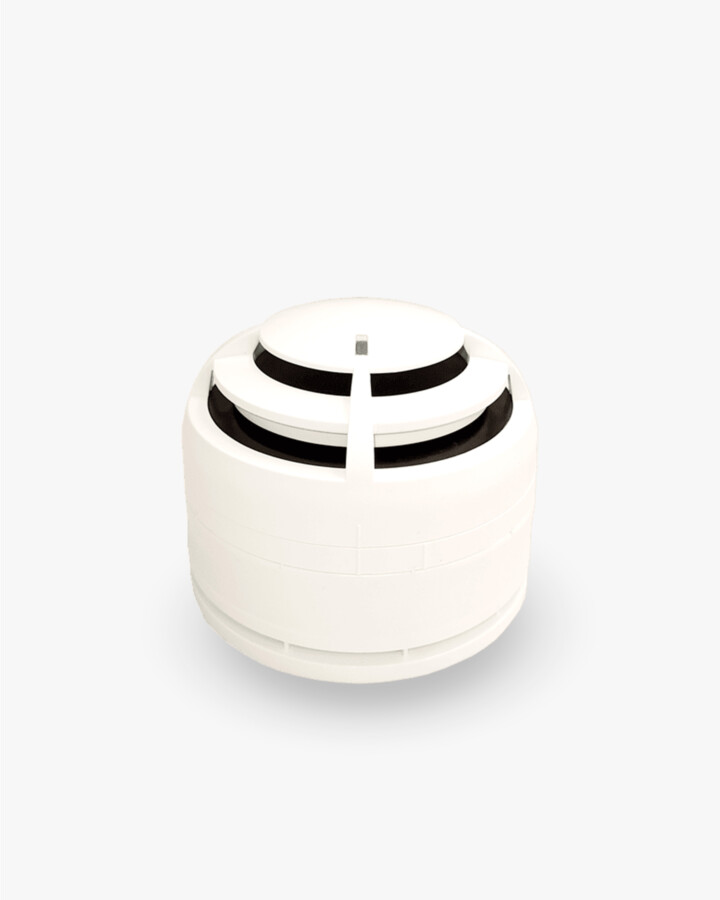
Addressable alarm base A50ZSDDR
Socket for A50 addressable algorithmic detectors with EN 54-23 certified visual alarm base and EN 54-3 sounder powered directly from the loop. Two models are available: A50ZSLDR: D50 socket with base with sound and light, addressable. A50ZSDDR: D50 socket with sound base, addressable. This device requires an algorithmic-addressable detector “with SIRDR functionality” (standard detectors do not have this functionality) that will allow it to operate as a relay associated with this detector. Typical uses for the A50ZSLDR and A50ZSDDR are spaces or rooms that require integrated fire detection equipment with siren and visual alarm such as hotel rooms. The coverage of the assembly should not exceed the coverage of the fire detector with which it is installed, unless there is a reason or use that justifies it.
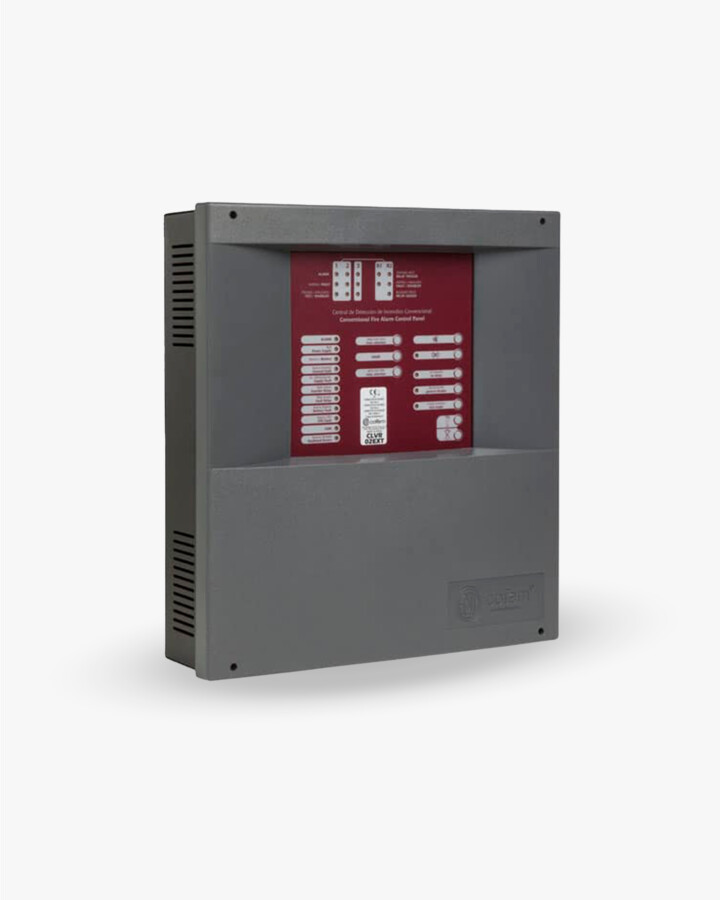
Fire extinguishing system CLVR02EXT
Conventional automatic fire detection and alarm system with extinguishing functionality. CLVR 02EXT: Control panel with 2 zones with Extinction functionality. The control panel also incorporates a third zone that can be configured as a conventional zone independent of the extinguishing zone in order to be able to protect a small area close to the flooding/extinguishing area against fire, or to allow the supervision of an external fire protection system indicating a fault, such as a pressure switch contact. The characteristics of CLVR plants are common to all models.
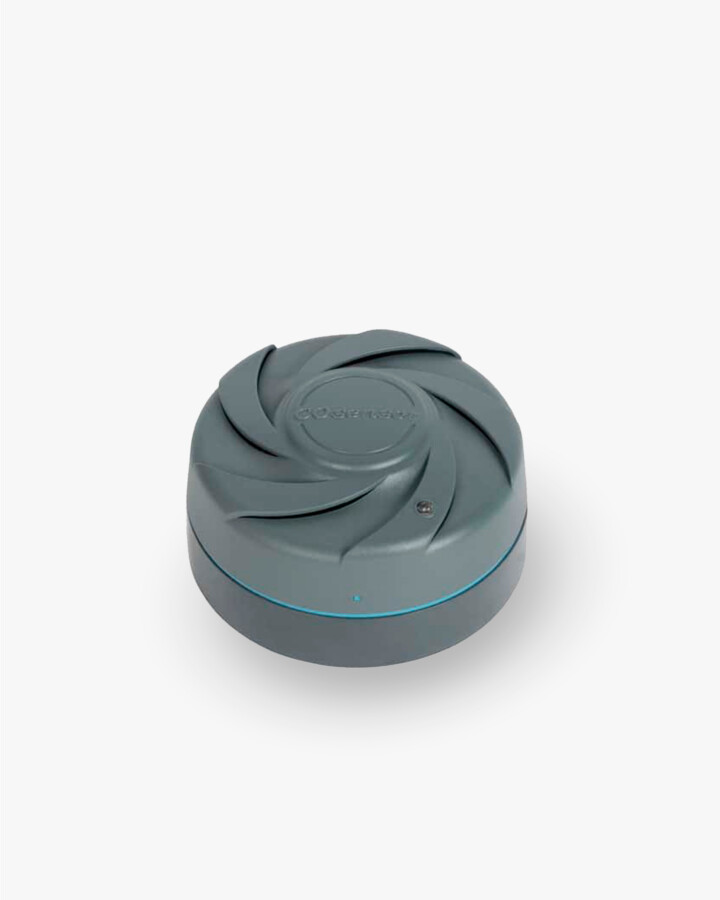
Nitrogen dioxide (NO2) diffusion sensor for COsensor system
NO2 SDN sensor designed according to the European standard EN 50545-1 and certified UNE 23300. The sensor is designed to work with all models of COsensor plants, both conventional (CCO and MiniCO models) and addressable (ZafirCO). In this sense, the sensor, when the control panel is turned on, recognizes the model and adapts its communication to the one required by it. The sensor is based on electrochemical technology that allows it to respond appropriately to NO2 concentrations in the environment and send this information to the control panel. In this way, the control panel will act appropriately by activating the necessary ventilations and alarms. The sensor also contains a red LED that in normal operation flashes every 10 seconds approximately. Connected to conventional power plants, the NO2 measurement is transformed into an equivalent reading in ppm of CO. In this way, CO and NO2 detectors can be installed on the same detection line. The relationship between NO2 reading and CO indication is linear, computing 100 ppm of CO for every 2.5 ppm of NO2. The SDN detector double-flashes at 50 ppm CO equivalent and is fixed at 200 ppm CO equivalent. Connected to addressable control panels, the flashing is double when the concentration read by the sensor is equal to or higher than the ventilation level programmed in the zone, and fixed when the reading is equal to or higher than the alarm level also programmed in the zone. NO2 sensors should be distributed throughout the enclosure in accordance with installation standards/regulations. A recommended coverage for these devices can be between 200 and 300 m2, placing them at a height of between 1.5 and 2 m from the ground. The philosophy and mode of operation of the equipment is based on a design according to EN 50545-1, using diffusion sensors with factory calibration to operate during its entire operating life, and certified UNE 23300.
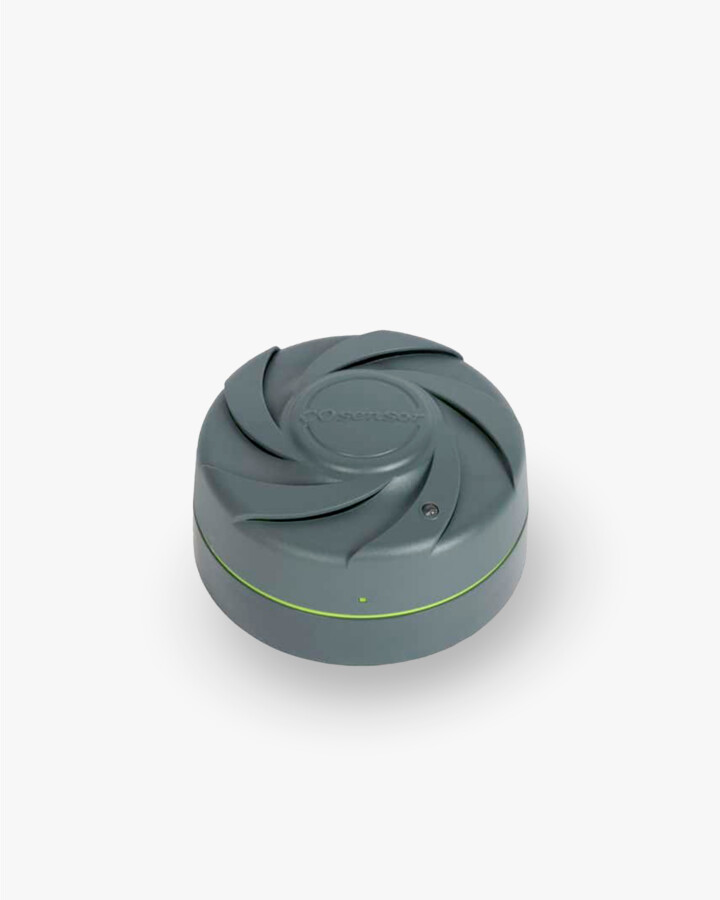
Carbon monoxide (CO) diffusion sensor for COsensor system
CO SCO sensor, designed according to the European standard EN 50545-1 and certified UNE 23300. The sensor is designed to work with all models of COsensor plants, both conventional (CCO and MiniCO models) and addressable (ZafirCO). In this sense, the sensor, when the control panel is turned on, recognizes the model and adapts its communication to the one required by it. The detector sensor is based on electrochemical technology that allows it to respond appropriately to CO concentrations in the environment and send this information to the control panel. In this way, the control panel will act appropriately by activating the necessary ventilations and alarms. The sensor also contains a red LED that in normal operation flashes every 10 seconds approximately. Connected to conventional power plants, the flashing is double to indicate that a concentration of 50 ppm of CO has been reached, and remains fixed when the concentration reaches 200 ppm of carbon monoxide (CO). Connected to addressable control panels, the flashing is double when the concentration read by the sensor is equal to or higher than the ventilation level programmed in the zone, and fixed when the reading is equal to or higher than the alarm level also programmed in the zone. CO sensors should be distributed throughout the enclosure in accordance with installation standards/regulations. A recommended coverage for these devices can be between 200 and 300 m2, placing them at a height of between 1.5 and 2 m from the ground. In addressable plants with the maintenance mode activated, the operation of the sensors can be easily checked by observing how their LED flashes when confronted with the test gas. The philosophy and mode of operation of the equipment is based on a design according to EN 50545-1, using diffusion sensors with factory calibration to operate during its entire operating life, and certified UNE 23300.
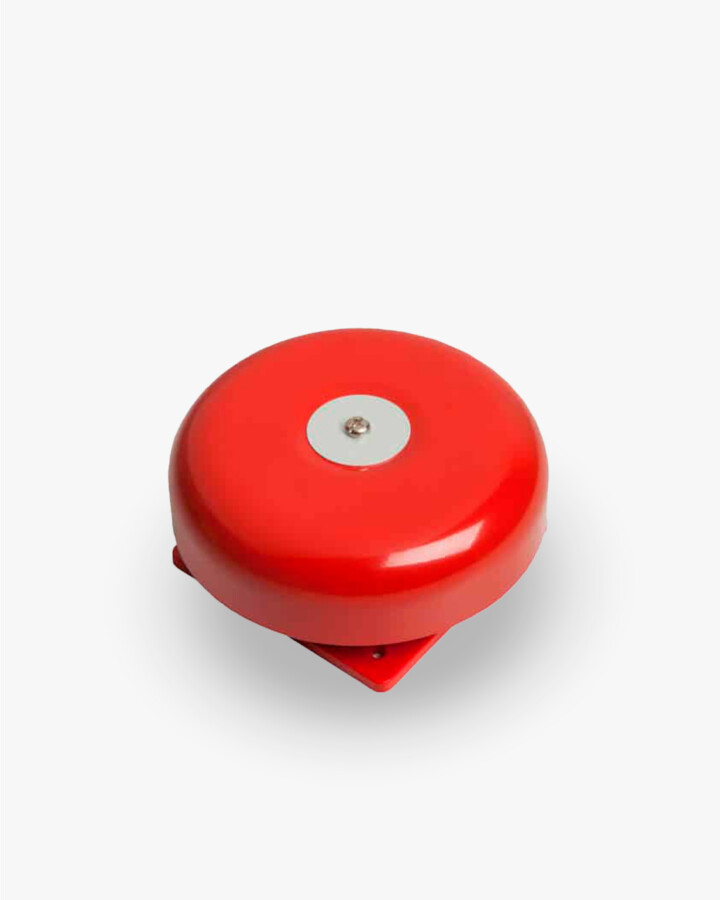
Alarm bell CA6
6-inch interior alarm bell. Features 6″ interior alarm bell. Operating voltage 24 Vdc Consumption: 25 mA Output volume: 95dBA at 1 meter, 92dBA at 1 meter (EN 54-3) Operating temperature: -20ºC to 60ºC Max. humidity: 90% RH Dimensions: 6″ (150 mm x 56 mm) Weight: 850 g Protection: IP21
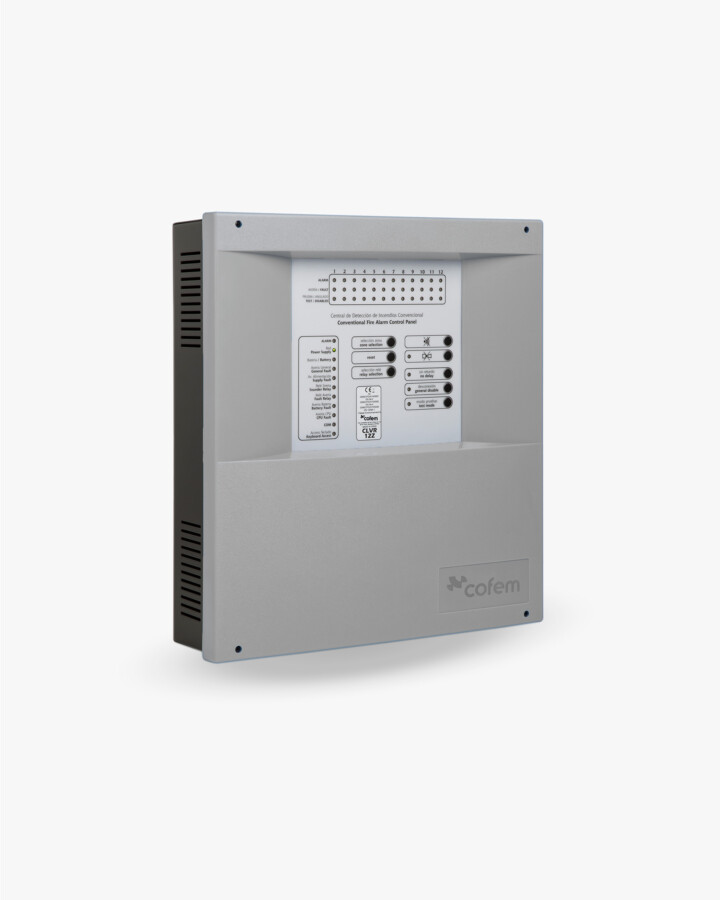
Conventional power plant CLVR
Conventional automatic fire detection and alarm system. This fire control panel includes different models in order to adapt in the most precise way to the needs of each installation: CLVR 08Z: CLVR 08 Zones Central Station CLVR 12Z: 12-Zone CLVR Control Panel The characteristics of the CLVR fire fighting stations are common to all models.
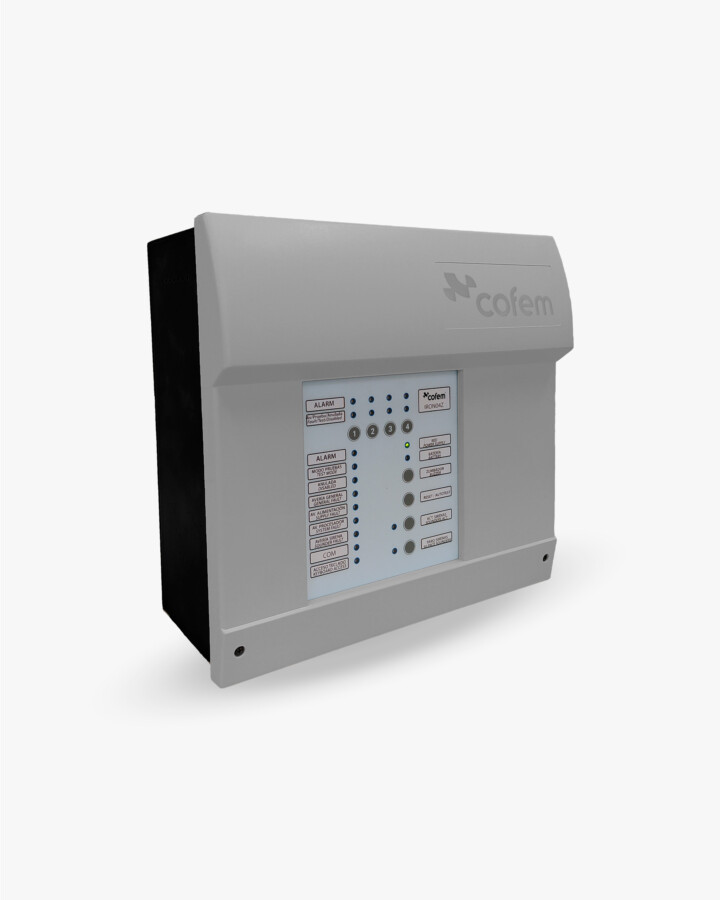
Iron conventional power plant
Conventional automatic fire detection and alarm system. This plant contemplates different models to adapt in the most precise way to the needs of each installation: IRON02: IRON control panel with 2 detection zones IRON04: IRON control panel with 4 detection zones
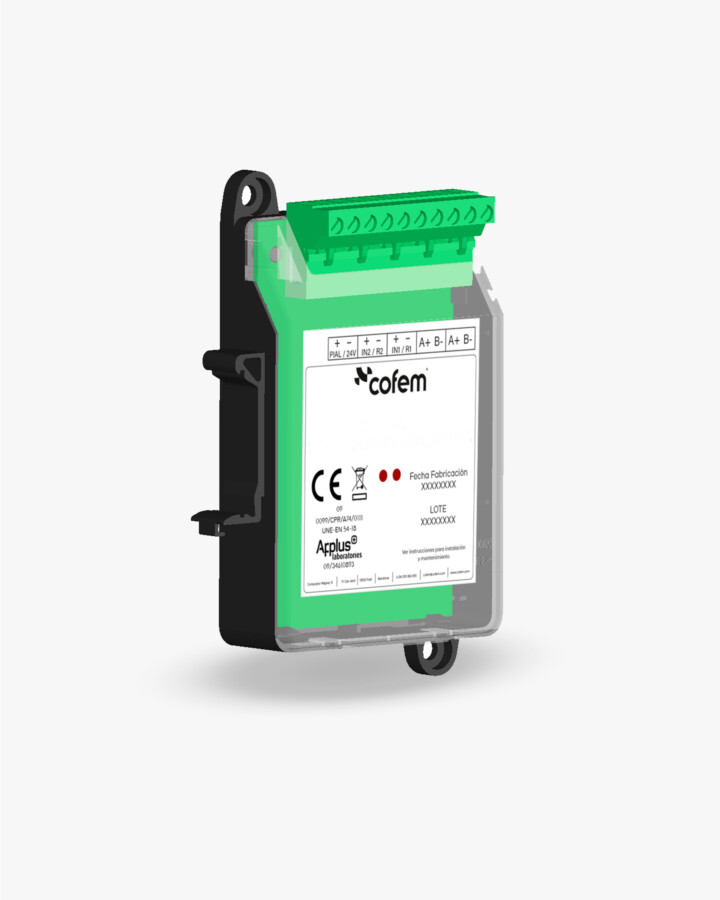
KMAY Master Module, centralized and reliable control.
Cofem’s KMAY Master Module is a microprocessed, addressable device designed to be integrated as an essential component of the loop. With short-circuit isolator, it guarantees the stability and reliability of the system by ensuring continuous communication between the different elements. It is easy to install and provides centralized and efficient control, extending the capabilities of the detection system and improving its overall performance.
1 Relay Module MDA1Y, compact and efficient control.
Cofem’s MDA1Y Module is a microprocessed, addressable device that is easily integrated into the detection system loop. This module allows a relay to be controlled accurately and reliably, expanding the functionality of the system by providing an immediate response to various situations. With a short-circuit isolator, it ensures communication stability and continuity of system operation, providing a simple and efficient solution for external device control.
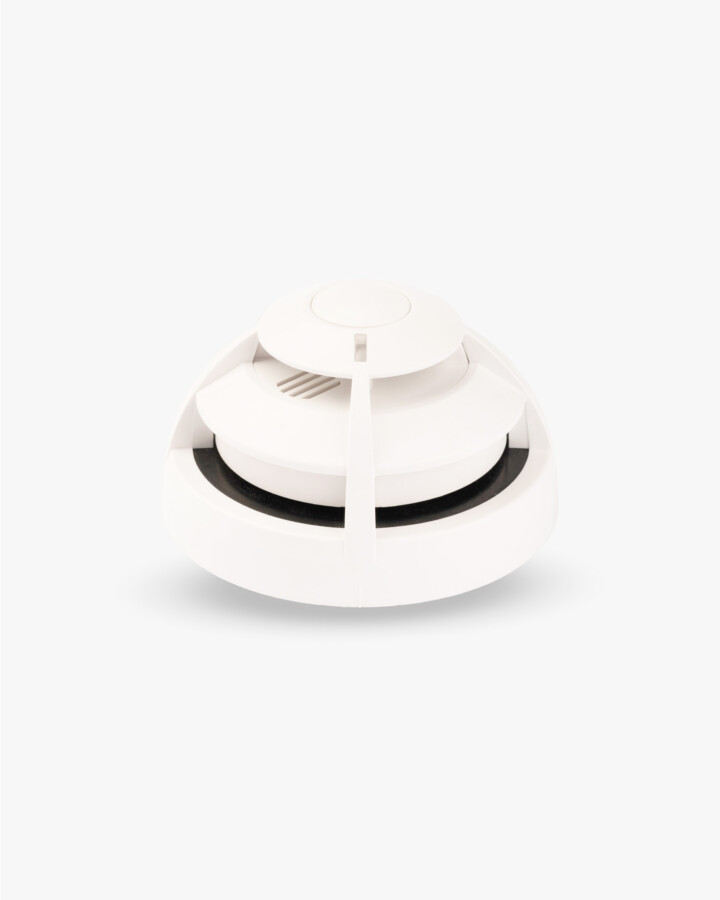
Fire sensor A50xxD
A50 family fire sensor with additional functionality of visual alarm device (Light) and fire siren (sounD) integrated in a single device. Within the A50 range, multiple combinations of optical, thermal, optical-thermal and UL-certified short-circuit detection are allowed. To these functionalities can be added the visual alarm device functionality (A50xxL) based on EN 54-23, the fire siren functionality (A50xxD) based on EN 54-3, or both (A50xxLD). The different models are: A50SHILD: A50SHI with light and sound A50SILD: A50SI with light and sound A50HILD: A50HI with light and sound A50SHID: A50SHI with sound A50SID: A50SI with sound A50HID: A50HI with sound A50SHIL: A0SHI with light A50SIL: A50SI with light A50HIL: A50HI with light
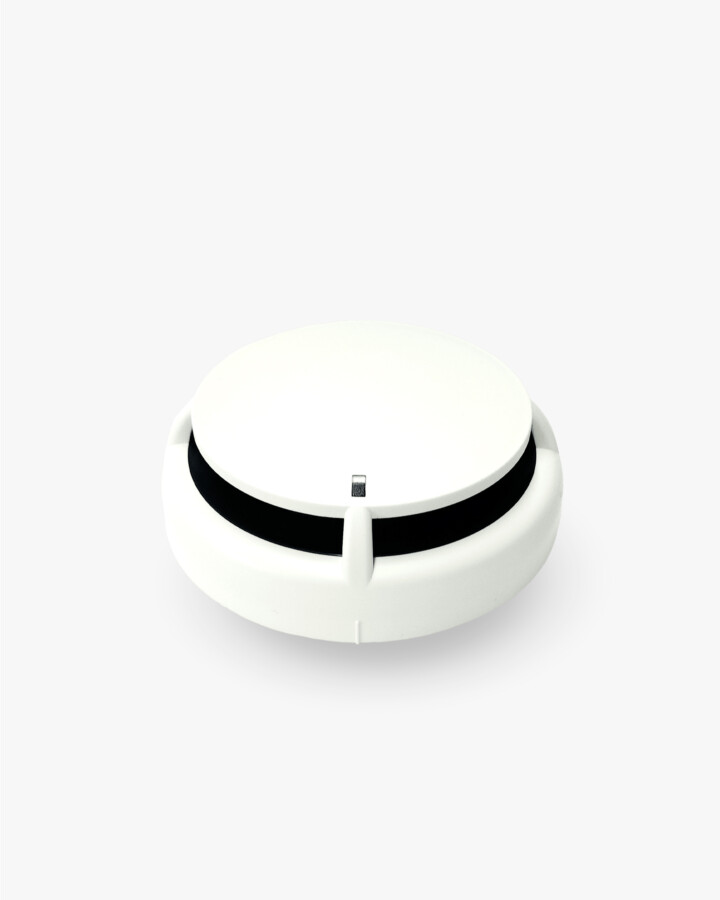
Thermal detector with isolator A50HI, thermal accuracy with integrated protection
The A50HI is a Cofem algorithmic-addressable thermal detector that incorporates a thermovelocimetric sensor and a short-circuit isolator, making it a doubly effective element in any fire detection system. Designed to respond reliably to temperature rises, its sensor is activated at a fixed temperature of 60°C when slow thermal rises are detected, providing sensitive protection adapted to different risk scenarios. As part of the A50 range, this detector combines modern aesthetics with a three-dimensional architecture resistant to environmental dirt. Inside, it integrates the latest electronic technology together with new algorithms that optimize thermal detection efficiency. Its ability to operate within addressable systems and its compatibility with other A50 models – such as optical detectors, CO sensors and UL listed units – make the A50HI a robust, safe and scalable solution, especially suitable for installations requiring advanced thermal detection with short-circuit protection.
Thermal Detector A50H, intelligent response to heat
Cofem’s A50H is an algorithmic-addressable thermal detector designed to provide an accurate and reliable response to temperature rises in fire-risk environments. Equipped with an advanced thermal sensor, this model combines thermovelocimetric detection with an activation threshold at 60 °C in situations of progressive thermal rise, allowing it to adapt to both fast fires and slower developments. This detector is part of the A50 range, which integrates a new refined aesthetic and a three-dimensional architecture optimized for greater resistance to environmental dirt. Its interior incorporates the latest electronic technology and new algorithms that significantly improve detection efficiency and reduce false alarms. Designed for easy integration into algorithmic-addressable systems, the A50H can be combined with UL-certified optical, carbon monoxide and short-circuit isolators. Its reliable performance, robust design and adaptability make it an ideal solution for installations requiring effective and durable thermal control.
A50SI detector, optical intelligence with integrated protection
Cofem’s A50SI raises the standard in fire detection with a precise combination of sensitivity, reliability and intelligent design. This optical algorithmic-addressable detector incorporates a short-circuit isolator that makes it a key part of any modern detection system, maintaining loop integrity even under adverse conditions. Its state-of-the-art optical sensor has been optimized to quickly and accurately identify the presence of combustion-derived aerosols, using a three-dimensional design that not only improves detection efficiency, but also enhances its resistance to environmental contamination. This internal architecture makes it possible to maintain stable performance even in environments where dust or airborne particles may compromise the operation of other devices. The A50 range, to which this model belongs, represents the technological evolution in fire protection: a system that combines refined aesthetics with advanced algorithms, and allows multiple combinations between optical, thermal and carbon monoxide sensors, all UL certified.
A50S detector: optical sensitivity with robust design
Cofem’s A50S detector brings together state-of-the-art technology and an optimized internal architecture to provide effective and reliable smoke detection. Equipped with a state-of-the-art optical sensor, this device is specially designed to identify the presence of combustion-derived aerosols with high accuracy, even in environments with moderate levels of environmental fouling. The three-dimensional design of the sensor not only improves the efficiency of air analysis, but also enhances its resistance to airborne particles and dust, ensuring stable and continuous operation. This innovation is part of the new A50 range, which integrates refined aesthetics with the latest detection algorithms, while offering the flexibility to be combined with thermal, carbon monoxide and short-circuit isolators, all of which are UL certified. Designed to integrate seamlessly into algorithmic-addressable systems, the A50S offers a modern, effective and durable detection solution, designed to adapt to different installation configurations and maintain active security at all times.
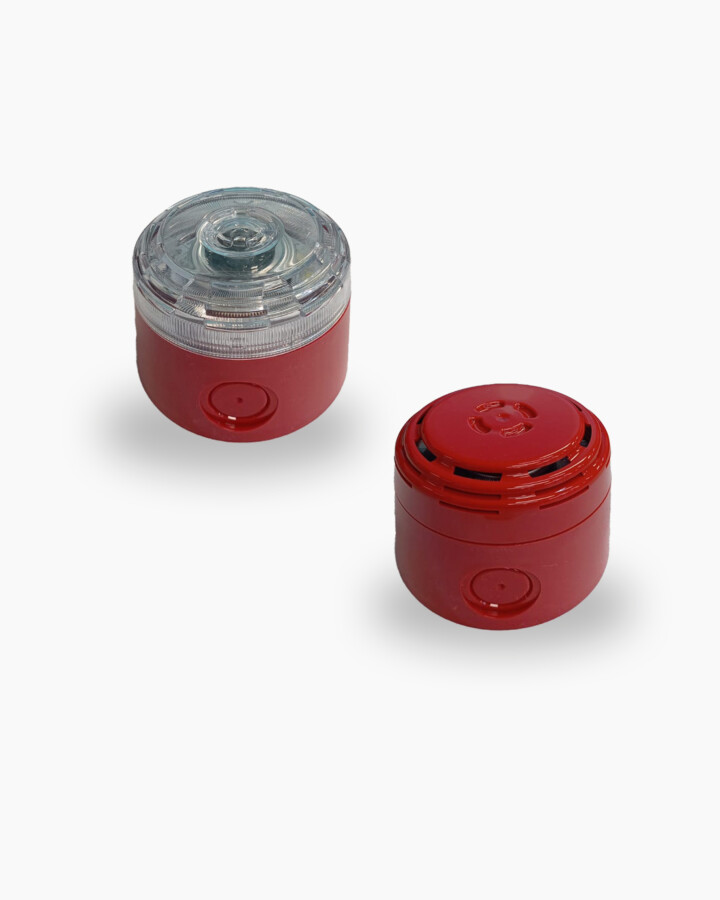
SIRENC / SIRENCL alarm sounders
Indoor sounders for direct connection to the sounder output of control panels or relay modules. Supply: 12-30Vdc Consumption: SIRENC: 25-35MA – 24Vdc SIRENCL: 45-65mA – 24Vdc – W2,4-1,2/W3,2-6,8 Dimensions: Ø92x78mm Protection: IP65
SIREND / SIRENDL sounders
Certified addressable sounder and visual alarm device. The SIREND sounder is an acoustic fire alarm notification device for buildings with EN 54-3, EN 54-17 certification and CE marking. The SIRENDL sounder is an acoustic and visual fire alarm notification device for buildings with EN 54-3, EN 54-23, EN 54-17 certification and CE marking. These sounders have a microprocessed addressable digital module (with short-circuit isolator) SIRAYC inside, which allows them to connect to the loop. The unit operates as a single relay, identifying itself and acting in the control panel as a SIRAY. The sounder is made of heat-resistant red ABS. The standard configuration of the sounder sound is shown in the following figure in accordance with standard EN 54-3 (acoustic device). The same figure shows the standard configuration of the light signal in accordance with standard EN 54-23 (visual alarm device). It is possible to change the selection of the tone and the light signal, but this operation affects the power consumption of the siren, and therefore the power consumption of the device. It is possible to change the tone and light signal selection, but this operation affects the sounder’s power consumption and, therefore, the device’s point consumption. Power consumption can be calculated using the loop element capacity calculation software. The internal wiring and positions of other microswitchs must not be modified from those selected by the manufacturer in these instructions.